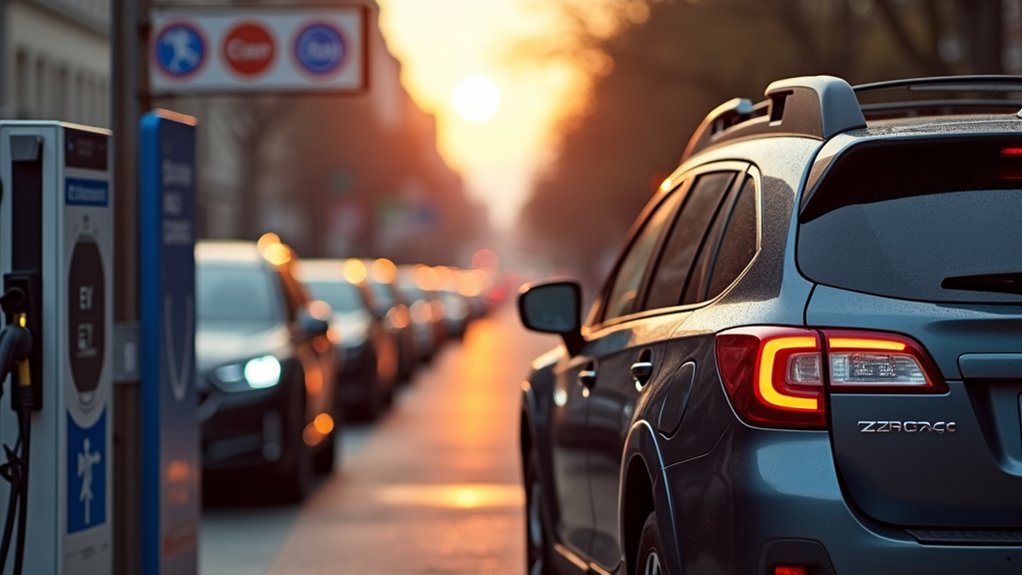
The Subaru Outback, a stalwart in American driveways, finds itself struggling to gain traction across European markets. Sales figures paint a stark picture, with a mere 935 units sold in the UK and 19,966 across Europe in 2020, compared to over 611,000 deliveries in America during the same period. This 39.6% decline in European sales categorizes Subaru firmly as a niche manufacturer in the region.
The primary culprit behind the Outback’s European struggles is remarkably straightforward: powertrain limitations. European Outbacks come exclusively with a naturally aspirated 2.5L petrol engine, lacking diesel or substantive hybrid options. While U.S. customers enjoy the powerful Outback XT model with a 2.4-liter turbocharged engine, European buyers have no such option. This configuration stands in direct opposition to European consumer preferences, where smaller, more efficient turbocharged engines dominate the market landscape. The absence of electrified variants particularly hampers the model’s appeal.
Subaru’s rigid powertrain strategy collides head-on with European preferences for efficient, turbocharged alternatives and electrified options.
EU emissions regulations further compound these challenges. While competitors like Toyota offer robust hybrid lineups tailored to increasingly stringent CO2 targets, Subaru’s offerings remain misaligned with European environmental policies. The brand’s engine strategy, successful in North America, simply doesn’t translate to markets prioritizing efficiency and emissions performance.
Brand awareness presents another significant hurdle. Subaru operates with minimal marketing presence across most European countries, remaining invisible to mainstream car buyers. This invisibility extends to physical presence; the sparse dealer network often requires customers to travel considerable distances for sales and service, creating practical barriers to ownership.
Market dynamics reveal the Outback’s competitive disadvantage against crossover rivals offering superior economy, emissions profiles, and technology packages. European consumers typically value these attributes above the rugged all-wheel-drive capability that defines Subaru’s reputation in other markets.
Industry analysts note this isn’t merely an Outback-specific issue but reflects broader challenges facing Subaru in Europe. The continued decline in sales raises questions about the brand’s long-term viability in the region without significant powertrain diversification. Unlike some manufacturers who exited the market entirely, Subaru maintains its presence through its dedicated import business despite these challenges.
Until Subaru addresses these fundamental misalignments with European market requirements, the Outback will likely remain an outlier rather than a contender.