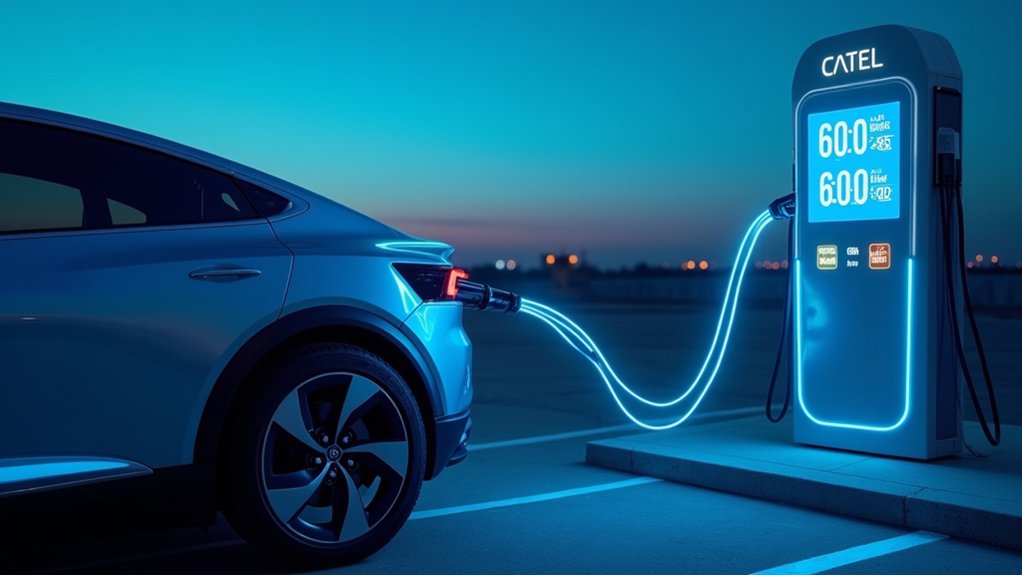
While electric vehicles have steadily gained market share over the past decade, charging time has remained a significant barrier to widespread adoption. Now, Chinese battery giant CATL is changing that equation with its Shenxing Gen 2 battery technology, capable of adding an astonishing 520 kilometers of range in just five minutes of charging.
This breakthrough represents a quantum leap beyond Tesla’s current Supercharger network, which delivers 275 kilometers in 15 minutes. The performance gap is stark—CATL’s solution provides nearly twice the range in one-third the time. Such charging speeds approach the convenience of traditional gasoline refueling, potentially eliminating a key hesitation point for prospective EV buyers.
Not to be outdone, BYD has introduced its own flash-charging technology in the Super e-Platform, demonstrating 400 kilometers of added range in five minutes. Their system, incorporating advanced silicon carbide power chips, supports charging speeds up to two kilometers per second while maintaining battery longevity.
I’ve tracked battery development for years, and CATL’s influence cannot be overstated. With 38% global market share, their technological decisions effectively set industry direction.
Their latest innovation, the Naxtra sodium-ion battery, delivers 175 Wh/kg energy density and exceptional durability, maintaining performance through more than 10,000 charge cycles—far outpacing Tesla’s LFP batteries that typically manage 3,000-4,000 cycles.
The safety profile of these next-generation batteries is particularly impressive. Sodium-ion chemistry offers inherently greater stability and fire resistance compared to lithium-ion cells, with reliable operation even at temperatures as low as -40°C. The Shenxing Gen 2 battery operates with a remarkable 12C charging rate, making it the fastest LFP battery currently available.
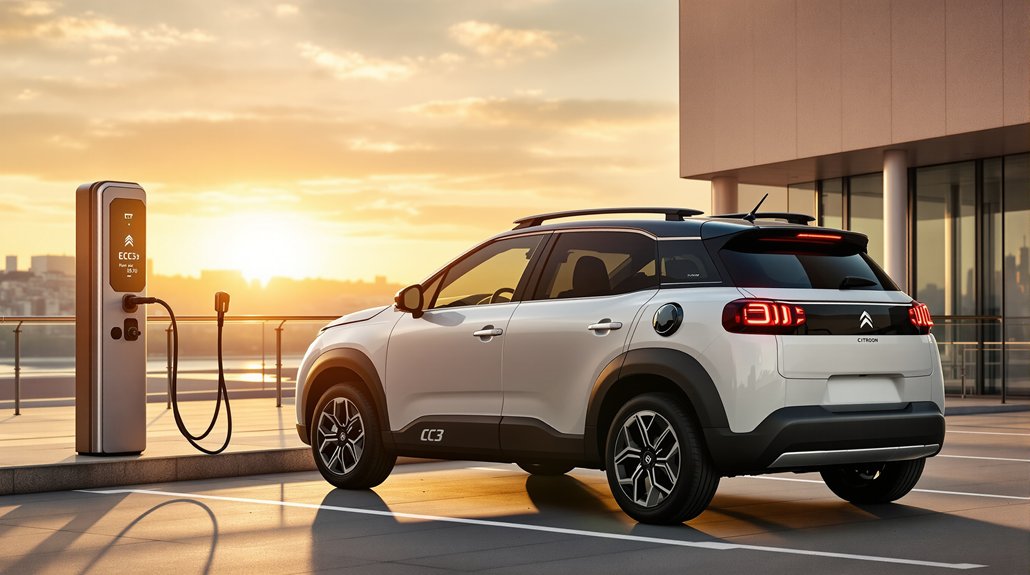
The infrastructure question remains significant. These ultrafast charging capabilities require compatible megawatt-level charging stations, which are currently limited but expanding. Industry-wide standardization will be necessary to fully leverage these advancements. The lack of standardized charging protocols continues to complicate the user experience for EV owners across different vehicle brands and charging networks.
With CATL and BYD pushing charging speeds to levels previously thought impossible, competitors face mounting pressure to accelerate their own innovations. The race to five-minute charging may finally remove the last major objection to EV adoption, making the shift from gasoline to electric truly seamless.
BYD plans to build a comprehensive network with over 4,000 charging stations throughout China to support their new ultra-fast charging technology.