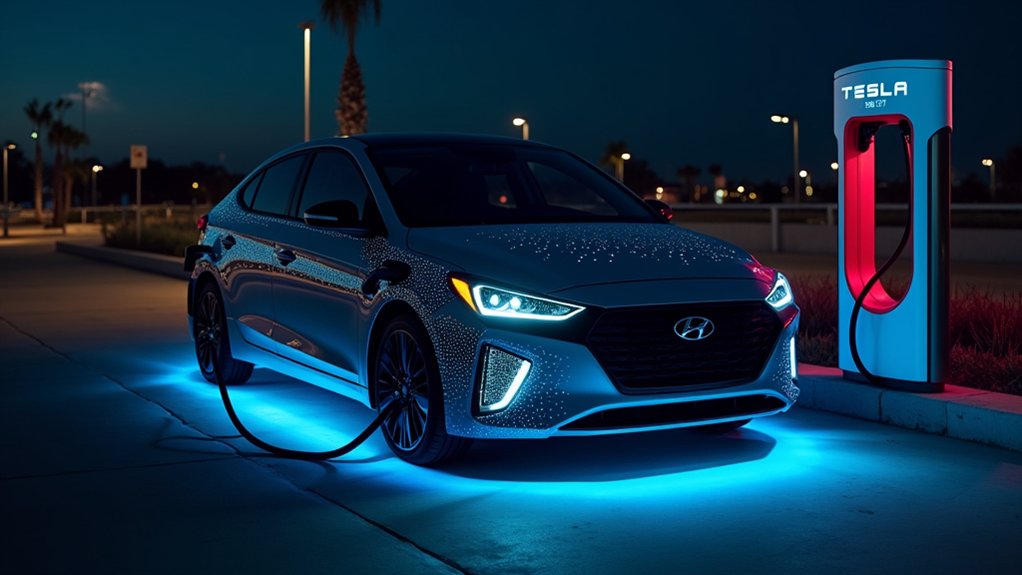
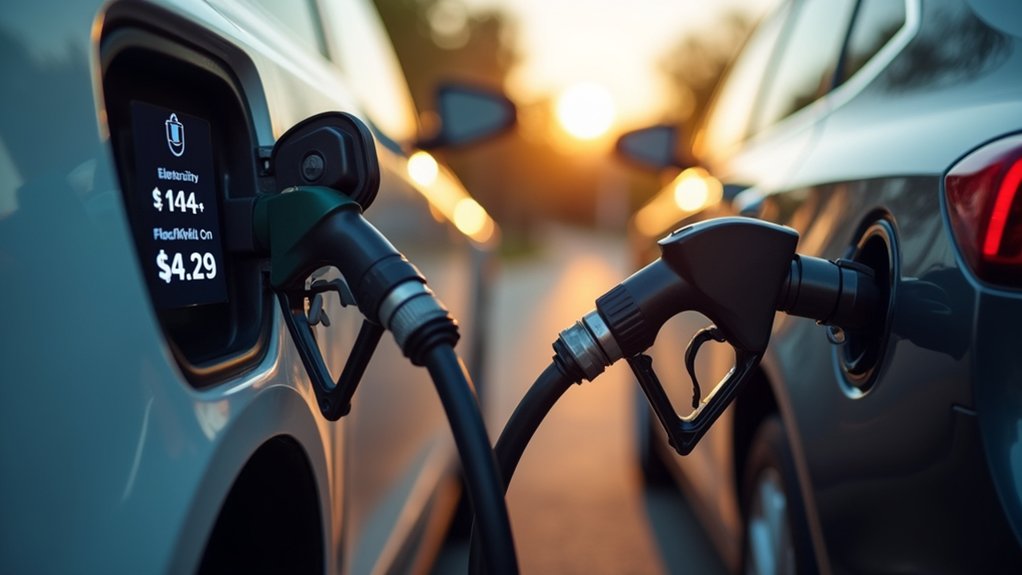
While electric vehicle adoption continues to accelerate, Hyundai has quietly revolutionized the charging experience with its implementation of Plug & Charge technology. This innovation enables automatic authentication at compatible charging stations, allowing Hyundai EV owners to begin charging without fumbling with apps or cards—a convenience that rivals or exceeds Tesla’s renowned user experience.
The technology debuted on the 2025 IONIQ 5 via an over-the-air software update, with Hyundai promising future support for earlier models through dealership updates. This approach demonstrates a commendable commitment to existing customers, preventing hardware obsolescence through software enhancements. The charging experience feels remarkably polished, activating within seconds of plugging in.
Compatibility extends across major networks, including Tesla Superchargers, IONNA, and ChargePoint, greatly expanding access to high-speed charging infrastructure. Hyundai’s system provides increased flexibility and control for EV owners navigating different charging networks. The solution incorporates smart charging technology that optimizes charging schedules and costs through sophisticated algorithms. I’ve found this multi-network support particularly valuable during long trips, eliminating the anxiety of network-specific charging limitations that plague many non-Tesla EVs.
Seamless charging across Tesla, IONNA, and ChargePoint networks eliminates the range anxiety that once defined non-Tesla EV ownership.
The IONIQ 5’s ultra-fast DC charging capabilities complement this seamless authentication process, adding substantial range in under 20 minutes when connected to compatible chargers. The innovative 800V architecture allows for charging from 10% to 80% in approximately 20 minutes on a 350-kW ultra-fast charger. New customers receive additional benefits: either a complimentary Level 2 home charger or up to $450 in ChargePoint credit, further reducing ownership barriers.
Hyundai has enhanced the MyHyundai app to support this functionality, integrating remote charging controls, status monitoring, and payment processing in one interface. This digital ecosystem creates a cohesive experience that minimizes friction points throughout the charging workflow.
The rollout strategy targets both new and existing Hyundai EVs, ensuring consistent feature sets across the company’s expanding electric portfolio. While current implementation requires dealer updates for pre-2025 models, the framework established suggests more streamlined delivery in future iterations.
Hyundai’s approach to charging technology appears meticulously crafted to address real customer pain points. By combining widespread network compatibility with seamless authentication and high charging speeds, they’ve created an ecosystem that might just have Tesla owners taking a second look.