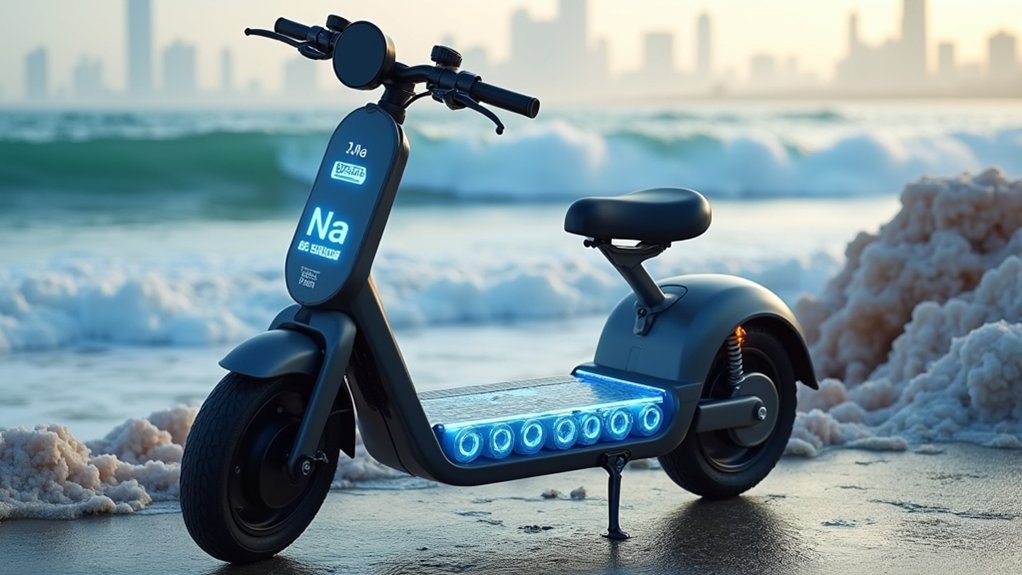

While lithium has dominated the electric vehicle market for years, a revolutionary new battery technology derived from sea salt is poised to transform the electric scooter industry. Chinese engineers have developed sodium-based battery systems that offer four times the capacity of traditional lithium-ion cells, with substantial improvements in both safety and cost-efficiency. This breakthrough represents a significant pivot in power storage technology, especially for lightweight urban mobility solutions.
The technical advantages of these sea salt batteries are substantial. With energy density reaching 290 Wh/L, they rival advanced lithium systems while eliminating the fire hazards associated with conventional cells. The absence of thermal runaway risk—a catastrophic failure mode in lithium batteries—makes these particularly suitable for densely populated urban environments. Silicon carbide technology in these batteries further minimizes energy losses in the inverters, significantly improving overall efficiency.
Sea salt battery technology delivers lithium-rival performance with none of the fire risks—ideal for crowded cities.
Recent innovations have overcome the high-temperature dependency that plagued earlier sodium-sulfur designs, allowing operation at room temperature without the previous 10.5-hour warm-up periods. Unlike traditional molten salt batteries which require constant high temperature of around 250°C to function properly, these new designs operate efficiently at ambient conditions. This represents a major advancement since molten salt batteries have existed for 50 years but were previously considered inferior alternatives to lithium-based systems.
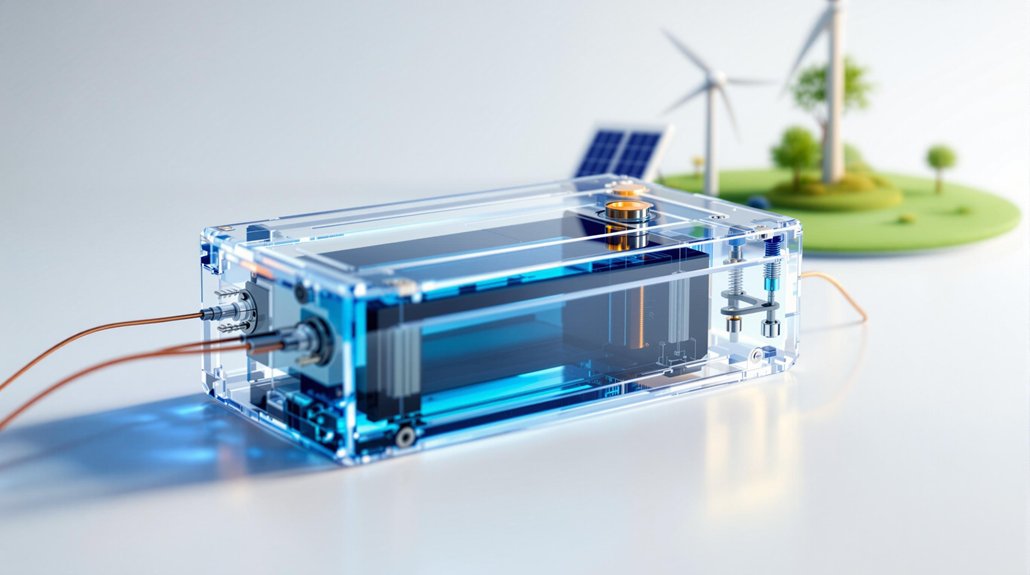
Manufacturing economics lie at the heart of this technology’s promise. Sodium’s abundance in seawater translates to dramatically lower raw material costs compared to lithium. The polymer casings further reduce production expenses, eliminating the need for heavy steel enclosures typical in conventional battery manufacturing. This cost reduction could revolutionize pricing structures across the electric mobility sector.
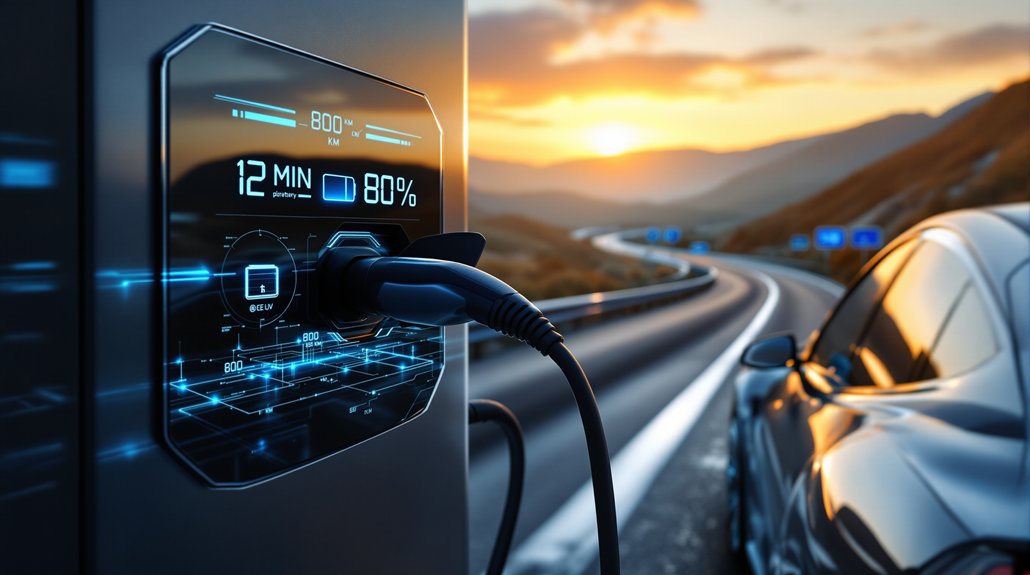
Performance metrics are equally impressive. These batteries support 1C charge rates—meaning full charging in approximately one hour—while maintaining 80% capacity after 4,500 cycles. That’s a potential lifespan four times longer than many commercial lithium alternatives. The high power density enables rapid acceleration, a critical feature for urban scooter applications.
Challenges remain, particularly in scaling production from prototype to mass manufacturing. Thermal management complexities need resolution before widespread adoption becomes feasible.
Nevertheless, the commercial potential appears substantial. As urban centers worldwide seek cleaner transportation alternatives, these sea salt batteries may provide the perfect combination of performance, safety, and affordability that transforms electric scooters from niche products to mainstream transportation options.