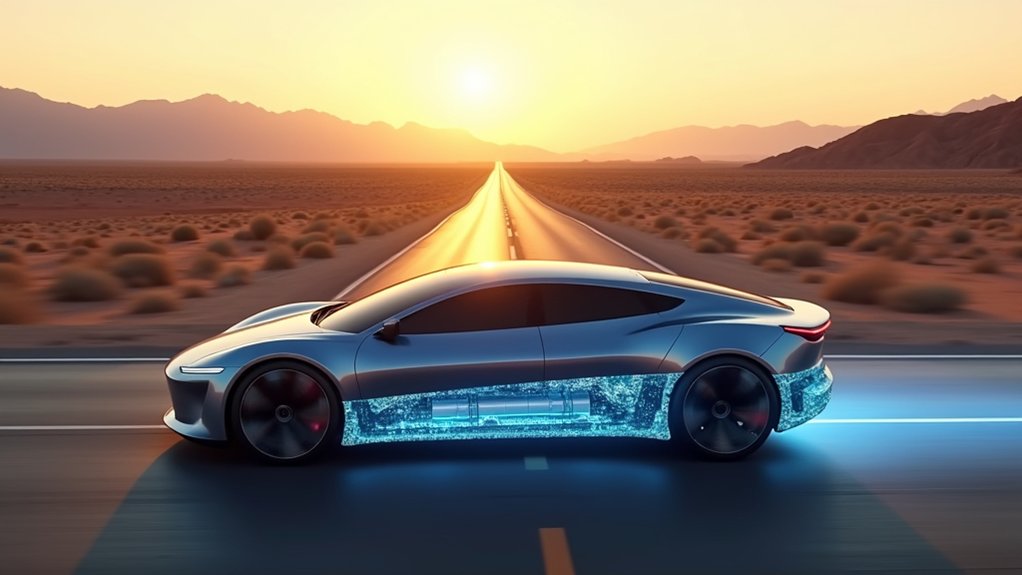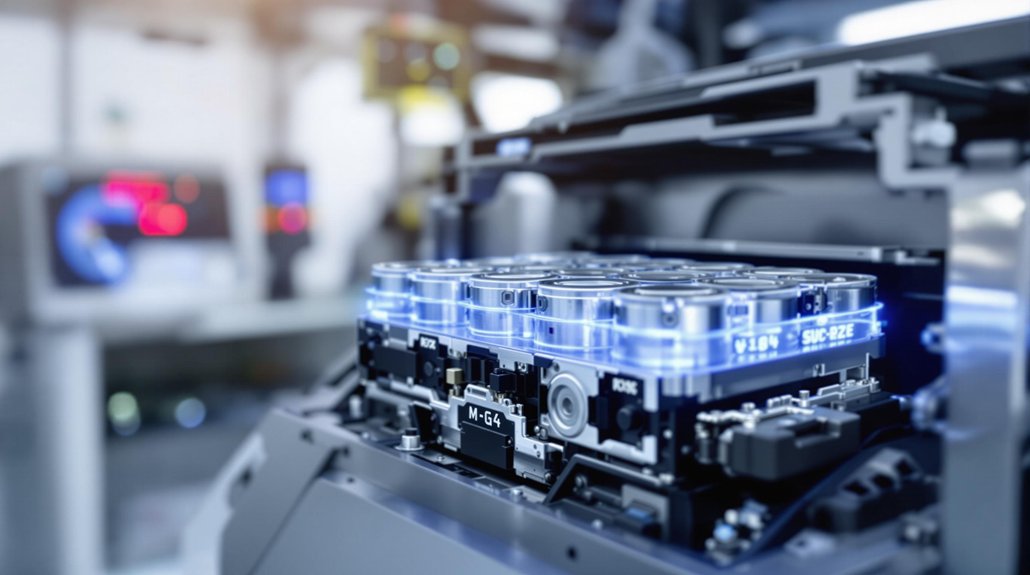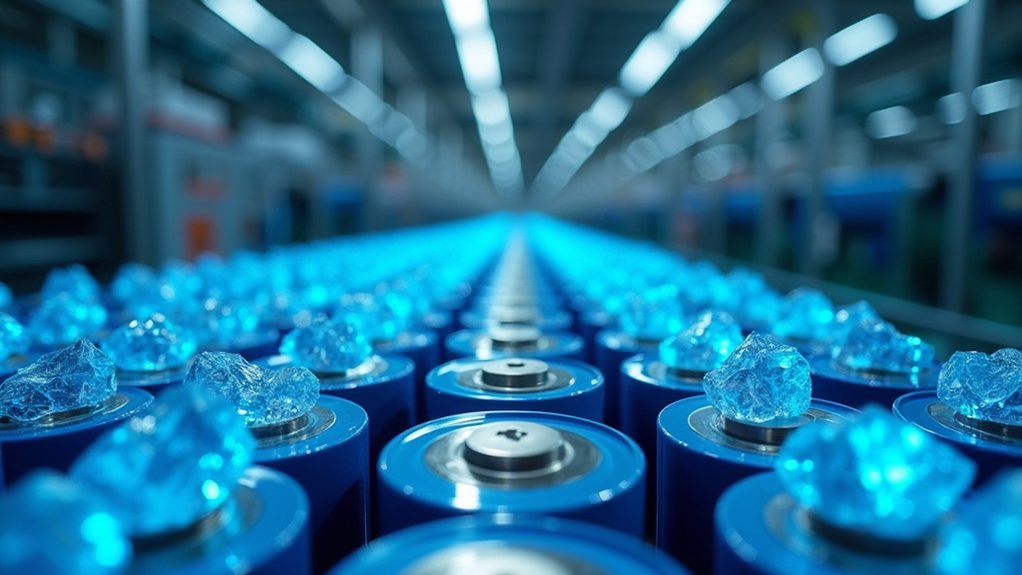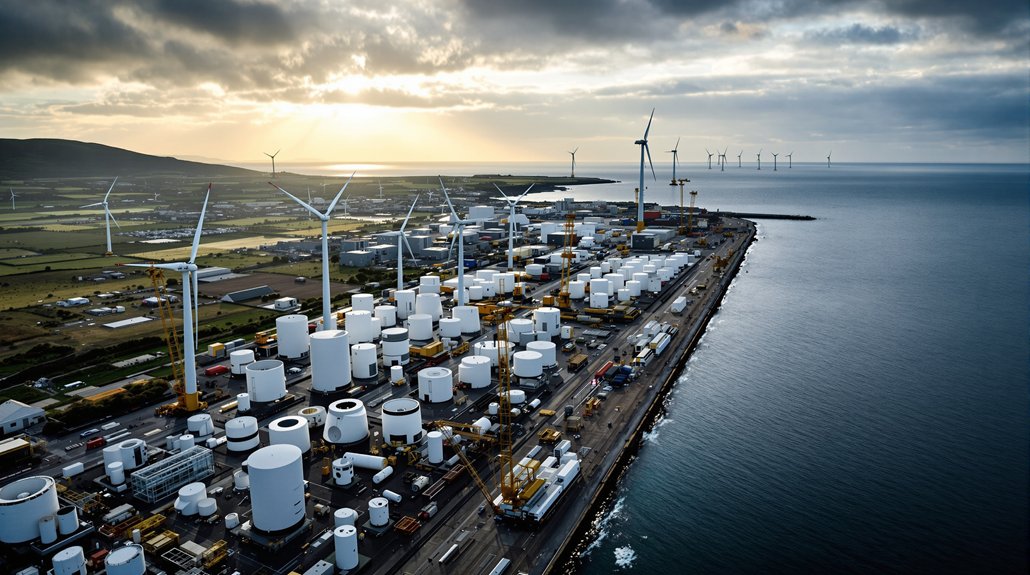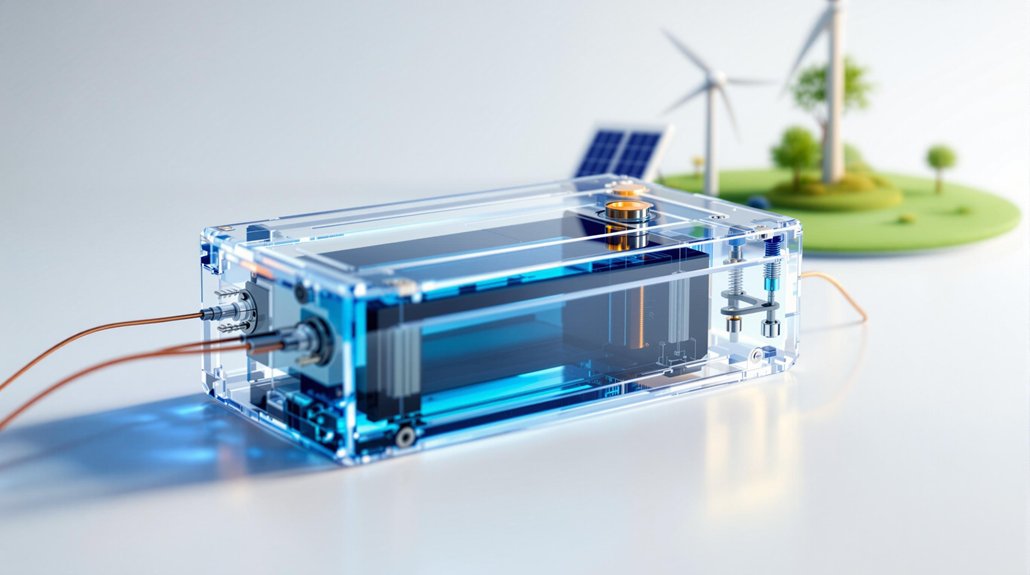

A revolutionary advancement in energy storage technology has emerged with the development of water-powered batteries, potentially transforming how renewable energy is captured and utilized across global markets. These systems, formally known as pumped storage hydropower and advanced aqueous batteries, leverage water or water-based electrolytes instead of the volatile compounds found in conventional lithium-ion cells. The architecture eliminates the notorious fire hazards that have plagued EV manufacturers for years.
The technology manifests in several configurations—pumped hydropower, aqueous batteries utilizing magnesium or sodium ions, and flow battery systems. Each variant capitalizes on water’s inherent stability and abundance. Recent laboratory testing demonstrates remarkable resilience, with zero capacity degradation over 220 full charge/discharge cycles. I’ve reviewed similar technologies throughout my career, but these performance metrics are genuinely impressive.
Cost advantages emerge from multiple vectors. The battery chemistry relies on plentiful elements, sidestepping the supply chain bottlenecks and geopolitical complications endemic to cobalt and lithium procurement. Manufacturing complexity drops substantially without the need for inert-atmosphere production environments. Unlike sodium-ion alternatives that cost 5 cents per kilogram compared to lithium’s $15, these water-based systems promise even greater cost efficiency. The final product requires minimal thermal management infrastructure, streamlining integration into both fixed and mobile platforms.
Water battery technology bypasses resource constraints while simplifying manufacturing and reducing system complexity—a trifecta of economic advantages.
Efficiency ratings reveal competitive performance; pumped storage systems operate at 70-85% efficiency, while newer electrochemical variants continue closing the performance gap with lithium-ion benchmarks. Current research has achieved 75 watt-hours per kilogram, approaching the energy density of commercial Tesla batteries. The modular nature of flow batteries enables independent scaling of power and energy capacity, a flexibility unmatched in solid-state chemistry. These systems can supply up to 40% of energy needed to restore the grid during blackouts.
The environmental credentials are unimpeachable. Non-toxic electrolyte chemistry means zero hazardous waste throughout the lifecycle, and full recyclability stands in stark contrast to the mixed recovery rates of conventional systems. When paired with wind or solar generation, these batteries create a genuinely sustainable energy ecosystem.
From small coin cells to industrial-scale installations, water battery technology demonstrates extraordinary scalability. While energy density remains the final frontier for mobile applications, the technology’s safety profile and economic advantages position it as the definitive solution for grid stabilization, renewable integration, and industrial backup applications.