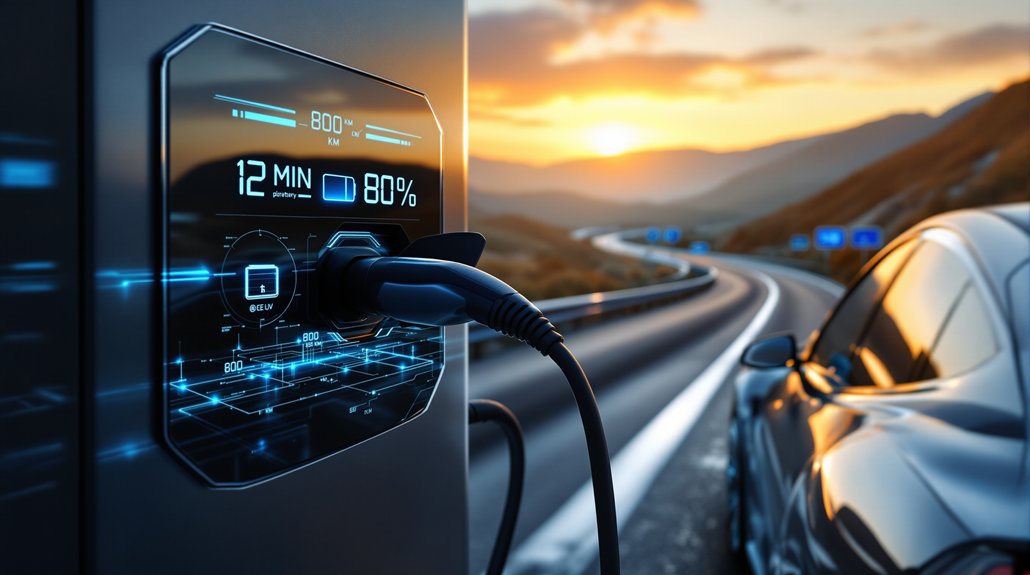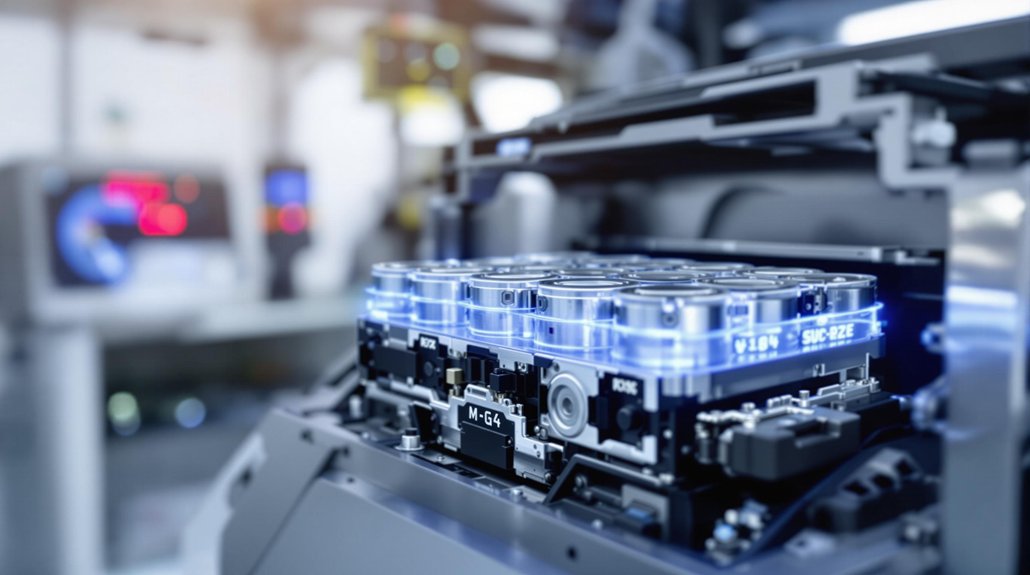

While traditional lithium-ion batteries continue to dominate the EV market, MG’s new semi-solid-state technology represents a significant step forward in battery evolution. The upcoming MG4, scheduled for an August 5 launch in China, stands to become the first mass-produced vehicle globally with this progressive battery chemistry—one that reduces liquid electrolyte to just 5% of the total composition.
The pack delivers a 537 km range under CLTC standards from its 70 kWh capacity, demonstrating competitive efficiency. What’s truly remarkable isn’t a revolutionary energy density—at 180 Wh/kg, it merely equals many current lithium-ion solutions—but rather its exceptional safety profile and cold-weather performance. This technological advancement effectively combines advantages of solid-state batteries’ safety with liquid electrolytes’ ion mobility.
I’ve seen many manufacturers tout safety improvements, but the MG4’s ability to pass a 360-degree puncture test without catastrophic failure is genuinely impressive. This semi-solid-state technology positions itself between conventional liquid-based systems and the still-developing pure solid-state batteries.
The primary advantage appears in low-temperature scenarios, where the MG4 demonstrates a 13.8% improvement in retention at –7°C versus standard LFP batteries. For consumers in colder regions, this translates to more reliable performance during winter months. The Battery Management System continuously monitors temperature to maintain optimal performance in these challenging conditions. The announcement from General Manager Chen Cui confirms that these improvements are just part of a comprehensive upgrade package.
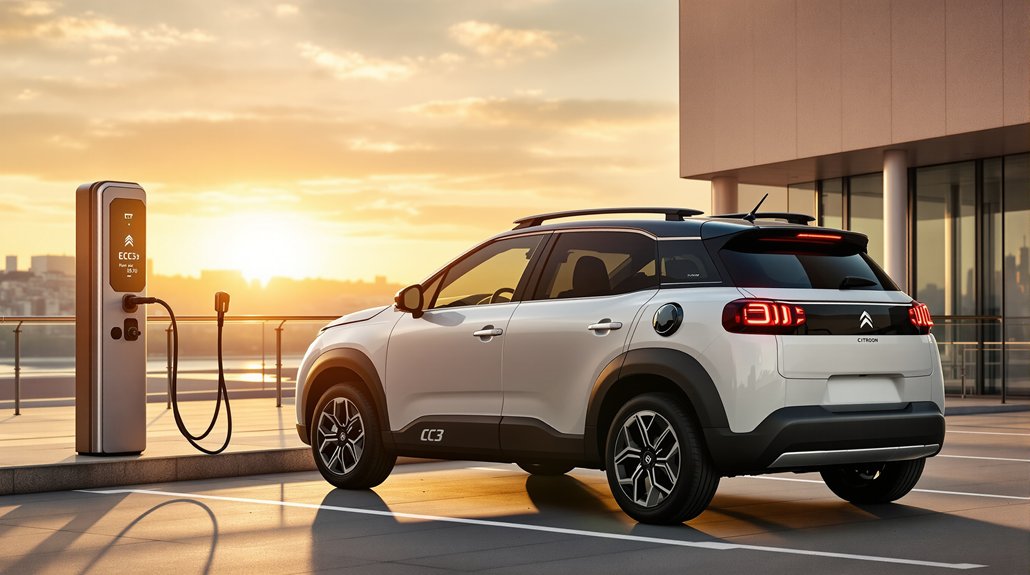
Pricing from RMB 80,000 to 120,000 ($11,000-16,400) places the MG4 squarely against competitors like the BYD Dolphin. At 4,395 mm length and 1,842 mm width, it offers slightly larger dimensions than key rivals in the segment.
The technology still falls short of Nio’s limited-production semi-solid-state pack, which delivers 595 miles from a 150 kWh capacity. However, MG’s implementation represents a more accessible application of this progressive chemistry.
Industry consensus views semi-solid-state technology as an intermediate step toward full solid-state batteries. While not delivering the revolutionary energy density improvements many enthusiasts hoped for, the MG4’s focus on safety enhancements and cold-weather reliability represents a pragmatic advancement that addresses genuine consumer pain points in everyday EV ownership.