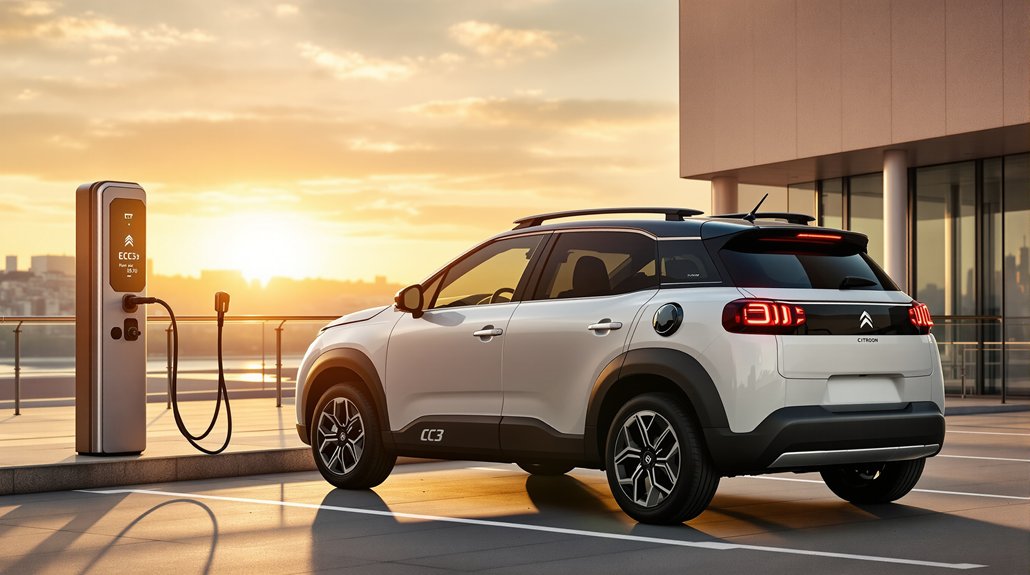
While electric vehicles have steadily gained market share over the past decade, the revolutionary battery technologies currently in development promise to address the three most persistent challenges facing EV adoption: range anxiety, charging time, and battery longevity.
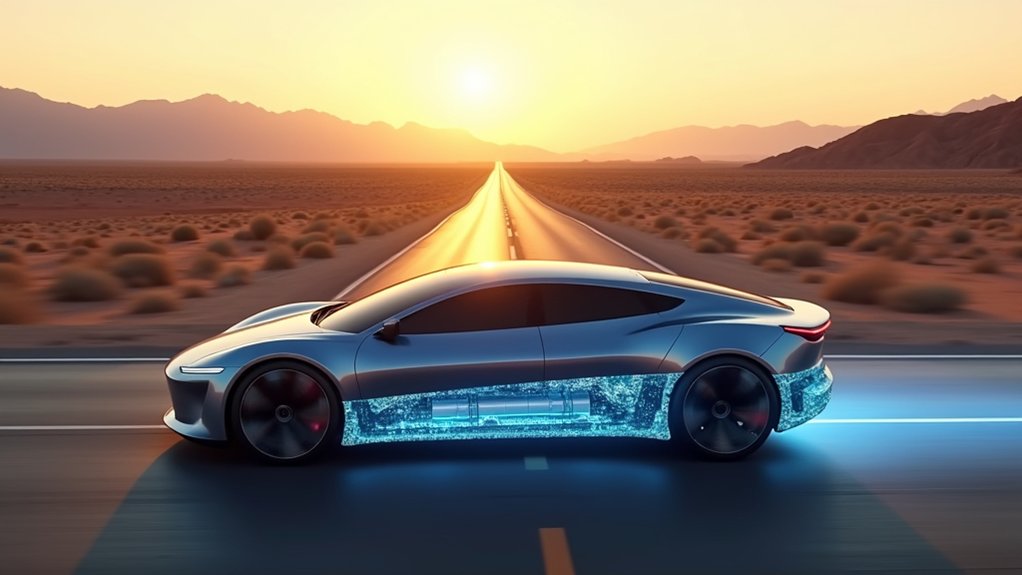
Experimental aluminum-air battery systems have achieved remarkable results, with test vehicles traveling over 1,100 miles on a single charge, demonstrating potential for extraordinary range extensions that could transform consumer perception.
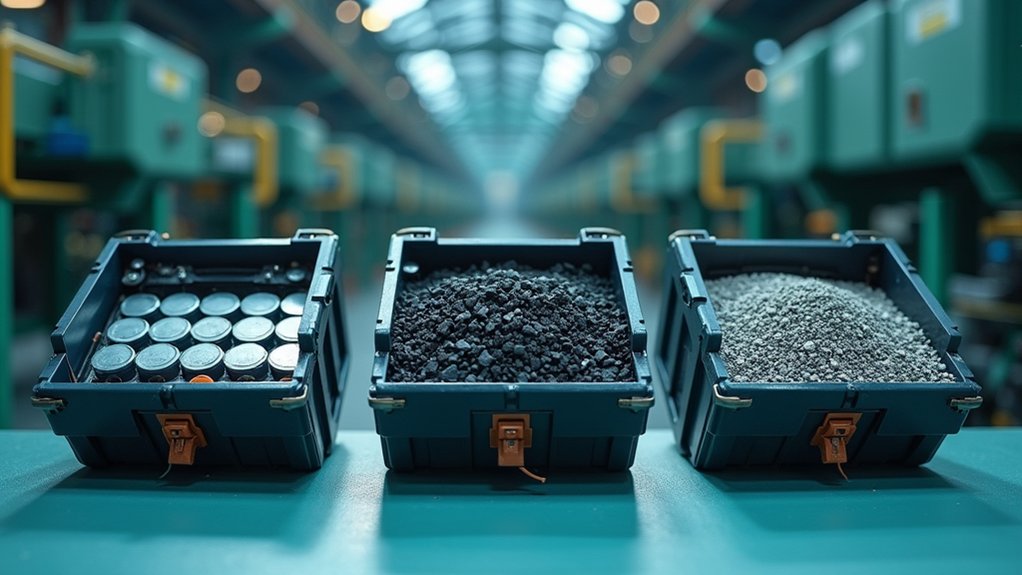
Solid-state batteries incorporating sulfide superionic conductors represent perhaps the most promising near-term advancement. These next-generation power cells offer substantially improved thermal stability while enabling charging times as brief as seven minutes.
Toyota, Solid Power, and QuantumScape are aggressively pursuing commercialization, with production models expected by 2026. The stable solid electrolyte materials virtually eliminate fire risks, addressing a critical safety concern.
Alternative chemistries show equally impressive capabilities. Zinc-air batteries cannot catch fire and benefit from streamlined manufacturing processes that reduce costs. Scientists at University of Sydney have developed cost-effective zinc-air batteries that provide a safer alternative to conventional lithium-ion technology.
Graphene-based technology promises 500-mile range with ultra-fast charging times, while Ryden dual carbon batteries charge up to 20 times faster than conventional lithium-ion cells. Sodium-ion alternatives offer substantial cost savings compared to lithium, costing just 5 cents per kilogram versus lithium’s $15.
Battery management innovations complement these chemical advances. Novel H-bridge-based cell-level inverters and dynamic state-of-charge balancing extend pack life by up to 30%, pushing usable lifespans to 12-15 years in moderate climates.
These sophisticated control systems adapt to real-world usage patterns, optimizing performance throughout the battery lifecycle. Many of these systems help maintain charges between 20% to 80% for maximum efficiency and battery preservation.
I’ve examined numerous battery technologies over the years, but the current development pipeline represents a genuine paradigm shift.
The integration of these advanced chemistries with existing manufacturing infrastructure means rapid deployment remains feasible despite their sophisticated nature.
When implemented across vehicle fleets, these technologies will render today’s range concerns obsolete, with single-charge capabilities potentially exceeding 3,000 miles in theoretical models combining aluminum-air chemistry with lightweight vehicle designs.
Such performance would effectively eliminate charging frequency as a consideration for most consumers, fundamentally transforming the EV ownership experience.