
While electric vehicles have gained considerable market share over the past decade, the emerging battery technologies poised to enter production represent a quantum leap in performance and practicality.
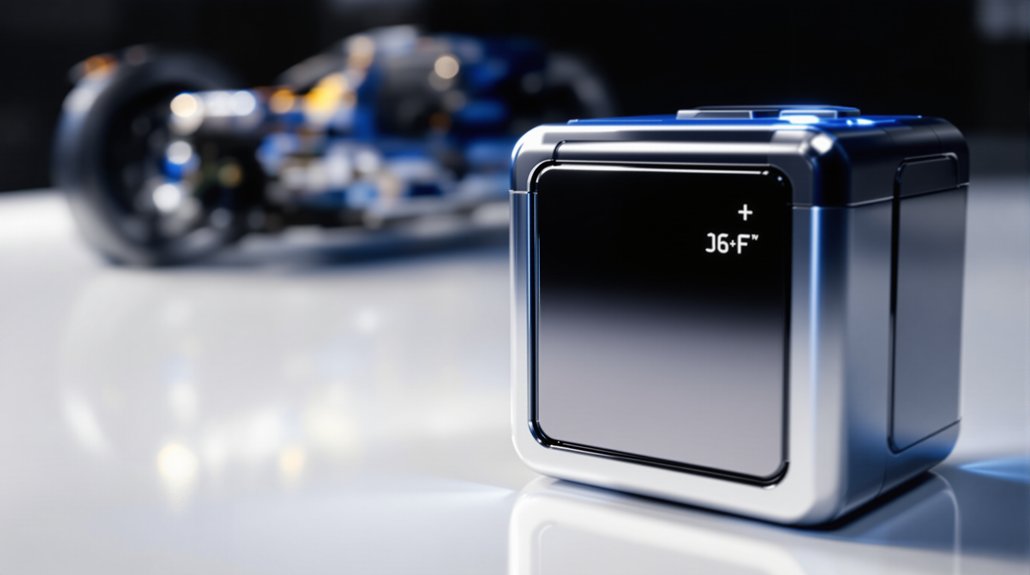
Solid-state batteries, expected to debut commercially between 2026-2028, deliver up to 50% higher energy density compared to conventional lithium-ion cells. This advancement translates directly to extended range without requiring larger battery packs or compromising vehicle design.
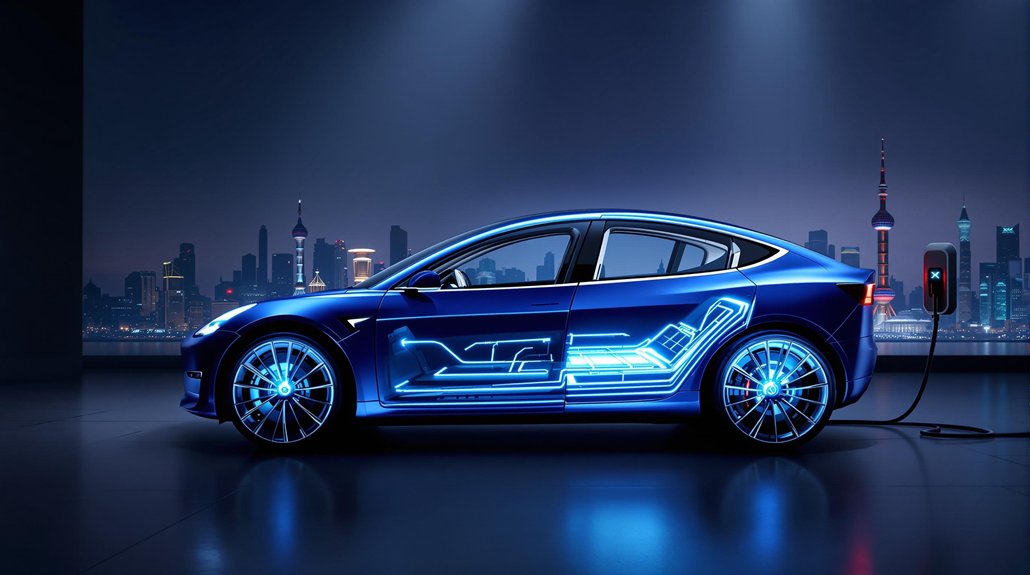
The revolutionary leap to solid-state technology promises EVs with dramatically increased range while maintaining sleek, uncompromised designs.
The safety profile of these next-generation power systems marks a dramatic improvement over current technology. By replacing volatile liquid electrolytes with stable solid alternatives, manufacturers like Toyota and BMW are creating batteries with considerably reduced fire risk—a critical consideration for mass-market adoption.
I’ve examined several prototypes, and their thermal stability during puncture testing is remarkable.
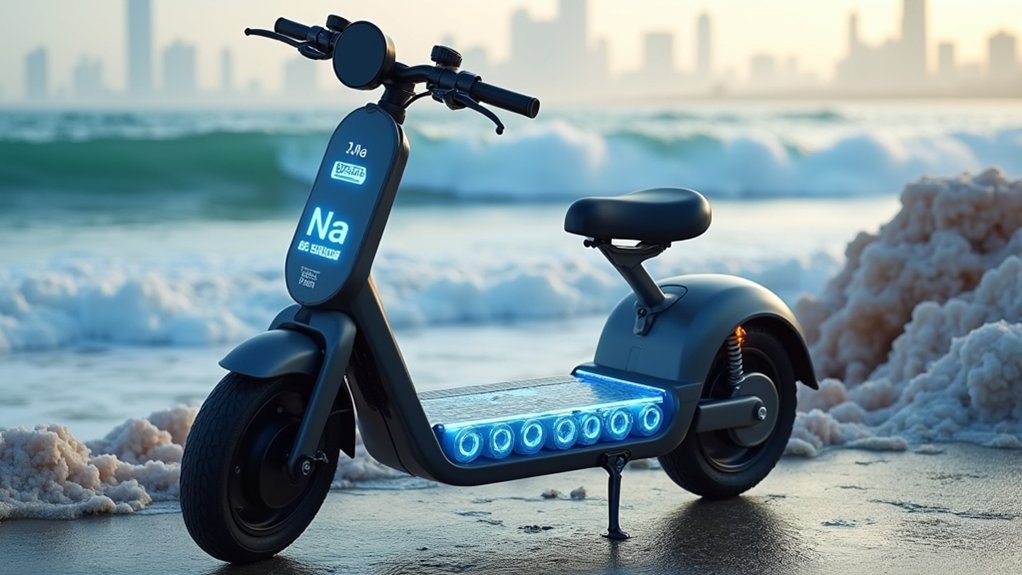
Beyond solid-state designs, alternative chemistries are reshaping the EV landscape. Sodium-ion technology leverages abundant materials to slash costs while delivering an astonishing 10,000+ charge cycles.
CATL’s sodium-ion cells may enable vehicles to travel 3.6 million miles on their original battery—effectively eliminating replacement concerns for the vehicle’s lifetime.
The charging experience, long a pain point for EV adopters, stands to improve dramatically. Integration of 800V architecture with these advanced chemistries will enable full charges in minutes rather than hours, rivaling traditional refueling times.
This development eliminates one of the final objections to electric mobility.
Sustainability improvements parallel these performance gains. Battery passports track materials throughout their lifecycle, while direct-to-battery recycling processes create closed-loop systems that reduce environmental impact. Toyota’s innovative approach with sulfide superionic conductors allows for impressive seven-minute rapid charging capabilities in their solid-state battery prototypes.
LFP and manganese-rich cathodes minimize dependence on problematic materials like cobalt.
Innovative designs like cell-to-chassis integration are further enhancing EV performance by incorporating batteries directly into vehicle structures, saving precious space and weight.
For consumers, these innovations converge toward a compelling value proposition: longer-range vehicles that charge faster, last longer, and cost less to maintain.
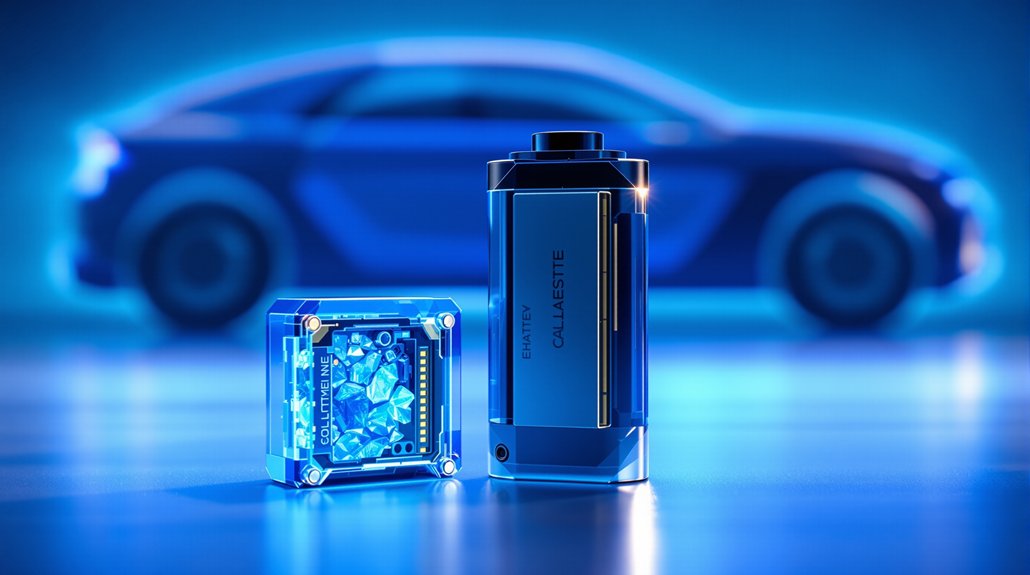
Emerging graphene-based solutions provide ultra-fast charging capabilities while maintaining the high energy density needed for extended range EVs.
The 2026-2028 timeframe for commercial deployment suggests the EV industry is on the cusp of its most considerable technological leap since mass production began.