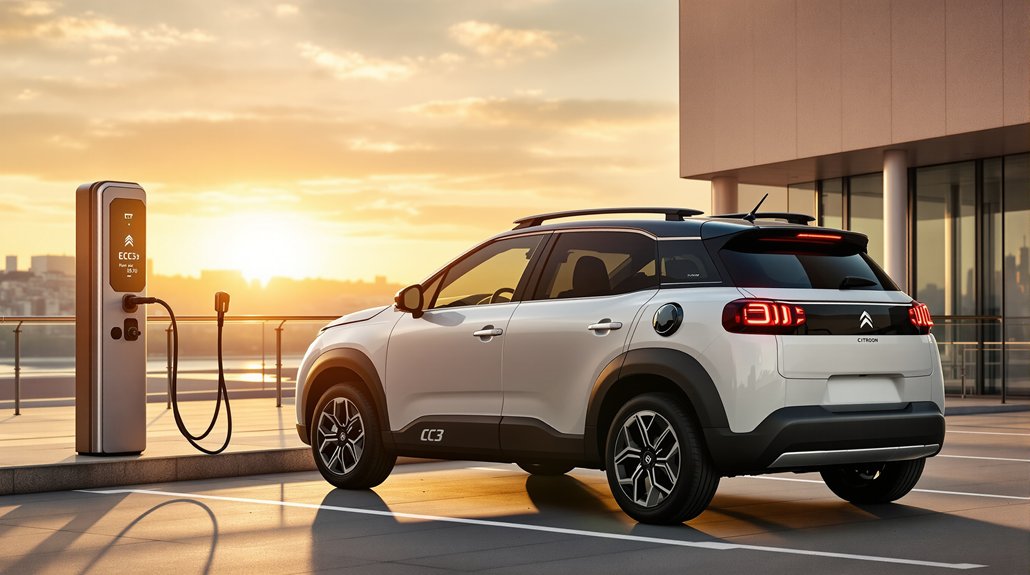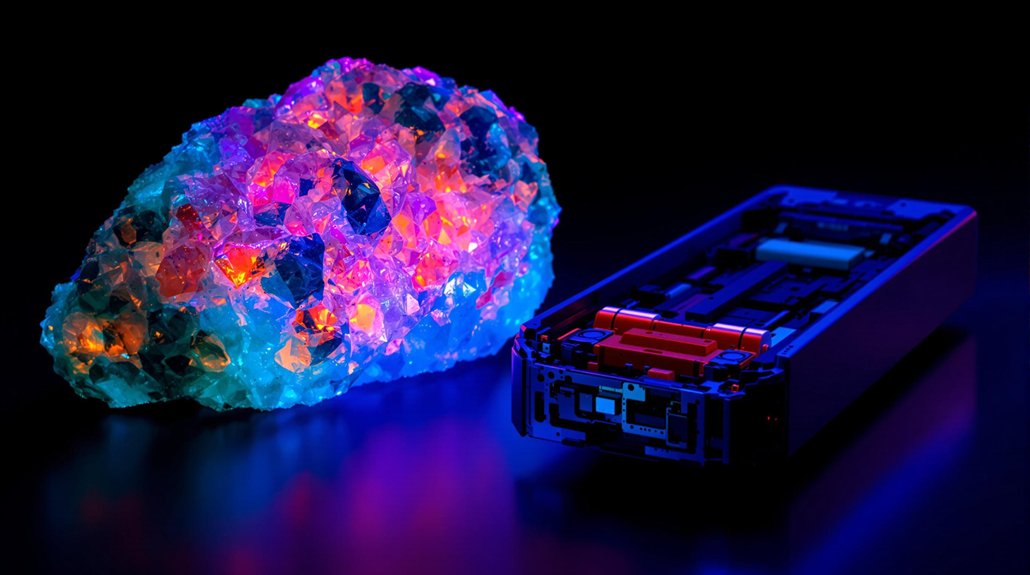
In an unexpected parallel to comic book lore, scientists have identified jadarite—a mineral with an uncanny chemical resemblance to Superman’s fictional kryptonite—as a potential game-changer for electric vehicle battery technology.
First discovered in Serbia‘s Jadar Valley in 2004 and officially recognized two years later, this sodium-lithium-boron-silicate-hydroxide mineral glows pinkish-orange under UV light, adding to its otherworldly qualities. The substance contains approximately 47% boron oxide and 4% water content, creating a crystalline structure with remarkable industrial properties.
Jadarite’s significance lies in its dual composition of lithium and boron—two elements critical for next-generation battery technology. Lithium, already the backbone of today’s EV power cells, works alongside boron, which shows promise for stabilizing battery electrolytes. Similar to sodium-ion alternatives, jadarite-based materials could significantly reduce production costs compared to conventional lithium sources. This combination positions jadarite as a strategic mineral for manufacturers looking to enhance energy density and charge rates.
The dual lithium-boron composition of jadarite offers a strategic advantage for manufacturers seeking the next leap in battery performance.
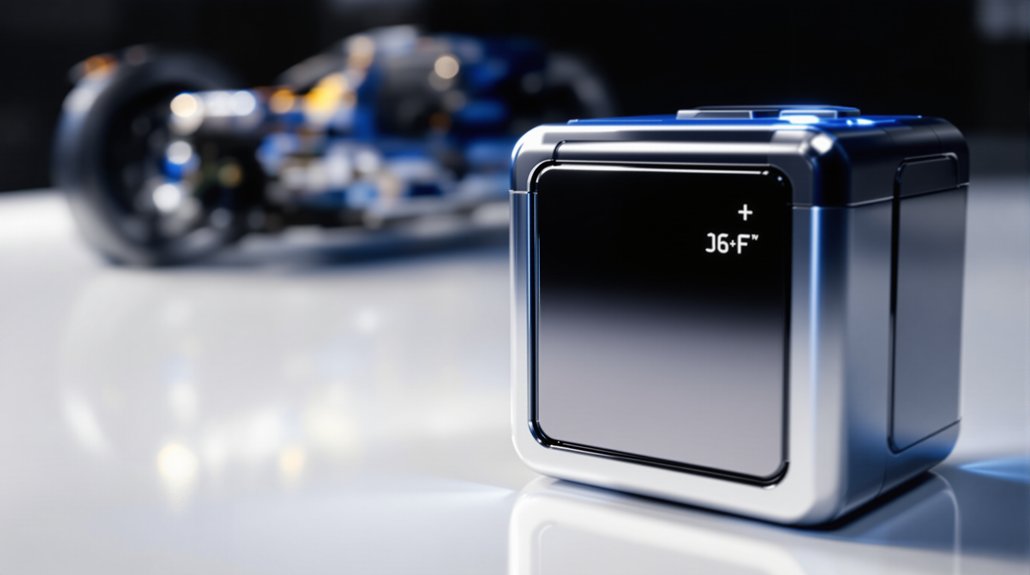
The Danish Technical University has leveraged similar rock-based materials to develop a breakthrough solid-state battery capable of powering vehicles for up to 1,000 kilometers on a mere 10-minute charge. These innovative batteries primarily utilize potassium and sodium silicates found in common rocks as their base materials.
I’ve reviewed the specifications, and the non-flammable solid-state electrolyte represents a substantial safety improvement over conventional lithium-ion cells. Production scale-up challenges remain significant, however, likely delaying commercial deployment until the 2030s.
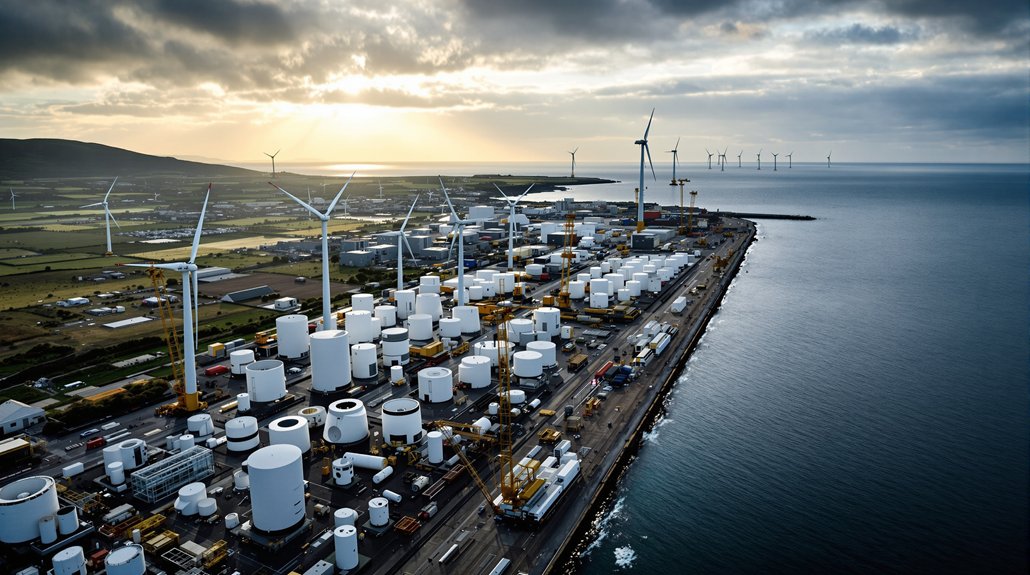
Market implications are substantial. As automakers shift their fleets to electric platforms, demand for lithium and boron will inevitably skyrocket. The Jadar deposit alone could potentially supply 90% of Europe’s lithium needs for electric vehicles, addressing a critical resource gap in the continent’s green transition. Jadarite deposits could help address looming supply chain vulnerabilities in the battery sector, though substantial investment in extraction and refinement infrastructure is necessary.
The environmental calculus appears favorable. DTU’s patented process for cost-effective extraction from common rocks could reduce the industry’s dependence on environmentally problematic mining operations. This aligns well with regulatory trends pushing for sustainable battery technology.
With synthetic production possible in laboratory settings and scalable extraction methods under development, this kryptonite-like mineral may indeed become the auto industry’s superpower—not its weakness—in the electrified transportation revolution.