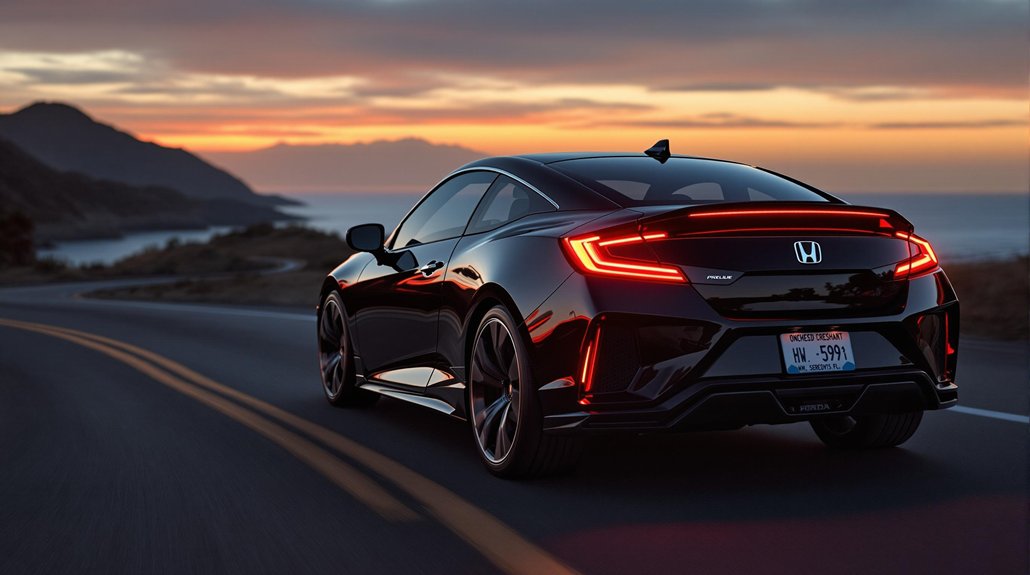
While established automakers struggle to define the future of electric vehicles, Xiaomi’s YU7 2025 has emerged as a formidable disruptor in the premium EV market. The newcomer boasts a dual-motor AWD setup delivering up to 508 kW (690 PS/749 bhp), propelling it from 0-100 km/h in just 3.23 seconds in its Performance trim. These figures outclass many competitors at markedly higher price points.
The YU7’s technical specifications are genuinely impressive. Its 800V electrical architecture enables 500 kW peak DC charging capabilities—superior to what Mercedes offers in their latest MMA platform. The substantial 100-101.7 kWh battery pack delivers a CLTC-rated range up to 835 km, though real-world WLTP figures will likely be 15-25% lower. The fast charging technology allows the vehicle to reach full charge in only 0.2 hour when connected to compatible stations.
Xiaomi’s YU7 delivers next-generation EV technology with 800V architecture and blistering 500 kW DC charging that outclasses even premium German brands.
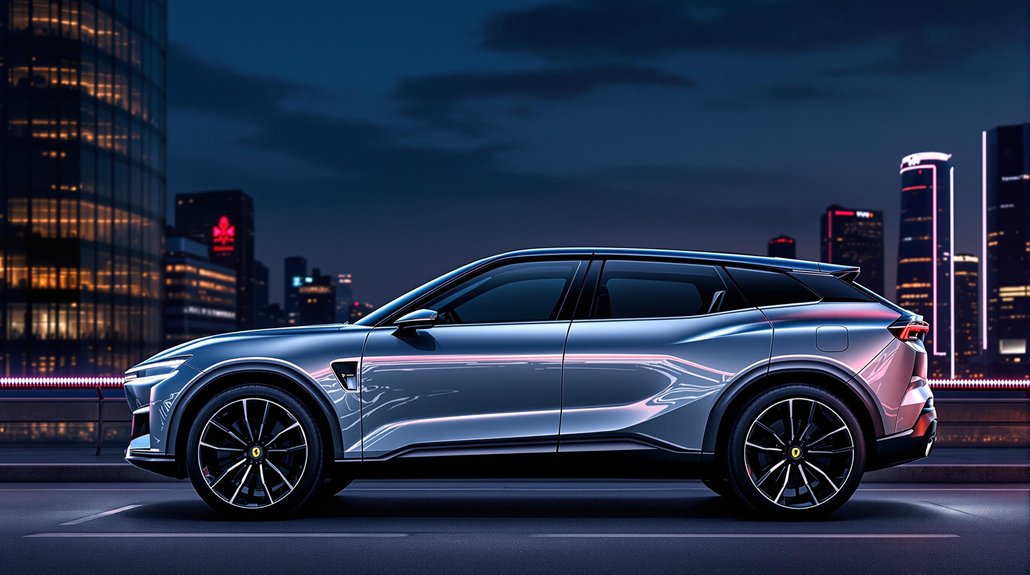
Dimensionally, the Xiaomi stretches 4,999 mm with a generous 3,000 mm wheelbase, providing cabin space that exceeds the Tesla Model Y. I’ve seen few vehicles that combine Ferrari-inspired SUV styling with such practical proportions at this price point. The $35,000 base entry model represents extraordinary value despite offering reduced performance (235 kW, 0-100 km/h in 5.88 seconds). With pricing well below the industry average BEV cost of global EV average, the YU7 positions itself as both a luxury and value proposition.
Technology integration borders on ostentatious. The 1.1-meter HyperVision Panoramic mini-LED display dominates the cabin, while LiDAR-based Level 2+ autonomous driving comes standard—a feature Tesla charges substantially extra for. The YU7 also includes CDC active suspension and air suspension systems absent in the Model Y. The vehicle offers a unique in-car experience with its capybara virtual assistant enhancing user interaction throughout the journey.
Market disruption is already evident. Orders include consumers who weren’t previously shopping for new vehicles, suggesting Xiaomi is expanding the market rather than merely competing within it. The combination of western-beating specs, superior charging architecture, and thorough standard features at aggressive pricing poses a legitimate threat to established players.
Long delivery lead times indicate demand exceeding supply, creating an exclusivity factor that further enhances the YU7’s desirability. Tesla, BMW, and Mercedes suddenly face a competitor that redefines value expectations in the premium EV segment.