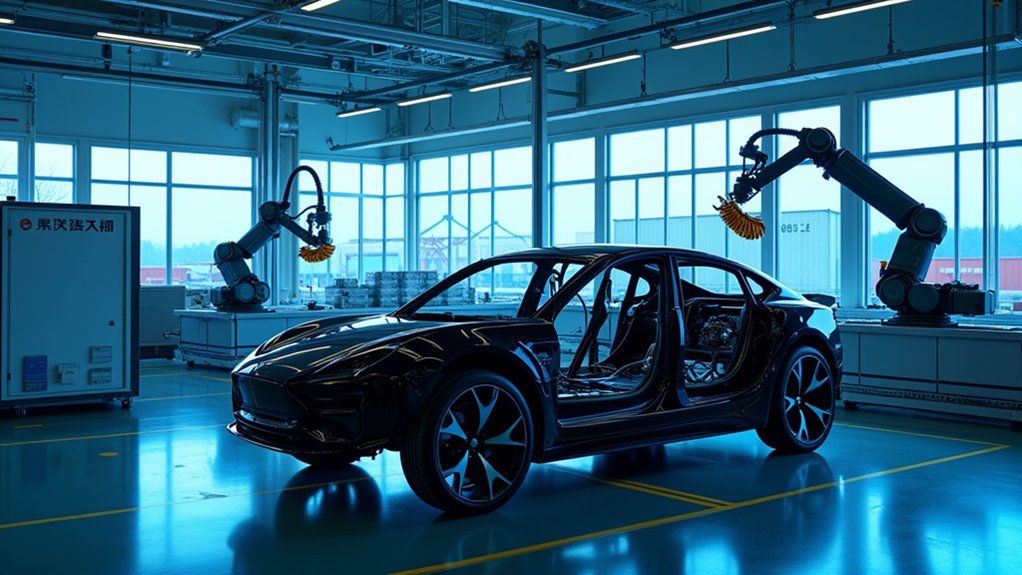
Evolution has transformed the electric vehicle landscape into an unprecedented domain of technological sophistication and consumer value. The market has witnessed extraordinary gains in efficiency, with average EV range now exceeding 300 miles—a remarkable 140% improvement over the past decade. This efficiency revolution extends beyond simple range metrics, incorporating regenerative braking systems that recover 70% of kinetic energy, standard-equipped heat pumps, and intelligent thermal management that mitigates environmental impacts on performance. Cold weather conditions can significantly impact performance, with EV range reduction of 10-24% in low temperatures due to battery chemistry limitations.
Luxury features once reserved for premium combustion vehicles have found their way into the electric segment. Today’s EVs integrate cutting-edge materials, personalized climate controls, and cabin noise-cancellation systems that create sanctuary-like interiors. The Lucid Air Pure exemplifies this transformation, delivering both luxury appointments and sports car performance at price points that challenge traditional market segmentation.
Electric luxury transcends boundaries as EVs deliver sanctuary-like experiences with performance that defies traditional market categories.
I’ve noted that manufacturers have successfully translated legacy luxury experiences into the electric domain while adding technological dimensions impossible in combustion vehicles.
Affordability trends show promising trajectories with significant reductions in price per kWh of battery storage. Federal tax incentives, though projected for change, continue supporting adoption economics. Market competition has emerged as the primary catalyst driving feature enhancement while simultaneously applying downward price pressure. The average cost of a battery-electric vehicle now stands at $44,400, which is actually $1,000 less than comparable gas vehicles.
Entry-level luxury models from established manufacturers like BMW demonstrate effective cost-feature balancing, while depreciation patterns create compelling opportunities in pre-owned markets. The BMW i4 stands out with its competitive pricing starting just under $60,000, making it one of the most affordable options in the luxury EV segment.
Sustainability innovations permeate modern EV design philosophy. Production facilities increasingly utilize renewable energy, while vehicle components incorporate recycled materials and eco-friendly alternatives to traditional luxury materials.
Battery compositions with reduced rare-earth dependencies minimize environmental degradation throughout the supply chain.
The competitive edge in today’s market derives from technological advantage, with OTA update capabilities ensuring vehicles improve post-purchase. Expanded high-speed charging networks provide full charges in under 30 minutes, while AI-driven systems optimize energy usage across varied driving conditions.
Consumer response reflects these advancements, with EVs projected to capture 9.1% of total auto market share by 2025—confirming the sector’s continued evolution.