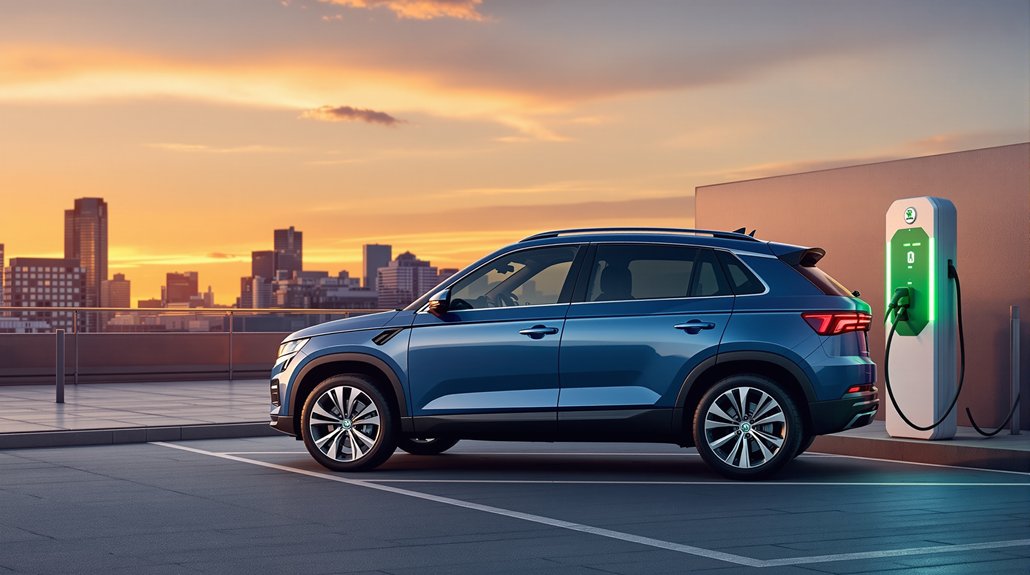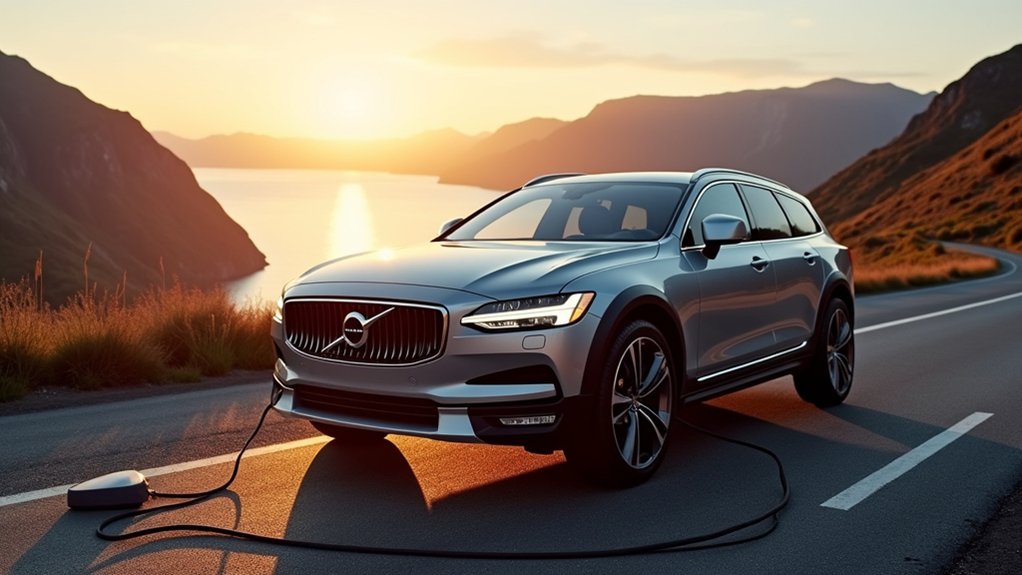
Revival and reinvention define Volvo’s approach to the 2026 XC70, transforming the once-popular wagon into a cutting-edge midsize plug-in hybrid SUV. This isn’t just a nameplate resurrection but a complete rethinking of the vehicle’s purpose. Built on the premium SMA platform, the XC70 delivers an impressive 124 miles (200 kilometers) of all-electric range—more than triple what current Volvo PHEVs offer.
Volvo reimagines the XC70 legacy with triple the electric range of current PHEVs and zero compromises.
The powertrain technology, developed through the Geely-Renault Horse joint venture, represents Volvo’s most ambitious hybrid system to date. It’s a remarkable combination of electric propulsion paired with an efficient combustion engine, allowing the XC70 to handle daily driving without tailpipe emissions while eliminating the range anxiety that often plagues EV adoption.
The all-wheel drive setup guarantees the XC70 maintains Volvo’s reputation for all-weather capability. Chinese consumers will see the XC70 first, with orders opening in late 2025. Volvo is evaluating additional markets for future expansion, though nothing’s confirmed. The timing seems strategic—the market currently shows strong interest in hybrids and PHEVs as consumers remain hesitant about full electrification.
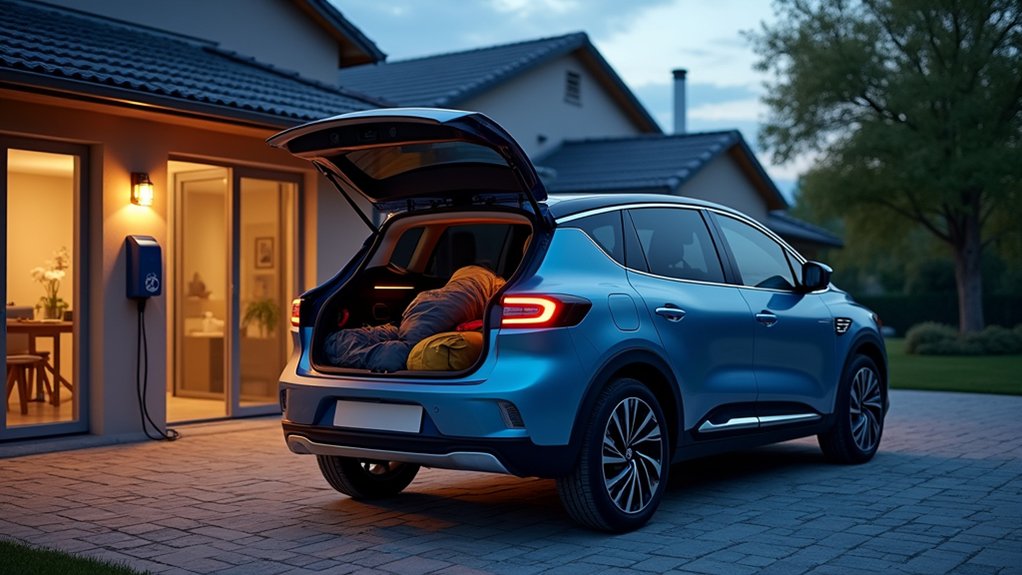
The midsize SUV format provides versatility that the previous wagon iteration couldn’t match. Space and comfort for all passengers come standard, wrapped in Volvo’s characteristic modern Scandinavian design language. This approach aligns with Volvo’s commitment to high-quality interior materials seen across their lineup, including the popular XC90. I’ve noted that extended-range PHEVs like this hit the sweet spot for many buyers: lower operational costs, environmental benefits, and no compromises.
This marks Volvo’s first extended-range hybrid SUV, further diversifying an already robust lineup of mild-hybrids, PHEVs, and EVs. Fast charging capabilities enhance the XC70’s practicality, addressing the primary shortcomings of conventional hybrids. Advanced thermal management systems help maintain optimum battery performance even in challenging climates.
The 2026 XC70 offers what Volvo calls the “winning combination”—gas engine flexibility with substantial electric capability. It’s a clever positioning that acknowledges current market realities while pushing electrification forward in a practical package. The ghost of the old XC70 wagon remains only in name; this is unmistakably a vehicle built for today’s needs.