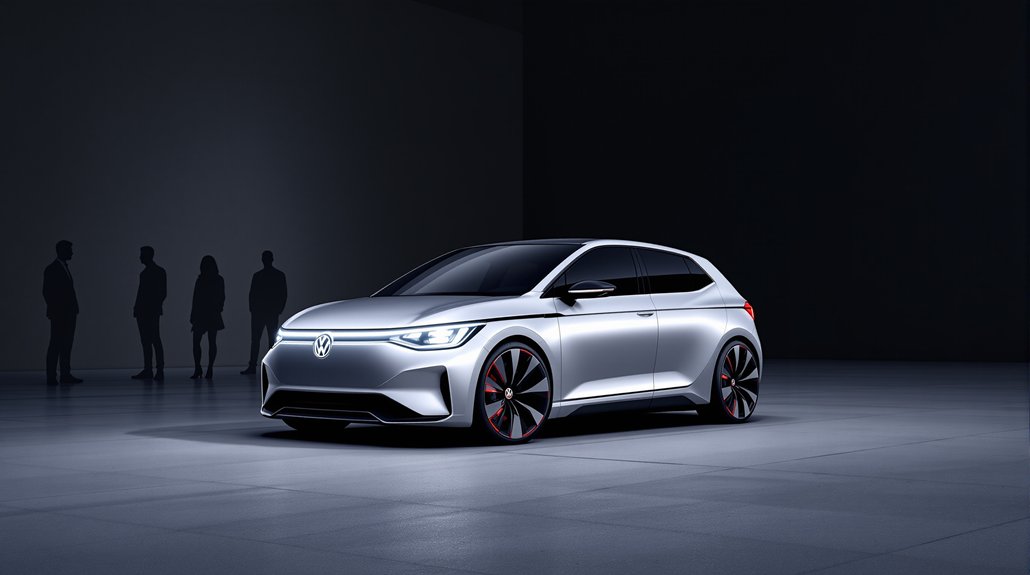

While Volkswagen has been steadily expanding its electric vehicle lineup, the forthcoming ID. Polo represents a significant strategic pivot for the German automaker. As the production version of the ID.2all concept slated for 2026 release, it marks the first time VW will apply its ID electric branding to an established nameplate, leveraging the Polo’s substantial market credibility in Europe.
The ID. Polo’s competitive positioning looks formidable. With a starting price under €25,000 (approximately £22,000), it undercuts key rivals like the Peugeot e-208 and Renault 5. This aggressive pricing strategy seems calculated to disrupt the small EV hatchback segment while making electric mobility more accessible to younger buyers. Customers can choose convenient monthly instalments rather than making a full upfront purchase, similar to current Polo financing options. With declining battery costs approaching ICE price parity, Volkswagen can offer compelling value while maintaining profitability.
Volkswagen’s sub-€25,000 ID. Polo strategically disrupts the EV market, undercutting rivals while courting younger drivers with accessible electric mobility.
Performance specifications suggest Volkswagen isn’t merely competing on price. The ID. Polo will offer two battery options—38 kWh and 56 kWh—with the larger variant delivering an estimated 280-mile range, exceeding the Renault 5’s projected 250-mile capability. The standard 226 hp output should deliver sub-7 second 0-60 mph acceleration, while the planned GTI variant could push output to a remarkable 320 hp. Consumers will appreciate the light-up VW badge that has become a recognizable brand element across Volkswagen’s electric lineup.
Exterior design elements borrowed from the ID.2all concept include a stubby, sloped bonnet, sleek ID.7-inspired headlights, and hidden rear door handles. The cabin promises substantial technological integration with a 12.9-inch central touchscreen paired with a 10.9-inch digital driver’s display—a tech package surpassing many competitors.
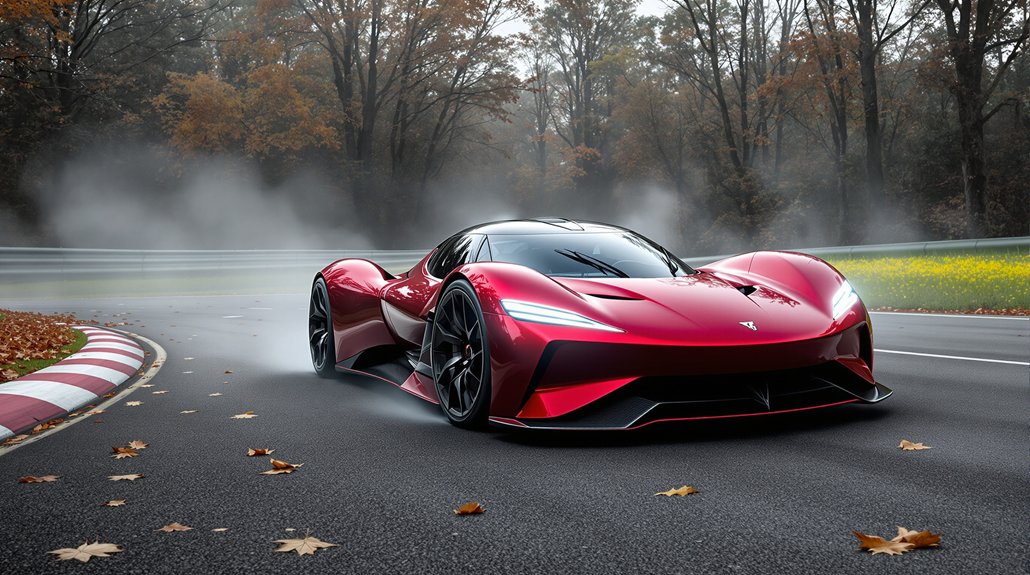
The GTI variant appears particularly compelling. With its larger wheels, aggressive aerodynamic elements, and performance-focused suspension, it could establish a new benchmark for affordable electric performance. Priced below €30,000, it represents tremendous value in the segment.
Volkswagen’s approach with the ID. Polo demonstrates remarkable competitive awareness. By combining the longest range in its class, superior performance metrics, aggressive pricing, and brand heritage, the ID. Polo appears strategically positioned to dominate the small electric car segment upon its 2026 arrival—potentially reshaping market expectations for affordable EVs.