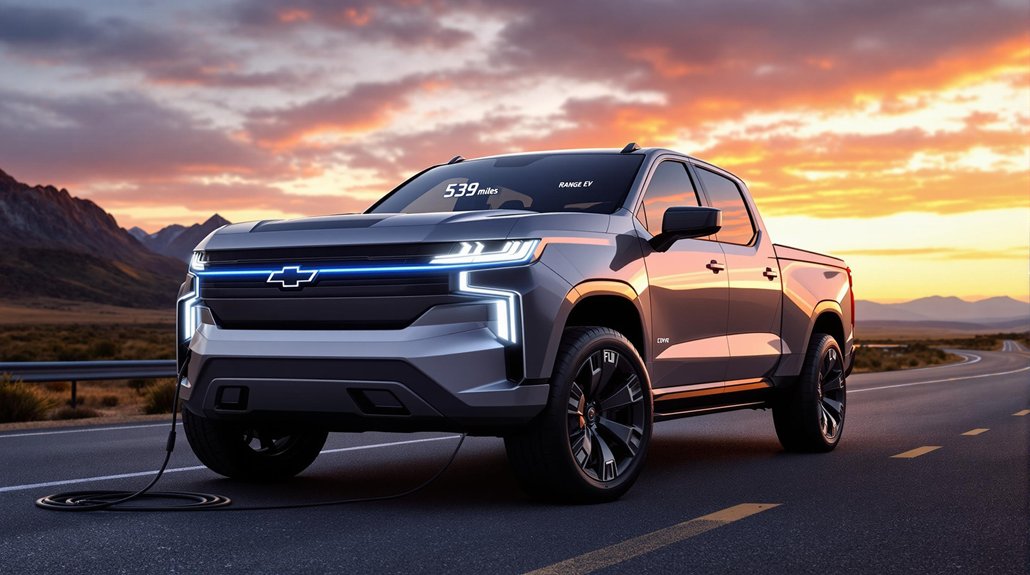
While Tesla’s Cybertruck continues to dominate headlines with its polarizing design and production delays, a formidable challenger has emerged from Michigan’s automotive heartland. Slate Auto, backed by Amazon founder Jeff Bezos and armed with over $100 million in funding, is developing a compact electric pickup with a revolutionary $25,000 price tag—less than half the cost of most competitors.
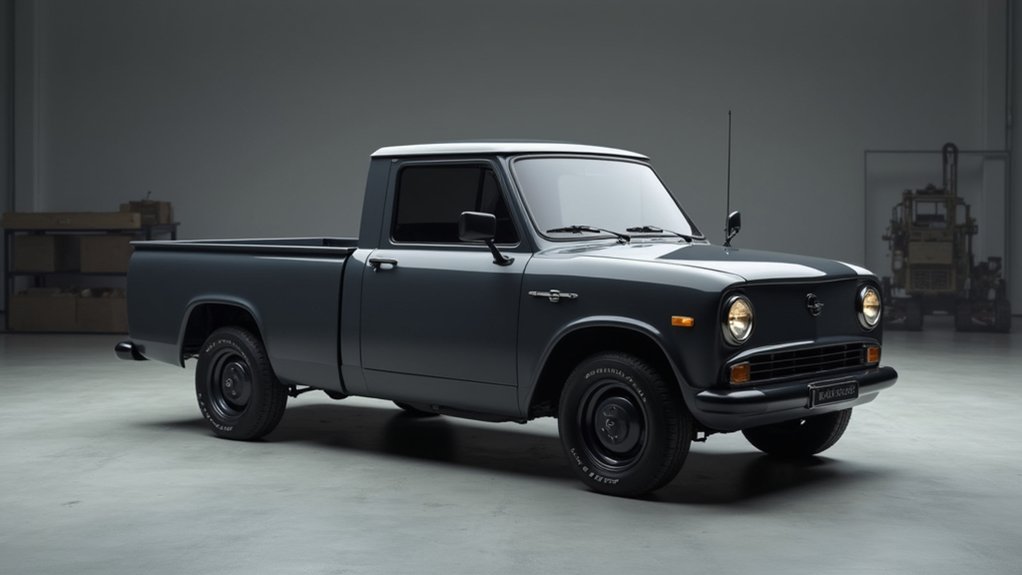
Founded in 2022 by former Rivian executives, Slate brings genuine EV truck expertise to the table. Their strategy diverges sharply from Tesla’s futuristic approach, embracing traditional truck aesthetics with round headlights and conventional body lines. I’ve seen numerous attempts at reinventing the pickup, but Slate’s two-door, two-seater configuration demonstrates a clear understanding of utilitarian needs while cleverly reducing manufacturing complexity.
Slate’s traditional approach to truck design proves simplicity and utility still trump flashy innovation in the evolving EV landscape.
The company’s pricing strategy hinges on smart sourcing—utilizing third-party battery packs and electric motors rather than developing proprietary components. This approach should accelerate their path to market, with production likely beginning near Indianapolis by late 2026. The recent sighting of a prototype with dark grey finish outside Slate Auto’s design studio in Long Beach confirms tangible development progress. The base model will feature a smaller battery offering approximately 100 miles of range, while upgraded variants will exceed 200 miles, delivering ample torque for typical truck tasks. The upcoming electric pickup is scheduled to make its official debut on April 24.
Slate’s business model extends beyond vehicle sales, incorporating high-margin accessories and branded merchandise through their “Slate University” program. This diversification could provide essential revenue streams during initial production ramp-up.
The competitive landscape remains formidable, with Tesla, Rivian, Ford, and GMC fielding premium electric pickups above $50,000. However, Slate targets an entirely different demographic—cost-conscious consumers and small businesses seeking practical electric utility without luxury pricing.
Manufacturing will occur in the Midwest, leveraging regional supply chains and automotive expertise. The streamlined design and reduced part count should enable efficient production scaling once operations begin. The pickup will feature regenerative braking technology that captures energy during deceleration to extend driving range.
Slate’s approach represents a calculated gamble—that sufficient demand exists for a no-frills electric pickup at an accessible price point. If successful, they may capture a significant market segment that premium manufacturers have overlooked.