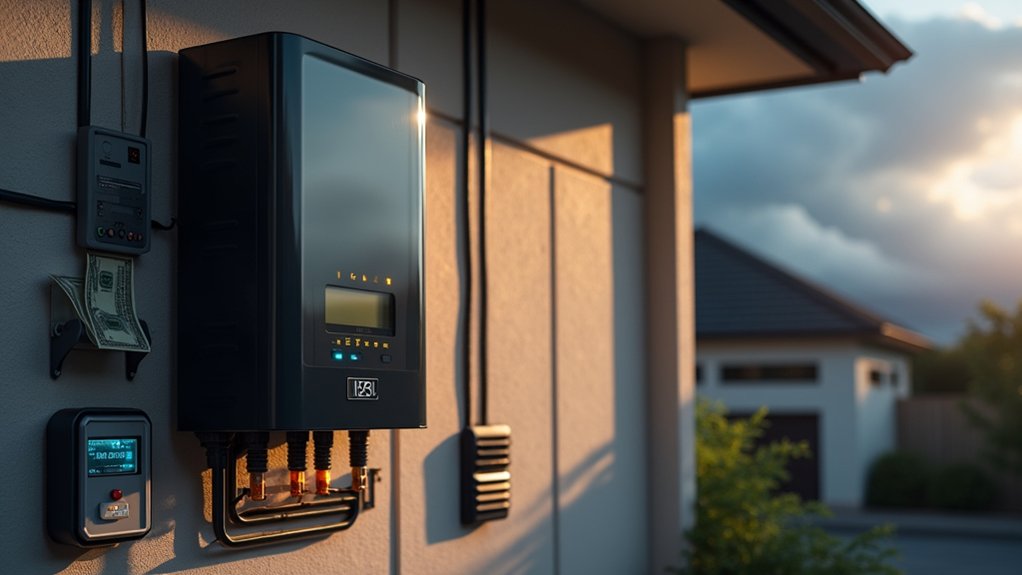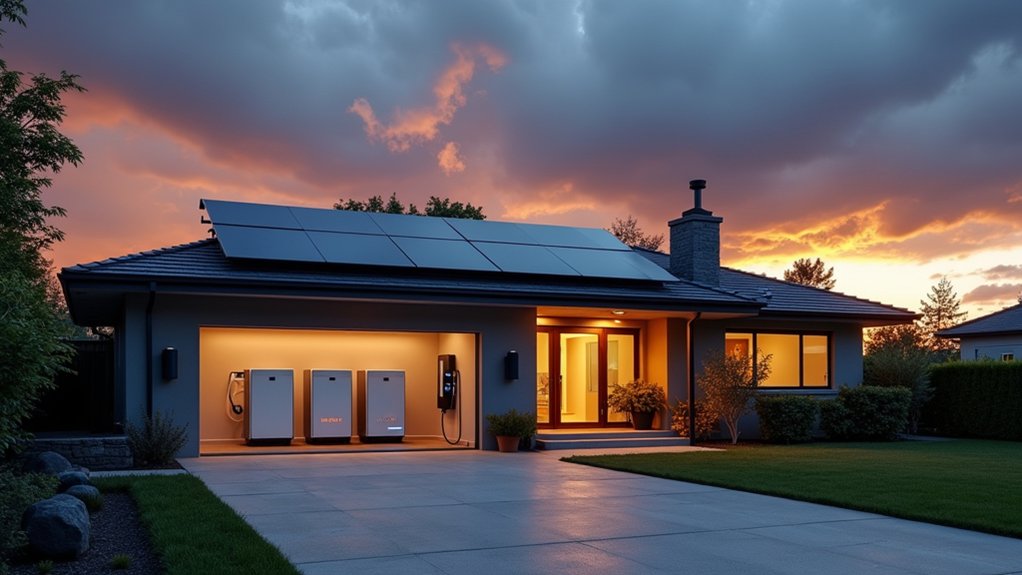

How rapidly is the solar storage landscape transforming as we move through 2025? The retrofit market has accelerated dramatically, with thousands of existing solar installations adding battery systems to enhance functionality. This integration trend spans both residential complexes and commercial facilities, driven largely by persistent grid reliability issues. Existing solar projects are increasingly being retrofitted with co-located batteries to improve resilience and functionality.
The technology powering this shift has seen remarkable advancement. Lithium-ion chemistry has achieved higher energy density while flow batteries have carved out their niche in larger-scale applications requiring longer duration storage. The newest Bluetti EP900 systems deliver 30% more capacity than market leaders from just two years ago, a reflection of the industry’s innovation velocity. With a modular design, the Bluetti EP900 allows homeowners to customize their energy capacity without having to purchase entirely new systems.
Cost remains the central consideration for most potential adopters. While we’ve observed battery prices stabilizing with modest 5-10% fluctuations throughout 2025, the era of dramatic cost reductions appears to have temporarily plateaued. A complete residential system still represents a significant investment, typically $15,000-30,000 depending on capacity requirements and installation complexity.
Performance metrics continue improving across key parameters. Round-trip efficiency now regularly exceeds 90% in premium systems, while advanced battery management systems have extended cycle life substantially. I’ve tested several units that maintain 80% capacity after 4,000 cycles, a significant improvement over previous generations.
The environmental equation is increasingly favorable. Enhanced recycling infrastructure has addressed end-of-life concerns, though certain chemistries still contain potentially hazardous materials requiring proper handling.
The payback calculation varies tremendously by location. Households in high-electricity-cost regions with robust incentives may achieve return on investment within 7 years, while others might wait 15+ years to break even. Time-of-use optimization can shorten this timeline considerably.
Are solar batteries overhyped? The answer depends entirely on individual circumstances. For those seeking resilience against increasingly common grid disruptions, they deliver genuine value. For purely economic motivations, the case remains nuanced and regionally dependent. The technology works impressively, but the financial proposition requires careful analysis.