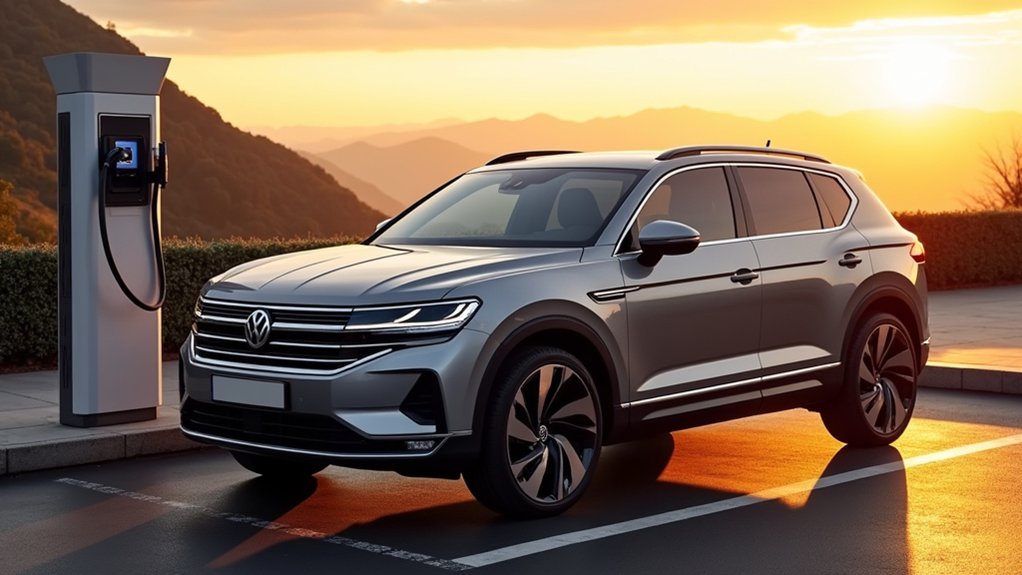

While European automakers navigate the complex change to electrification, Volkswagen has revealed its strategic expansion into range-extender plug-in hybrid vehicles for the European market. The German manufacturer is introducing next-generation PHEV models, including variants in the new Tayron SUV lineup, which sits between the Touareg and Tiguan in the company’s hierarchy. This approach represents a pragmatic middle path during the critical period between combustion engines and fully electric vehicles.
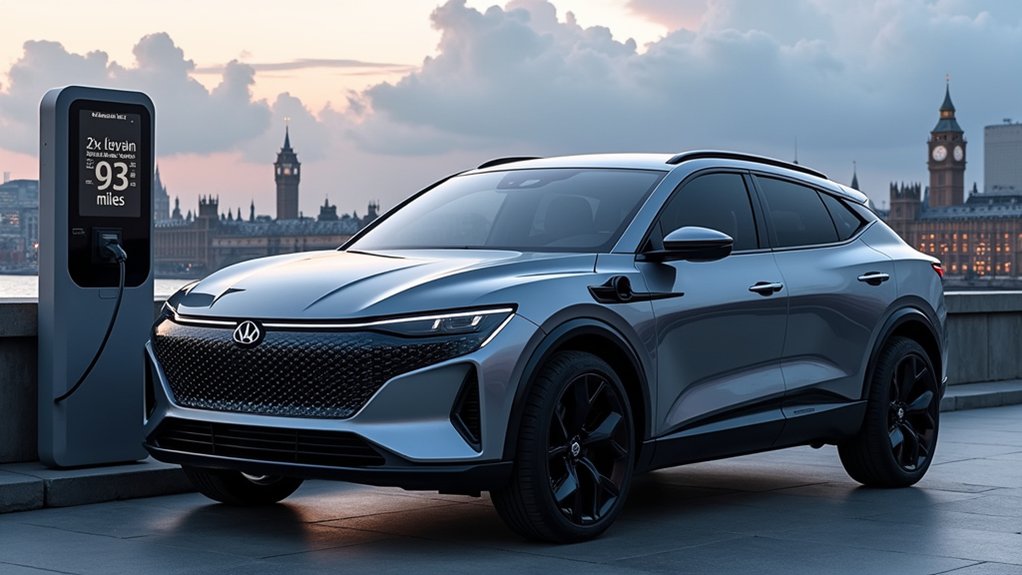
The technical specifications of Volkswagen’s range-extender PHEVs are genuinely impressive. These vehicles achieve electric-only ranges exceeding 100 kilometers per charge, while their total operational range approaches 850 kilometers between refueling stops. Importantly, the combustion engine never directly powers the wheels but serves solely as a generator for the electric propulsion system—a distinction that separates these models from conventional hybrids.
Volkswagen’s new PHEVs deliver 100+ km electric range with engines serving only as generators—truly bridging the gap between combustion and electric vehicles.
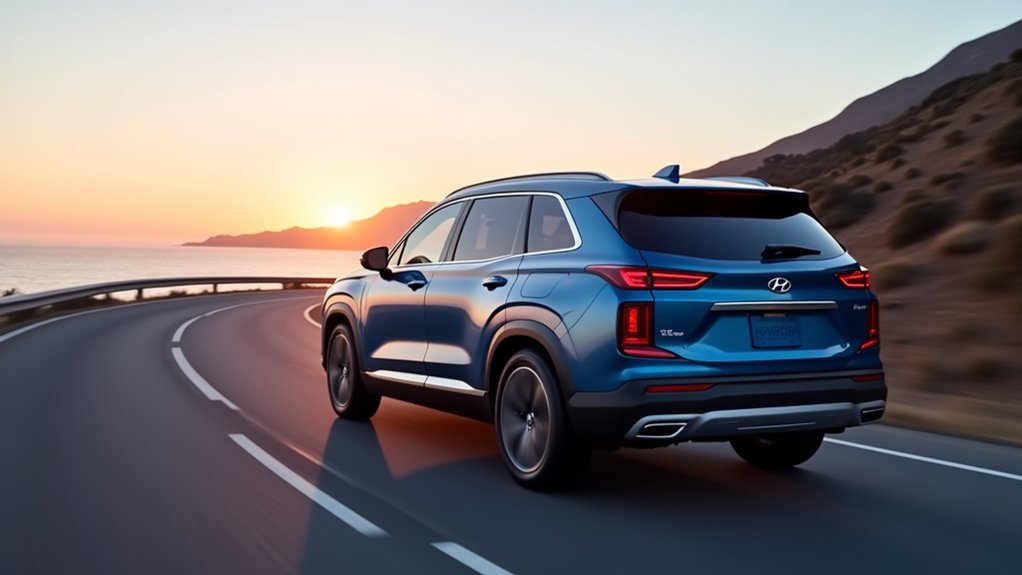
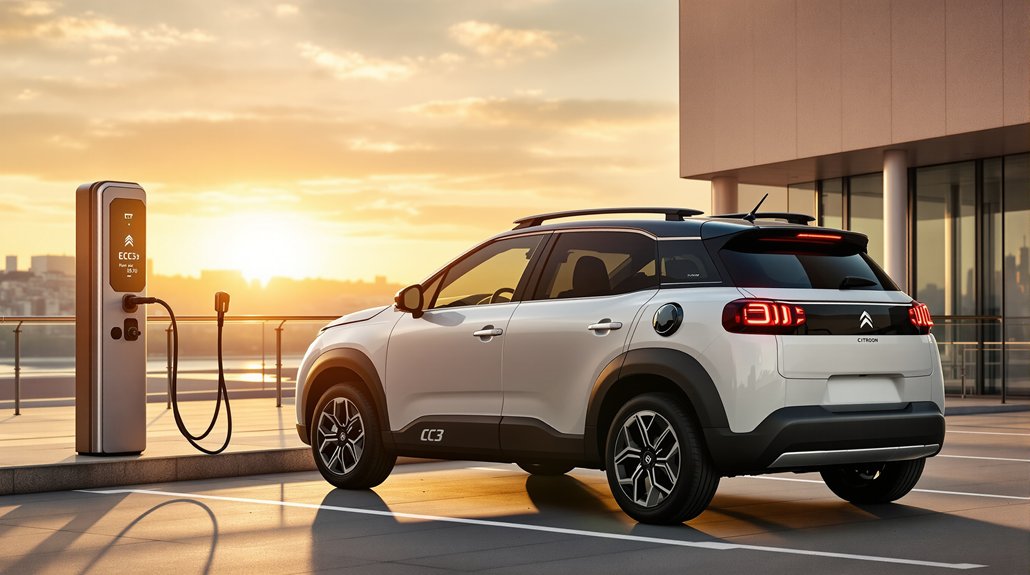
Volkswagen’s Tayron exemplifies this new direction, offering both 5- and 7-seat configurations with a towing capacity of up to 2.5 tonnes. The entry-level “Life” trim of the Tayron PHEV starts at €45,475, positioning it as a premium yet accessible option in the European market. The Tayron includes a robust 19.7 kWh net battery that supports charging at both AC stations up to 11 kW and DC stations up to 50 kW.
I’ve observed similar range-extender concepts gaining traction among manufacturers in China, though Volkswagen’s implementation appears particularly refined. This strategy could help address charging infrastructure challenges that continue to inhibit full EV adoption across Europe.
The timing of this strategy aligns with Volkswagen’s broader electrification roadmap, which balances continued internal combustion offerings until 2026 with the development of affordable EVs. This hybrid approach serves both regulatory requirements for lower emissions and diverse European consumer needs. The company offers comprehensive 8-year warranty coverage for the lithium-ion batteries, protecting customers against capacity reduction over time.
The Paris Motor Show (Mondial de l’Auto) in October 2024 will mark the public debut of the Tayron PHEV.