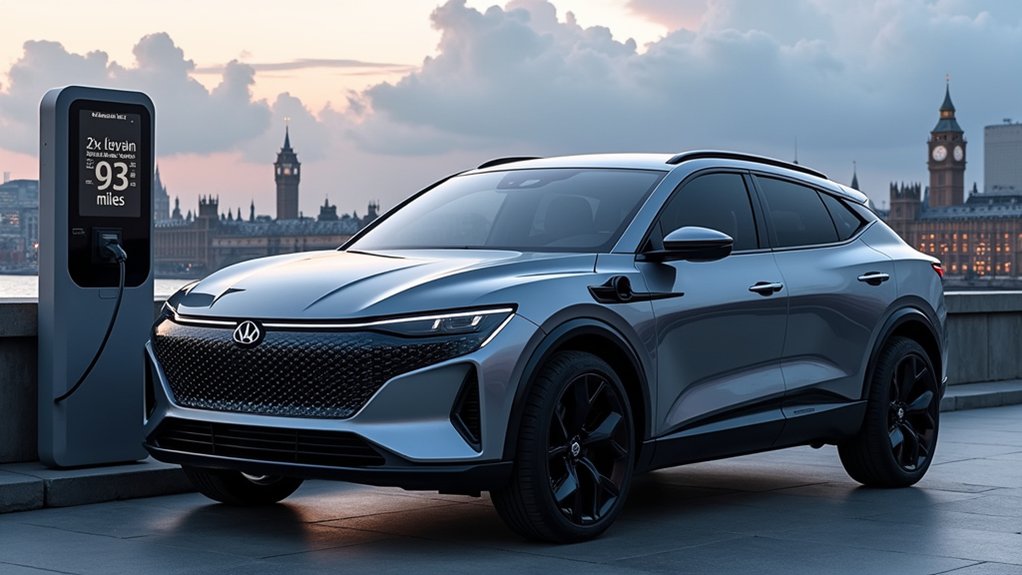
While most plug-in hybrids struggle to deliver meaningful electric-only range, the Omoda 9 has arrived to reset expectations in the UK market. This flagship SUV from Chinese automaker Omoda boasts an impressive 93-mile fully electric range, pushing well beyond what most competitors offer. I’ve noticed that even established players like the VW Golf eHybrid (92 miles) and Audi A3 TFSIe (88 miles) fall short of what this newcomer delivers.
The technical specifications tell a compelling story. Combining a 1.5-litre turbocharged petrol engine with dual electric motors and a substantial 34.46kWh battery, the Omoda 9 generates 443hp and 516lb-ft of torque. This translates to brisk acceleration, completing the 0-62mph sprint in just 4.9 seconds. The Omoda 9 comes with a reassuring seven-year warranty that covers up to 100,000 miles, plus an eight-year battery warranty for additional peace of mind. The total driving range exceeds 700 miles when utilizing both power sources, making range anxiety a non-issue for most journeys.
Practicality merges with technology through the vehicle’s 70kW fast-charging capability, allowing a full battery recharge in approximately 30 minutes. The Super Hybrid System guarantees seamless shifts between electric and combustion power, while six distinct driving modes adapt to various conditions: Eco, Normal, Sport, Mud, Snow, and Off-Road.
Inside, the Omoda 9 distinguishes itself with a 24.6-inch dual-function display and Sony 14-speaker surround sound system. Cooled seats with integrated speakers further emphasize its premium aspirations. The vehicle also features a spectacular 1.3-meter sunroof that floods the cabin with natural light.
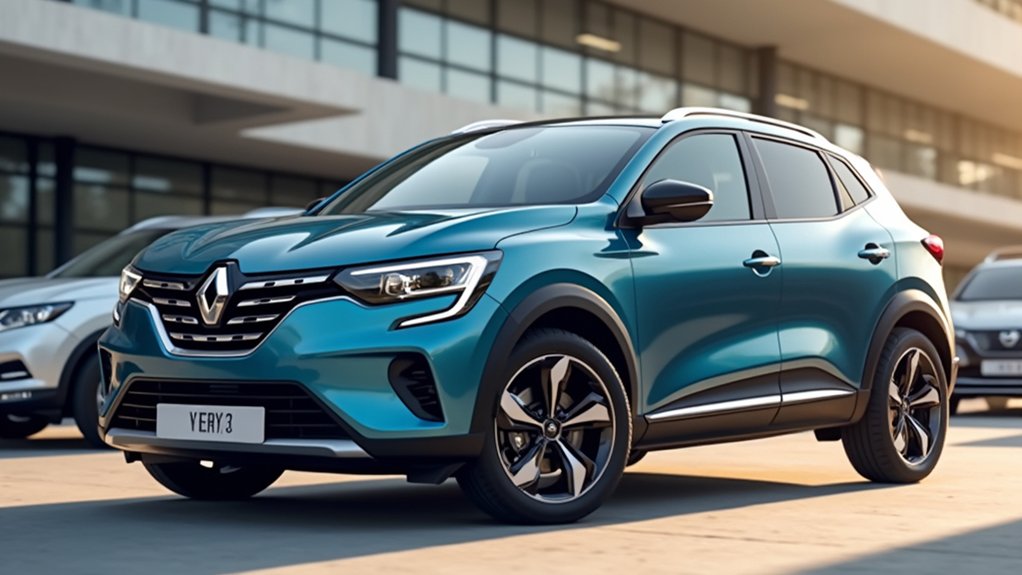
The exterior adopts aerodynamic principles with its sloping roofline and diamond-effect grille that wouldn’t look out of place in luxury segments. For convenient charging at home, owners can install a Level 2 charger that would significantly reduce charge times compared to standard outlets.
Priced from £44,990, the Omoda 9 positions itself as a value proposition against established premium hybrids. CO2 emissions of 40g/km classify it as a low-emission vehicle, though not in the lowest tax band.
The combination of range, performance, and features may well establish this newcomer as a formidable competitor in the increasingly crowded UK plug-in hybrid market. The question remains whether brand recognition will catch up with its technological prowess.