As the United Kingdom grapples with the complexities of an energy crisis, the role of electric vehicles has emerged as both a potential solution and a challenging variable in the equation. With the UK’s current battery storage capacity at 4.6GW/5.9GWh as of June 2024, the integration of electric vehicles into the national grid represents an untapped resource of considerable magnitude.
The rapid expansion of battery storage projects across the nation, with over 1,000 BESS projects in the pipeline, demonstrates the growing recognition of energy storage‘s vital importance. EDF Renewables‘ development of six energy storage projects totaling 307MW capacity exemplifies this trend, deploying advanced technology to integrate renewable generation cost-efficiently.
The UK’s energy storage revolution accelerates with 1,000+ BESS projects showcasing its critical role in tomorrow’s power infrastructure.
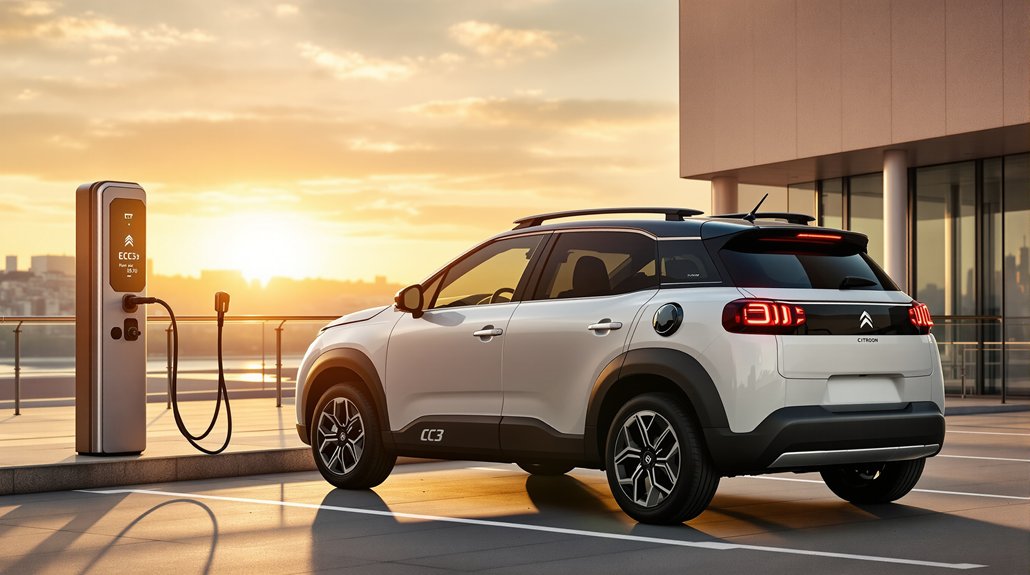
Electric vehicles, functioning fundamentally as mobile battery units, could theoretically provide significant backup power during grid failures. The UK government’s target of 30GW operational capacity by 2030 would create a robust infrastructure where EVs could serve as distributed energy resources. Smart charging solutions implement load balancing capabilities that optimize power distribution during peak demand periods. In a major outage scenario, a modest fleet of connected EVs could power thousands of homes for several days. The planned phase-out of ICE vehicles by 2035 will accelerate the availability of these mobile power sources.
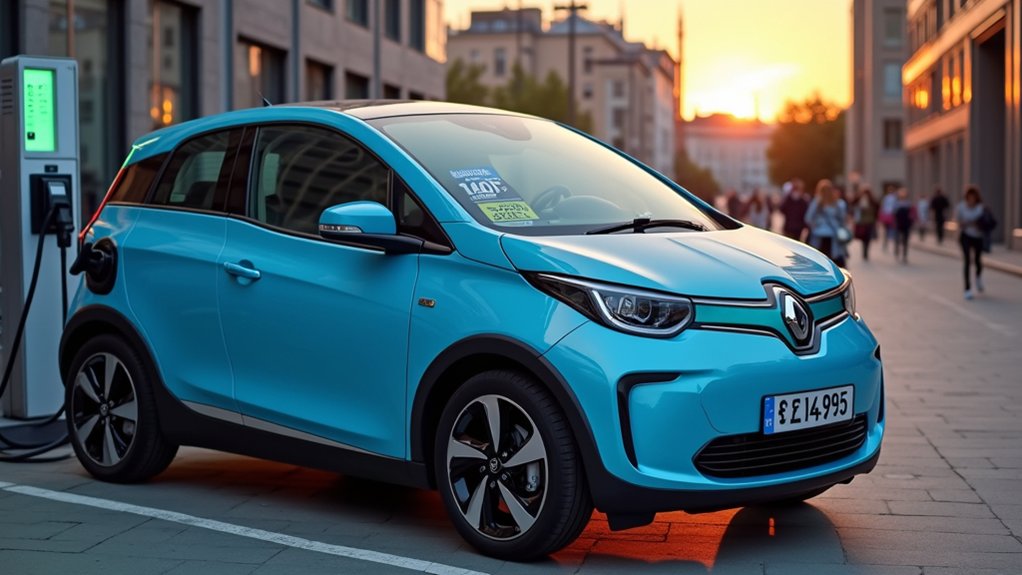
Vehicle-to-grid (V2G) technology, while still emerging, transforms cars from mere transportation into dynamic grid assets. The integration challenges remain substantial, however. The current 2GW of EV battery manufacturing capacity falls dramatically short of the announced 65GW pipeline.
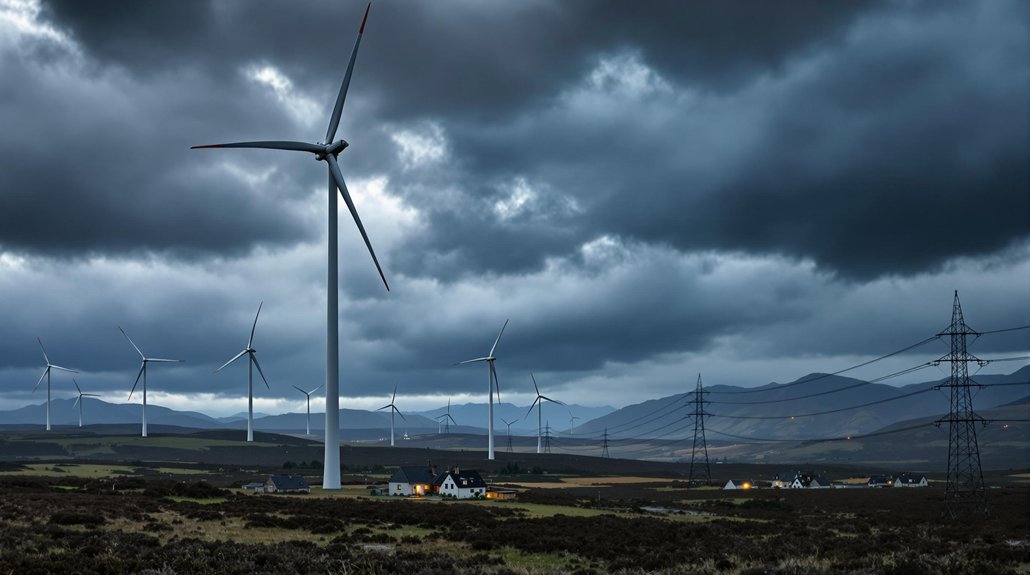
Co-location strategies, particularly with solar installations which currently represent 20% of planned storage capacity, enhance the resilience of this distributed power model. The projected increase from 10GWh in 2022 to 200GWh by 2040 in electricity demand from EVs will significantly impact grid management strategies. These integrated systems address the intermittency issues inherent to renewable energy sources—a vital consideration for grid stability.
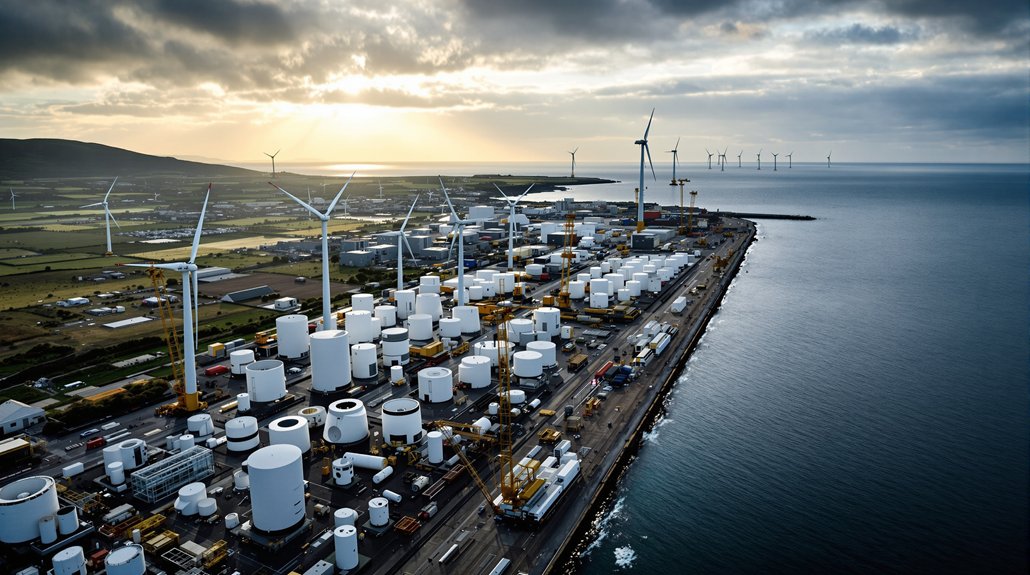
The economic implications extend beyond merely keeping lights on. Each gigafactory represents a multi-billion pound capital investment, creating jobs while strengthening energy independence. As battery technologies mature, the cost-benefit calculation becomes increasingly favorable.
The vision of electric vehicles serving as emergency power sources isn’t merely theoretical. With appropriate infrastructure investment and regulatory frameworks, the UK’s growing electric fleet could indeed become a vital safeguard against prolonged energy crises, transforming vulnerability into resilience through distributed power storage.