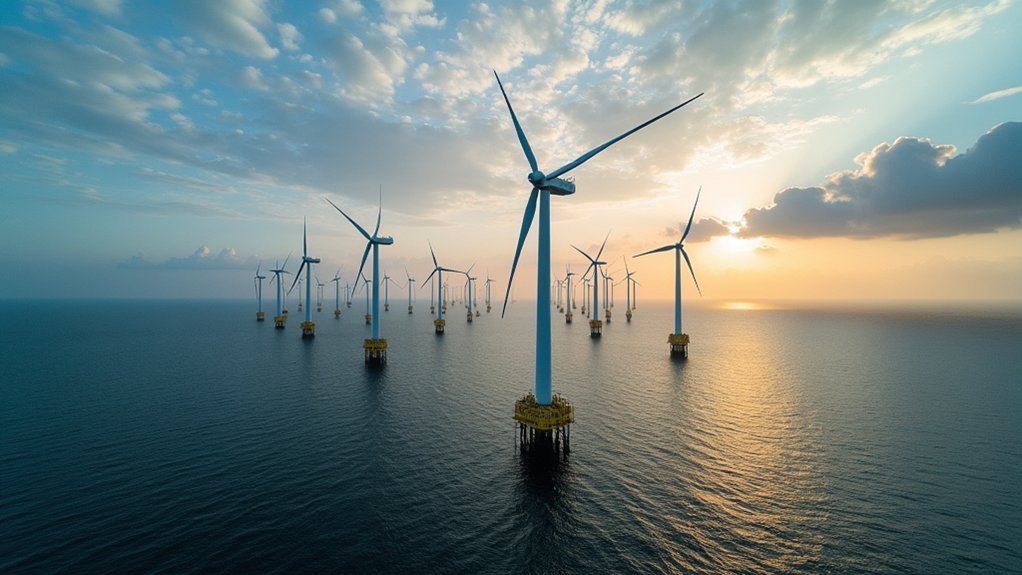
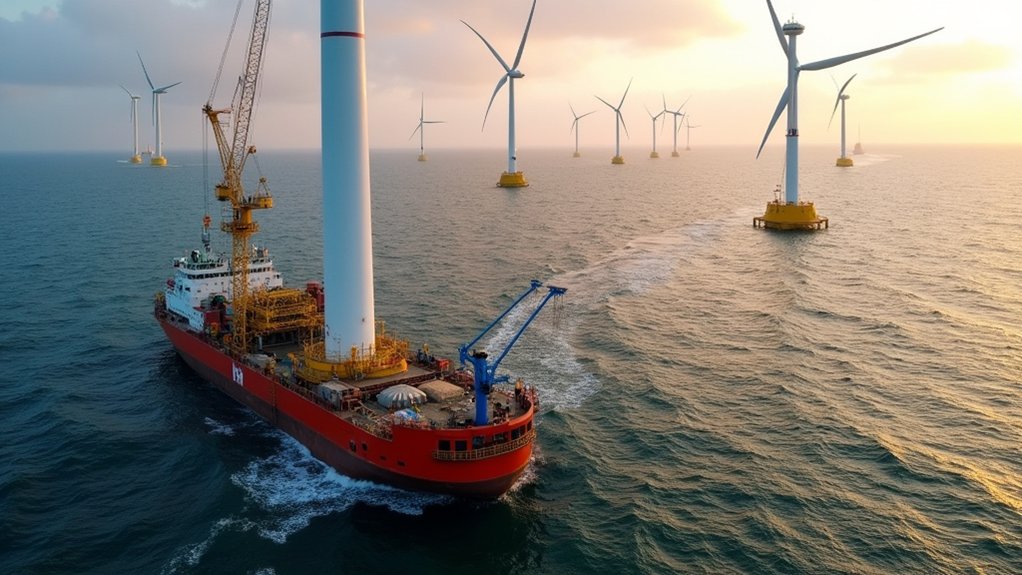
Numerous engineering firms have entered the offshore wind sector, but few possess the extensive expertise of Jörss-Blunck-Ordemann GmbH (JBO). With over 60 years of history in structural engineering, JBO shifted toward renewable energy in 2014, bringing decades of structural analysis experience to the burgeoning offshore wind industry. Their team of 80+ professionals now stands at the forefront of Germany’s ambitious renewable energy transformation.
JBO’s thorough approach to offshore structure design sets them apart from competitors. Their holistic methodology integrates geotechnical assessment, load calculation, and structural dynamics—disciplines that, when properly coordinated, yield optimized support structures. The company’s recent selection for Luxcara’s Waterkant and Waterekke wind farms demonstrates industry recognition of their specialized capabilities.
The firm’s technological infrastructure underpins their success in handling complex offshore projects. JBO recently adopted DNV’s Sesam software, enhancing their cloud-based structural analysis capabilities. This deployment, alongside existing tools like ANSYS, LS-DYNA, and proprietary code written in C/C++ and MATLAB, enables precise modeling of structural behaviors under harsh marine conditions.
EnBW’s choice of JBO for their 1 GW offshore wind farm speaks volumes about the firm’s reputation. Such massive installations require meticulous load engineering and structural integrity verification—areas where JBO’s 40+ years of experience prove invaluable. I’ve observed few engineering consultancies with comparable depth in offshore expertise.
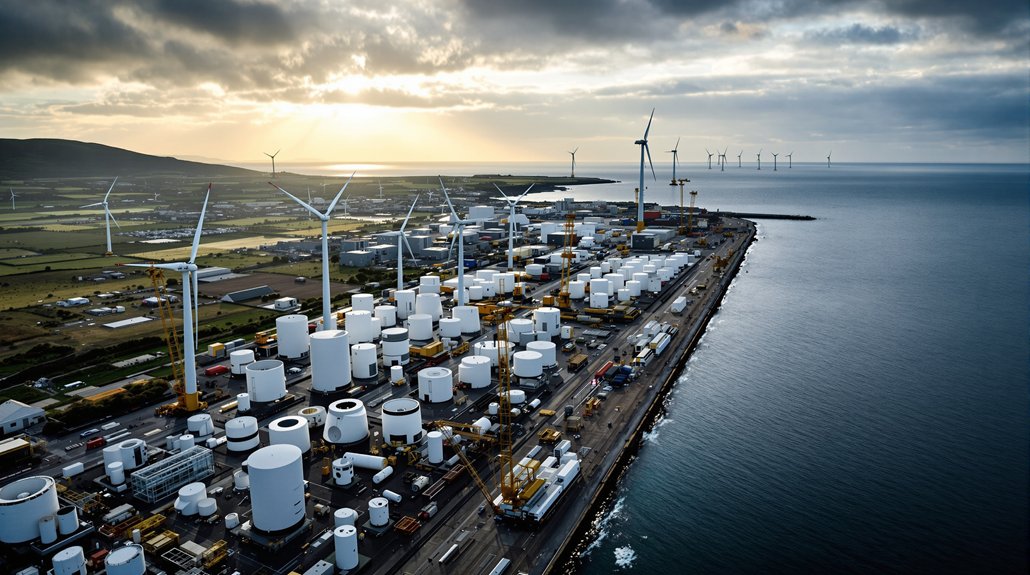
JBO’s involvement in updating German offshore wind standards, particularly DIN 18088, positions them as not merely practitioners but also shapers of industry best practices. Their contributions to technical standards guarantee compliance while driving innovation in structural design methodologies. JBO’s foundation design work for the Waterkant project will support 16 massive turbines that will collectively provide clean energy to approximately 400,000 households.
The economics of offshore wind depend heavily on optimized substructures, which represent approximately 25% of total installation costs. JBO’s specialized knowledge in jacket design, grouted connections, and support structures helps developers achieve cost-efficient solutions without compromising reliability. Their team has also developed significant expertise in seismic analyses for wind farms in earthquake-prone regions like Taiwan and South Korea.
Their expanding portfolio of high-profile projects signals growing recognition of JBO’s vital role in Germany’s renewable energy landscape.