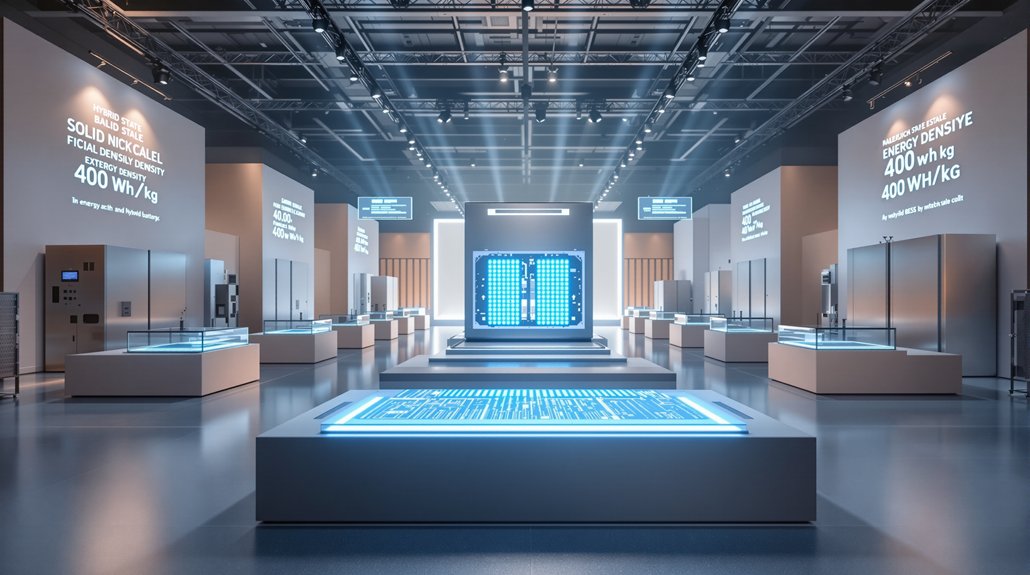

As Europe continues to position itself at the forefront of the energy shift, Battery Tech Europe 2026 is set to showcase groundbreaking developments across the energy storage landscape. The Barcelona event will reveal solid-state battery innovations boasting energy densities exceeding 400 Wh/kg—roughly 70% higher than current lithium-ion technologies. These advancements address vital safety concerns while delivering extended cycle life, potentially revolutionizing both EV and stationary applications.
Lithium-sulfur and sodium-ion chemistries will take center stage, with manufacturers highlighting cost reductions of 30-40% compared to conventional cells. I’ve tracked these technologies for years, and their maturation represents a significant step toward alleviating resource constraints that have plagued the industry. Particularly impressive are the high-nickel, cobalt-free cathodes being demonstrated, which maintain performance while eliminating problematic supply chain dependencies.
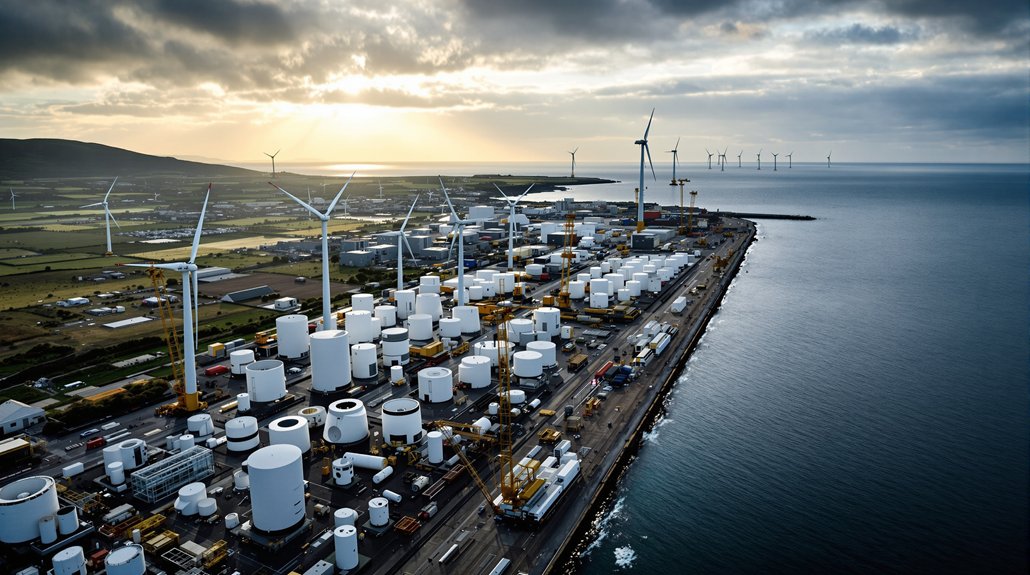
Grid-scale solutions will feature prominently, with multi-day storage systems capable of delivering 100+ MWh of capacity. These BESS installations, optimized for frequency regulation and peak shaving, integrate seamlessly with renewable generation, supporting Europe’s ambitious 2030 climate targets. The latest hybrid systems, combining lithium technologies with flow batteries, offer unprecedented flexibility for grid operators.
Manufacturing innovations, including AI-driven quality control systems reducing defect rates to below 10 ppm, will demonstrate Europe’s commitment to battery sovereignty. Fully automated production lines, capable of producing 30 GWh annually with minimal human intervention, showcase the continent’s industrial prowess. The event will facilitate exclusive networking events for industry leaders to forge strategic partnerships and explore collaboration opportunities.
Closed-loop recycling processes recovering up to 98% of critical materials will feature prominently, addressing the EU Battery Directive‘s stringent requirements. The event provides a crucial platform for knowledge transfer of innovations from research institutions to market applications. Digital passport systems enabling real-time tracking of battery components from raw material to end-of-life will be operational demonstrations, not mere prototypes.
The event highlights next-generation BMS platforms utilizing machine learning algorithms that extend battery life by 20-30% through optimized charging protocols and predictive maintenance. These systems, with millisecond response times, represent the intelligent backbone of Europe’s energy evolution, ensuring maximum asset utilization while maintaining grid stability.