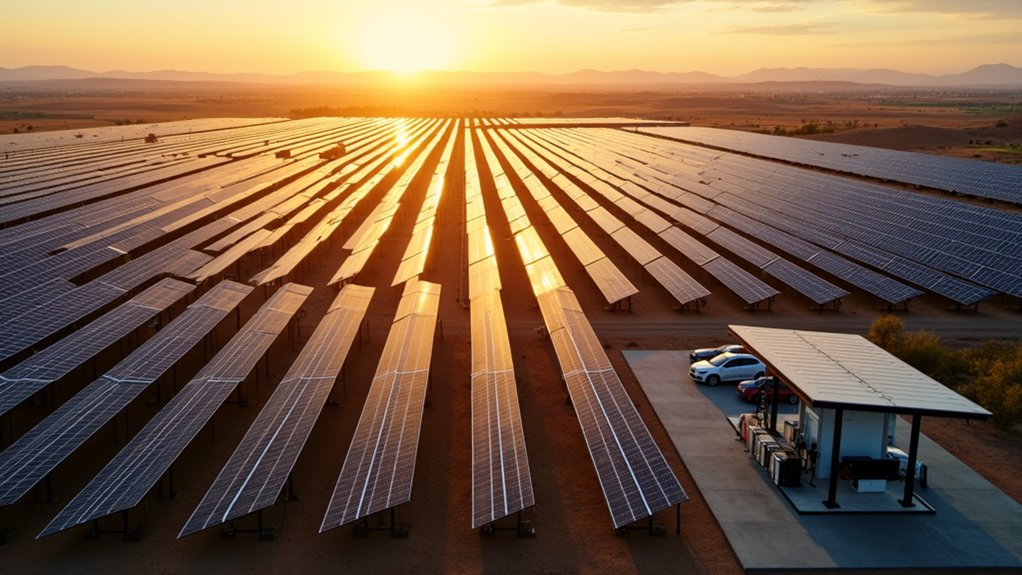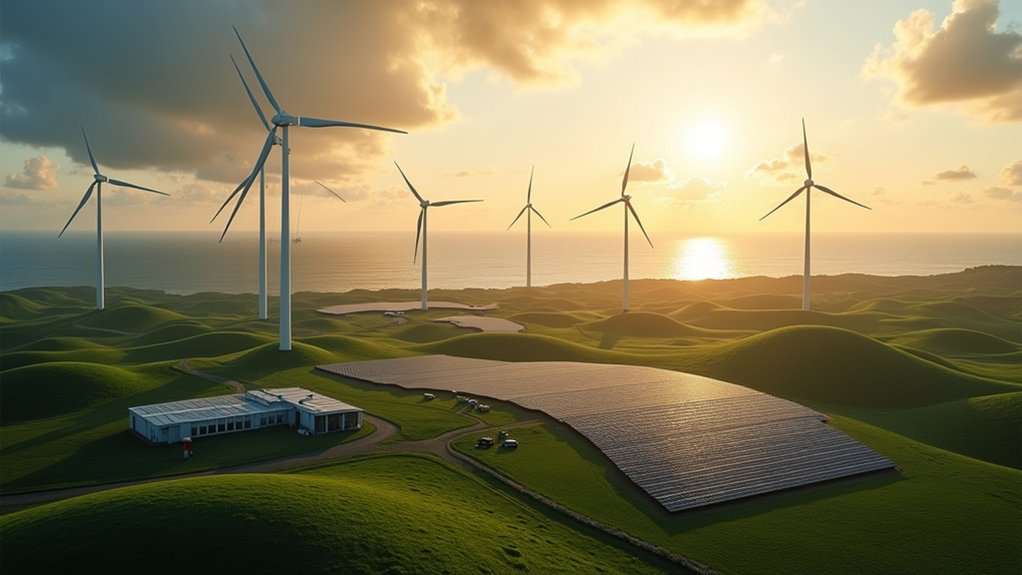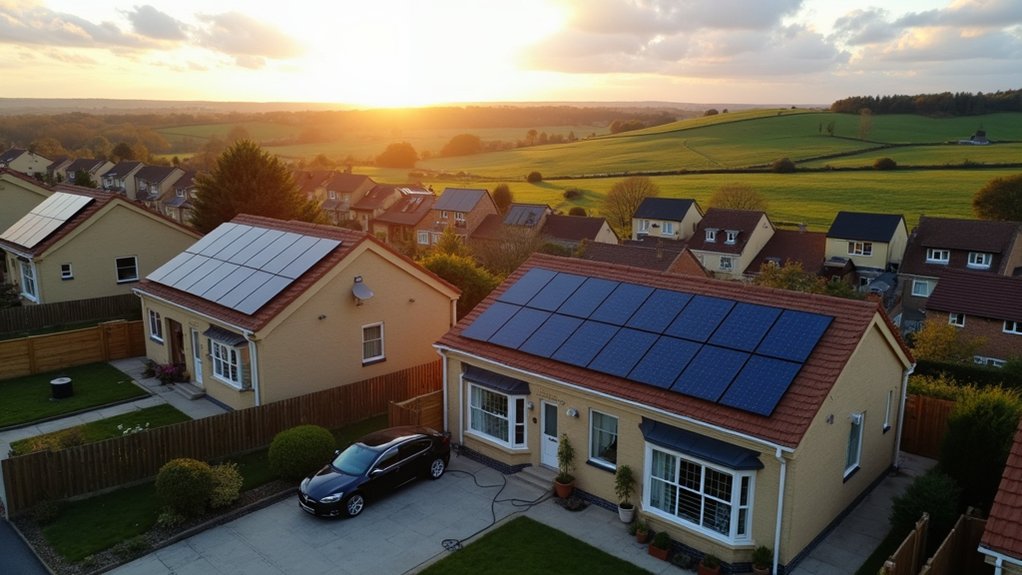

A surge in renewable energy adoption has transformed Wiltshire and Swindon into regional solar power strongholds since 2022. The Solar Together initiative, operating in partnership with iChoosr, has catalyzed remarkable growth through its group-buying model that delivers competitive pricing to residents. The numbers tell a compelling story—over 1,581 installations completed between 2022 and 2023, generating 5.9MW of renewable capacity and preventing approximately 29,500 tonnes of carbon emissions over their operational lifetimes.
The program’s efficiency is striking. Since launch, Solar Together has accounted for 26% of all MCS-registered solar installations in the region, demonstrating significant market penetration. Resident participation has been robust, with more than 600 Swindon households alone joining the movement. The program offers no-obligation quotes for homeowners interested in transitioning to solar energy. The fourth round, slated for June 2025, promises to expand these impressive metrics further.
Solar Together drives over a quarter of Wiltshire’s renewable revolution with hundreds of Swindon homes already onboard.
I’ve examined the financial implications closely. The collective £16 million private investment by residents represents a substantial commitment to renewable infrastructure. The group-buying mechanism delivers economies of scale unattainable for individual purchasers, while pre-vetted providers guarantee installation quality. Battery storage options further optimize self-consumption efficiency, a vital factor in achieving grid independence. Last year’s participants benefited from an impressive 39% discount compared to typical market prices for solar panel systems.
Customer response has been remarkably positive, with minimal support requests—just 2.5% of participants seeking assistance post-installation. This satisfaction level explains the repeat participation observed across multiple rounds of the initiative. The all-encompassing package options, including EV charging points and retrofitted battery solutions for existing solar users, provide flexibility that accommodates diverse household needs. Many residents have integrated their home solar installations as preferred charging solutions for their electric vehicles, further reducing their carbon footprint.
The regional impact aligns impressively with national trends. Against the backdrop of the UK’s solar expansion from 28,211 solar-equipped households in 2010 to 1.5 million by March 2025, Wiltshire and Swindon’s contribution is significant.
These installations directly support Wiltshire’s 2030 carbon neutrality ambitions and Swindon’s Greener Swindon initiative, positioning the region as a model for effective community-led renewable energy changes. The environmental dividends, combined with resident cost savings, demonstrate the multifaceted benefits of this regional solar transformation.