
In a watershed moment for electric vehicle adoption, EV battery pack prices have plunged by a remarkable 20% in 2024, marking the steepest annual decline since 2017. This dramatic drop accelerates the trajectory from $153/kWh in 2022 to $149/kWh in 2023, now reaching approximately $111/kWh.
I’ve tracked these price movements for years, and this decline represents a critical inflection point for the entire automotive industry.
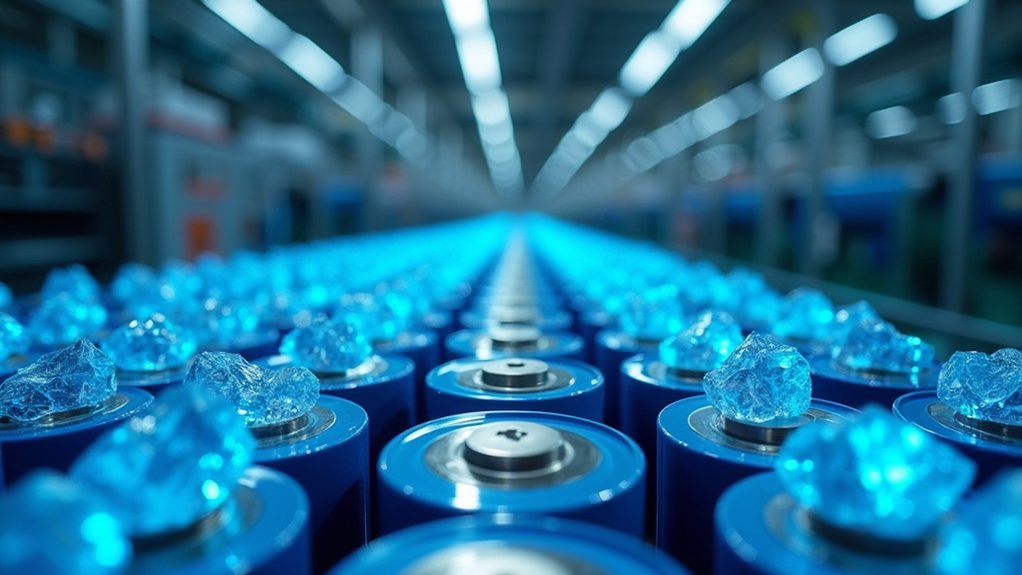
The price collapse stems primarily from cheaper lithium-iron-phosphate (LFP) batteries gaining market share. These cells sacrifice some energy density for considerably lower costs by eliminating expensive cobalt and reducing nickel content. Nearly half of the global EV battery market now consists of LFP batteries as manufacturers prioritize affordability.
BYD’s innovative Blade battery exemplifies this shift, targeting an additional 15% cost reduction with its next generation technology while simultaneously improving charging speeds.
Raw material costs have contributed substantially to the decline. Lithium prices have fallen nearly 20% this year, approaching 2015 levels, while cobalt and nickel have experienced similar downturns.
With raw materials representing approximately 60% of battery costs, these commodity price drops translate directly to cheaper batteries.
China’s manufacturing dominance remains unchallenged, producing 80% of global EV battery cells. CATL and BYD control over half the market with 36.7% and 16.4% shares respectively.
Their massive scale enables production efficiencies that Western manufacturers struggle to match, though competition is intensifying as new factories come online in Europe and North America. These manufacturers increasingly employ sophisticated thermal management systems to enhance battery longevity and maintain optimal operating temperatures.
Goldman Sachs projects average prices below $80/kWh by 2026—the threshold where EVs reach cost parity with internal combustion engines without subsidies.
This milestone would fundamentally reshape the automotive landscape.
Regional pricing variations persist. Chinese manufacturers enjoy the steepest declines due to localized supply chains and currency advantages.
Europe may see NCM811 cells decline faster than in China over time, though starting from a higher base.
For consumers, these price drops translate to more affordable EVs with improved range and charging capabilities.
The direct cell-to-pack design innovation is further accelerating cost reduction by increasing energy density while simplifying the overall battery structure.
The industry appears to be entering a virtuous cycle where increased production drives down costs, expanding the market beyond early adopters to mainstream buyers.