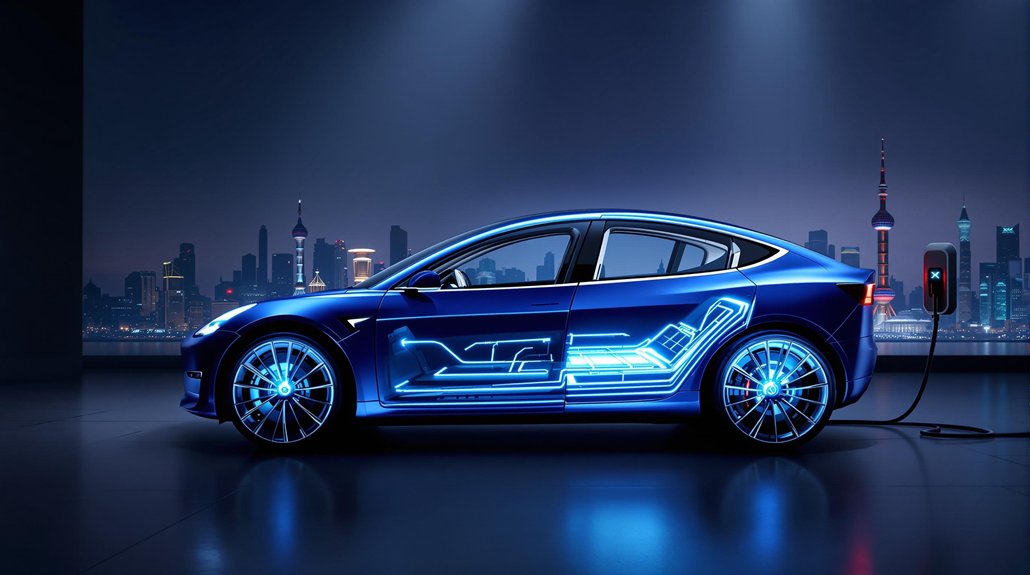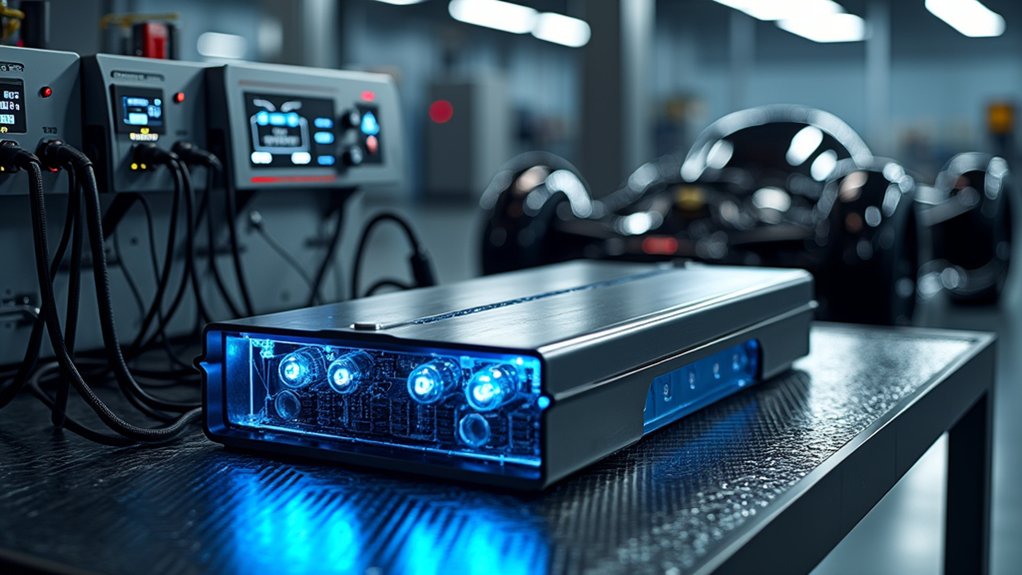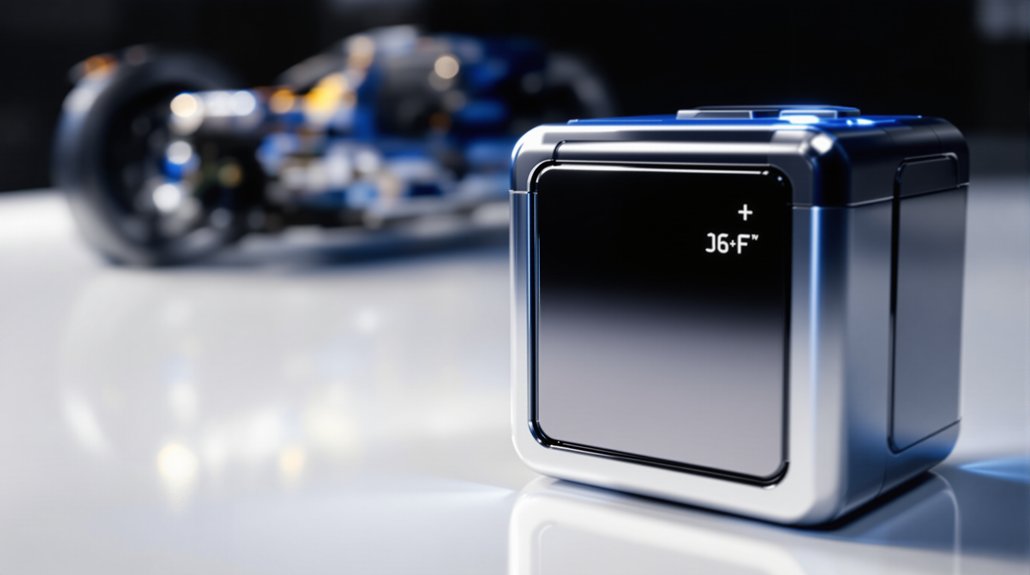

As the automotive industry races toward electrification, a technological revolution in battery development promises to eliminate the persistent challenges that have hampered widespread EV adoption. Solid-state batteries, replacing traditional liquid electrolytes with solid compounds, are poised to deliver unprecedented performance metrics that could fundamentally transform consumer perceptions of electric vehicles.
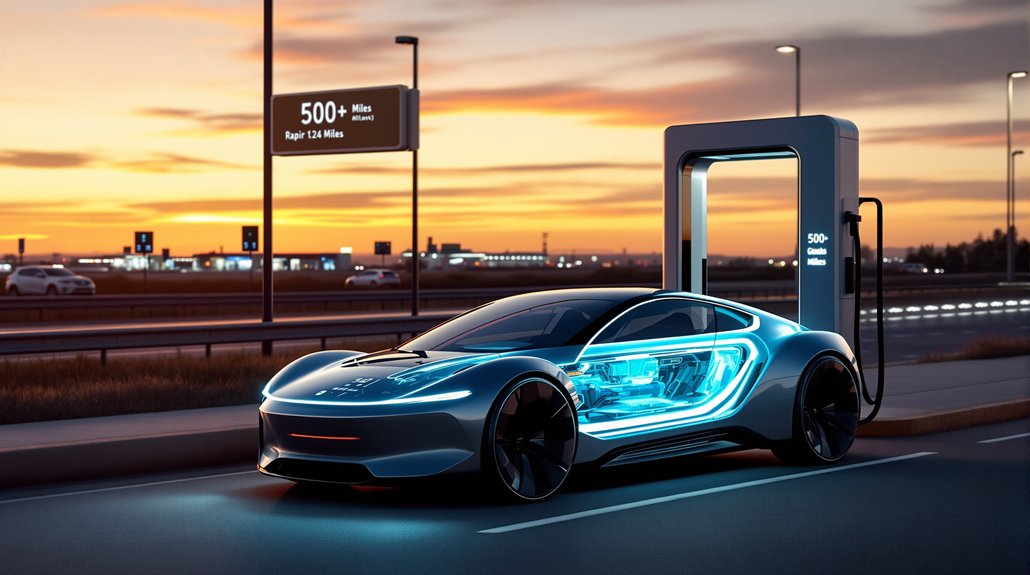
The most striking advancement comes in driving range capabilities. While today’s top EVs struggle to exceed 300-400 miles per charge, solid-state technology is demonstrating potential ranges beyond 500 miles. Huawei’s nitrogen-doped sulfide battery design is particularly remarkable, with patents suggesting up to 3,000 km (approximately 1,968 miles) under CLTC standards or 2,000+ km by EPA measurements. Such distances would effectively eliminate range anxiety, the psychological barrier that has kept many consumers tethered to combustion engines.
Range anxiety becomes a relic of the past as solid-state batteries push EV capabilities toward the 2,000-mile frontier.
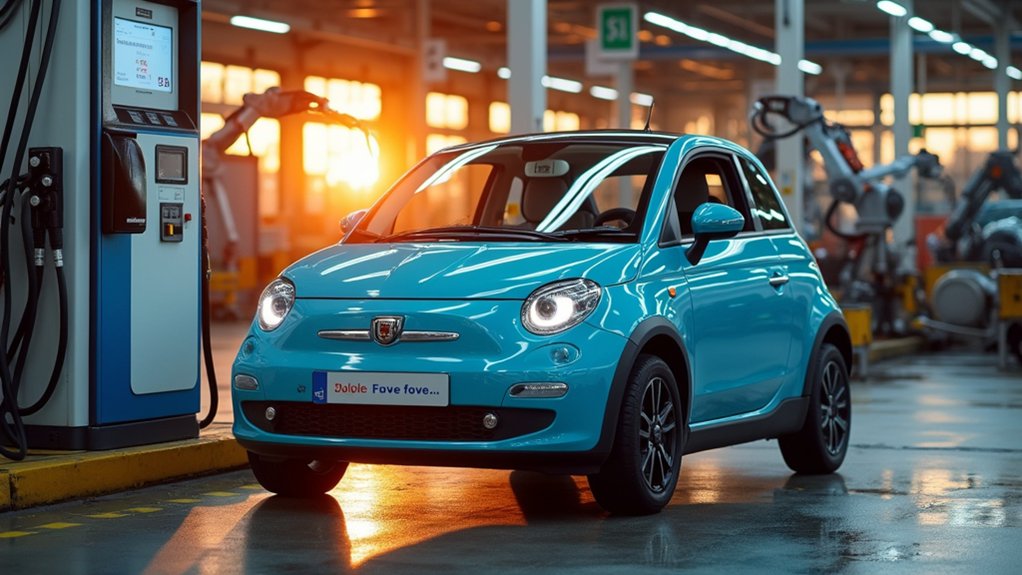
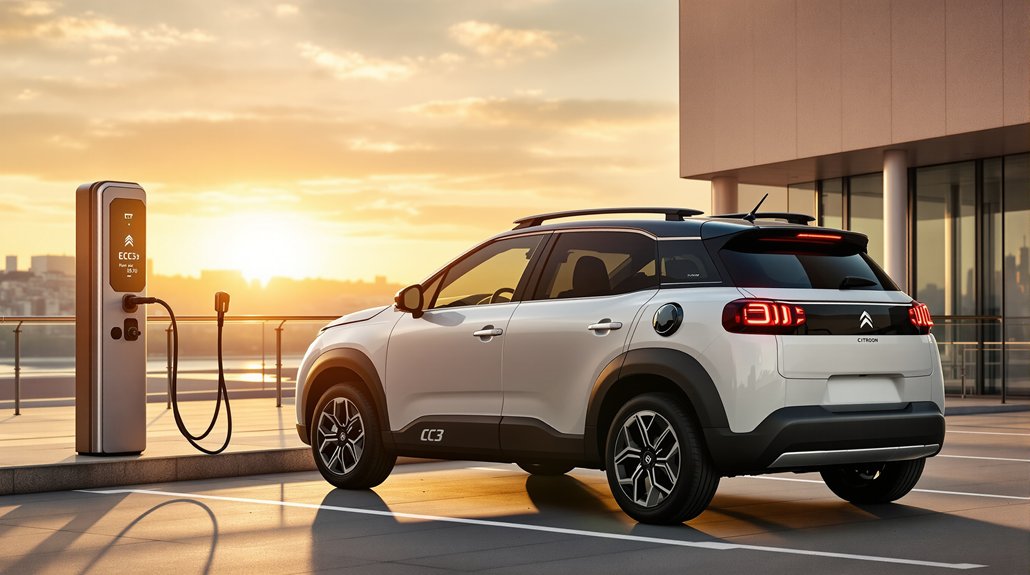
Charging times represent another quantum leap forward. Current quick-charging solutions typically require 30-45 minutes for an 80% charge, but solid-state prototypes are demonstrating 15-minute full charges. Some manufacturers, including Huawei, claim five-minute charging capabilities, though mass-market implementation faces practical hurdles. These accelerated charging speeds will revolutionize long-distance travel for EV owners, with future-proof stations already being installed by companies like Electrify America and Tesla.
The safety profile of these next-generation batteries cannot be overstated. Traditional lithium-ion cells remain susceptible to thermal runaway and fires, while solid electrolytes are inherently fireproof and stable across broader temperature ranges. The nitrogen-doping process enhances chemical stability, further improving safety and cycle life performance of these batteries. This enhanced safety will permit more flexible vehicle designs while reducing cooling system requirements. Partnerships like Mercedes-Benz with Factorial Energy are driving innovation to achieve 600-mile ranges on single charges.
Major automakers have recognized this paradigm shift. Toyota, Volkswagen, Ford, Hyundai, and BMW are investing heavily in solid-state technology, with commercial launches targeted between 2025-2028. The industry anticipates energy densities approaching 500 Wh/kg—double or triple current standards—which will enable lighter vehicles with superior performance characteristics.
For consumers, these advancements translate to electric vehicles that exceed combustion equivalents in every meaningful metric: range, refueling convenience, safety, and longevity. When solid-state batteries reach mass production, the era of compromise in electric mobility will finally end.