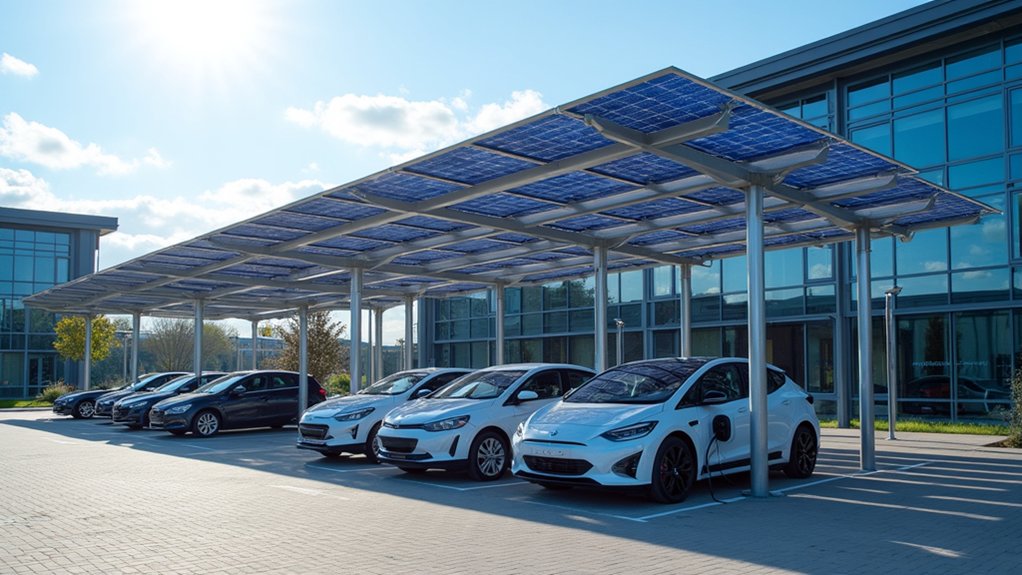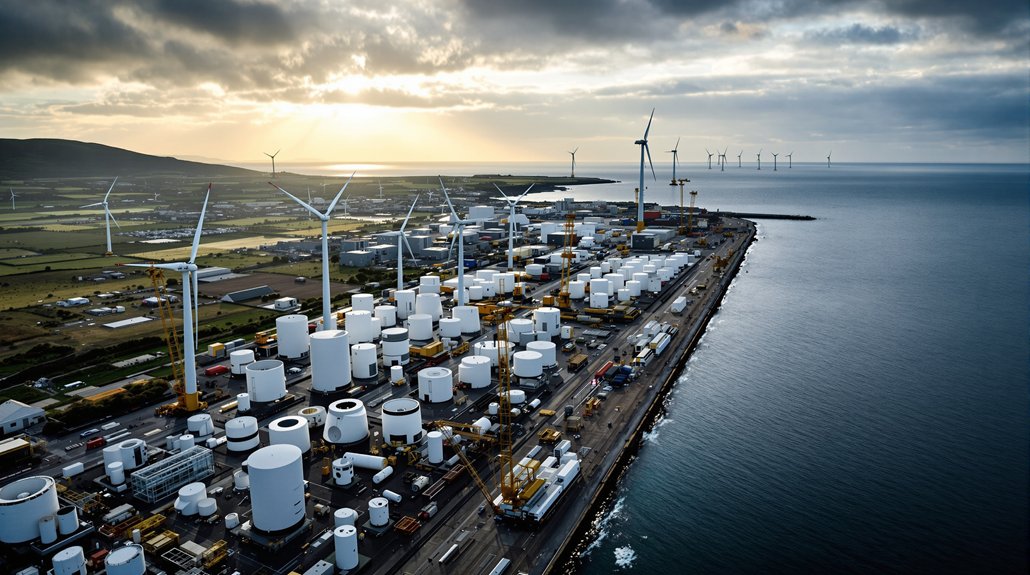

Britain has shattered its solar generation record, producing a remarkable 12.2 gigawatts of power between 12:30 and 13:00 on April 1, 2025. This milestone surpasses the previous peak of 11.5 GW set on June 2, 2024, marking a significant advancement in the nation’s renewable energy capacity. The exceptional performance coincided with the cumulative daily solar output reaching an impressive 87.6 GWh.
The record-breaking generation occurred during what meteorologists have confirmed as the sunniest March since 1910, with 185.8 hours of sunshine recorded. Such favorable conditions provided ideal circumstances for photovoltaic efficiency. I’ve rarely seen such perfect alignment of seasonal conditions with generation capacity.
Great Britain’s installed solar capacity now exceeds 18 GW, bolstered by the addition of 190 MW in Q1 2024 alone. The steady expansion of both utility-scale installations and distributed rooftop systems has created a robust network capable of meeting substantial portions of national demand. Public opinion strongly favors this growth, with 77% supporting solar development according to Solar Energy UK. At peak periods in 2024, solar energy supplied over 30% of the UK’s electricity requirements.
Britain’s solar revolution continues with 18+ GW capacity now meeting up to 30% of national electricity demand at peak periods.
The renewable sector continues its impressive trajectory, with total generation increasing by 7% between 2023 and 2024, reaching 144.7 TWh. Solar PV has become an integral component of Britain’s energy mix, contributing to renewables accounting for nearly half of the country’s electricity generation last year. This growth supports the ongoing transition to a low-carbon economy by significantly reducing power sector emissions.
Installation trends remain strong despite the phase-out of Feed-in Tariffs in 2019. The industry recorded 138,336 solar panel installations in 2023, with 2024 figures on track to approach the all-time record of 203,120 set in 2011.
Technological advancements in panel efficiency, combined with improved grid integration strategies, have enhanced the viability of solar generation. National grid operators now expertly balance the variable output using sophisticated forecasting tools. The Sheffield Solar PV tracker provides vital real-time data that supports operational decision-making.
With continued expansion expected and ongoing improvements in storage technology, Britain’s solar capacity will likely set new records in the coming years as the nation progresses toward its clean energy targets.