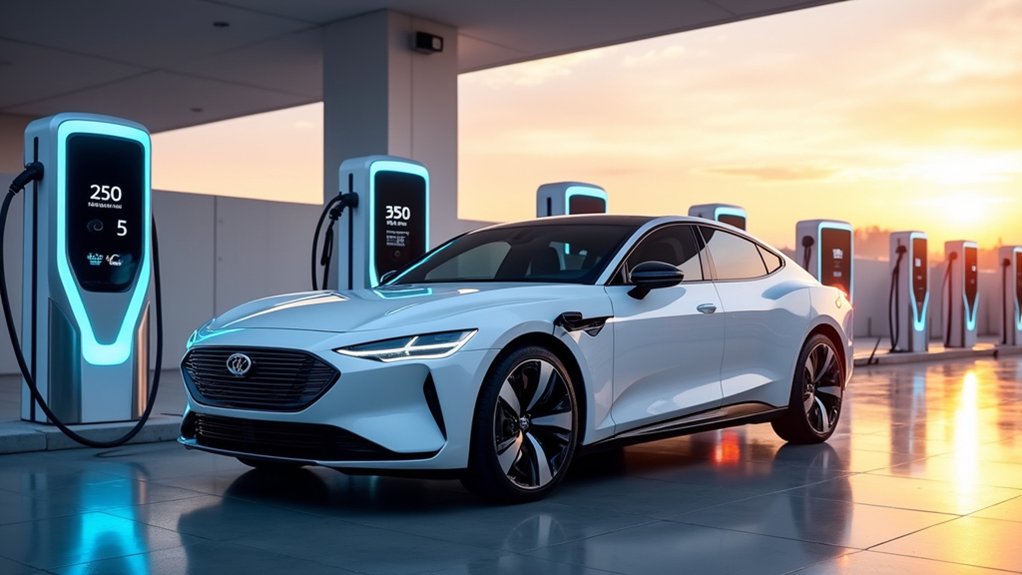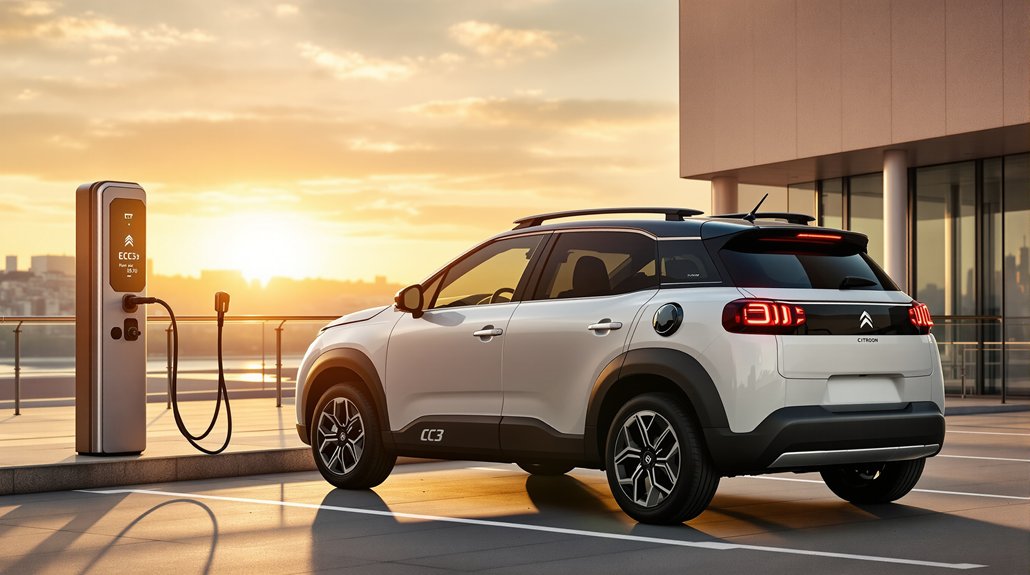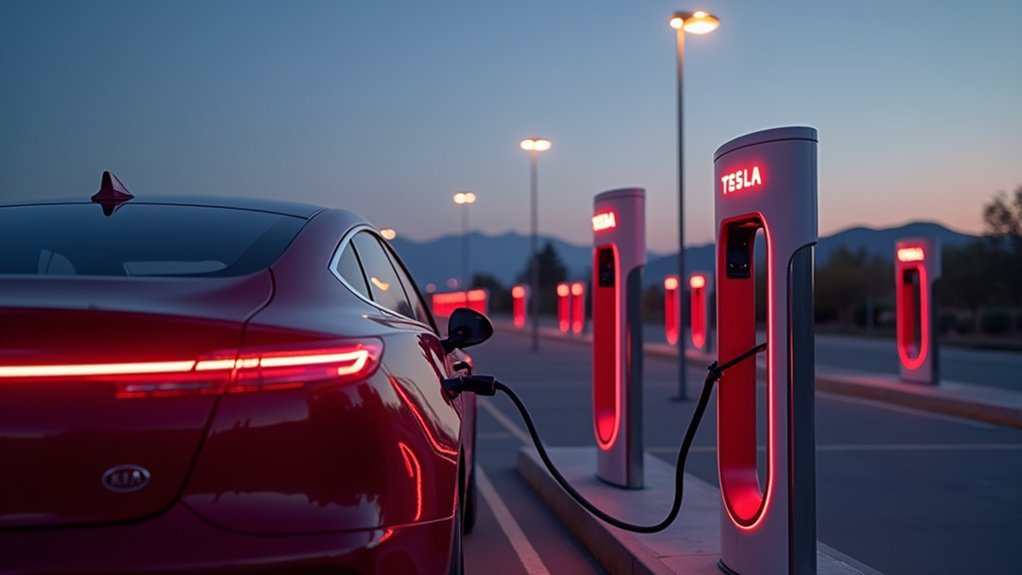
In a significant development for electric vehicle infrastructure, Kia EV drivers now have access to Tesla’s extensive Supercharger network across North America. This partnership grants Kia owners entry to more than 21,500 Tesla Superchargers, effectively doubling the fast-charging options previously available and bringing their total DC fast charger access to over 40,000 stations nationwide.
The collaboration encompasses three key Kia models: the EV6, EV9, and Niro EV. While 2025 model year EV6 and 2026 EV9 vehicles will feature the North American Charging Standard (NACS) port as standard equipment, owners of earlier compatible models will require a manufacturer-supplied adapter for Supercharger connectivity. Kia will provide NACS to CCS1 adapters for existing customers whose vehicles have CCS1 charging ports. This standardization marks a pivotal change in charging infrastructure compatibility. Kia has firmly condemned recent attacks on charging infrastructure while highlighting the importance of reliable charging options for EV adoption.
Kia’s EV transition brings NACS ports to newer models, while legacy vehicle owners gain Supercharger access through adapters—advancing charging standardization.
Implementation occurs through the Kia Charge Pass program within the Kia Access app, creating a streamlined digital experience for locating stations, initiating charging sessions, and processing payments. The system integration provides real-time information on charger availability and pricing directly to both smartphone and in-vehicle displays, eliminating previous uncertainty in the charging process. The incorporation of load balancing capabilities allows multiple EVs to charge efficiently at busy stations, maximizing resource utilization during peak hours.
Tesla’s Supercharger network, recognizably the largest and fastest-growing DC fast charging system in North America, offers strategic placement along major travel corridors and urban centers. This expanded access meaningfully addresses range anxiety, the persistent concern that has hampered widespread EV adoption.
Kia joins ten other automotive manufacturers that have arranged Supercharger access, including Ford, GM, and Hyundai, in what appears to be an industry-wide movement toward charging standardization. The rollout, initially planned for January 2025, experienced a delay to spring due to technical complexities requiring resolution between the automakers.
For Kia EV owners, this expansion translates to tangible benefits: reduced wait times, simplified travel planning, and access to a charging infrastructure known for reliability and speed. The charging density now available supports confident long-distance travel, potentially transforming the ownership experience for current drivers while making electric vehicle adoption more appealing to prospective buyers considering the shift to electrification.