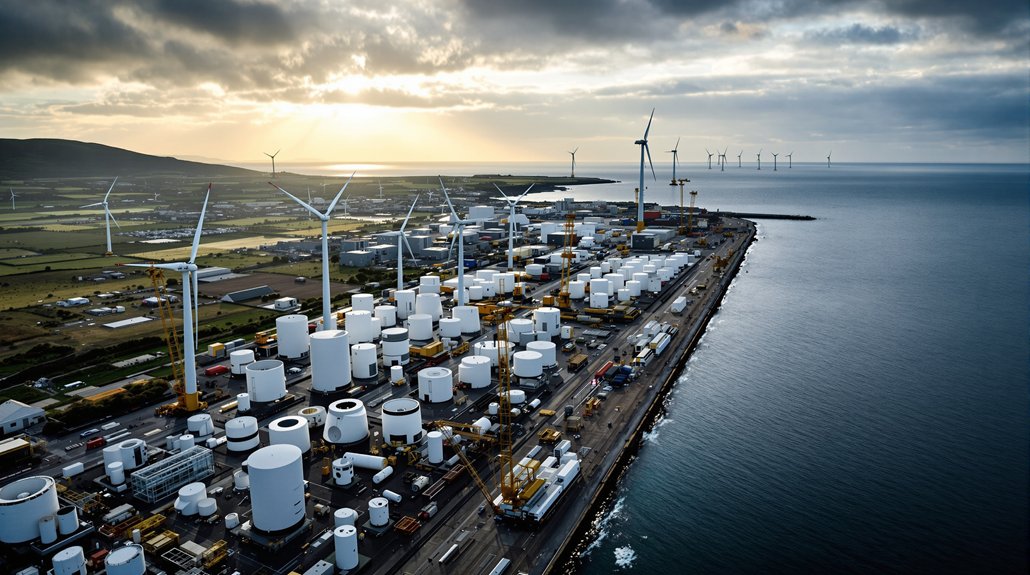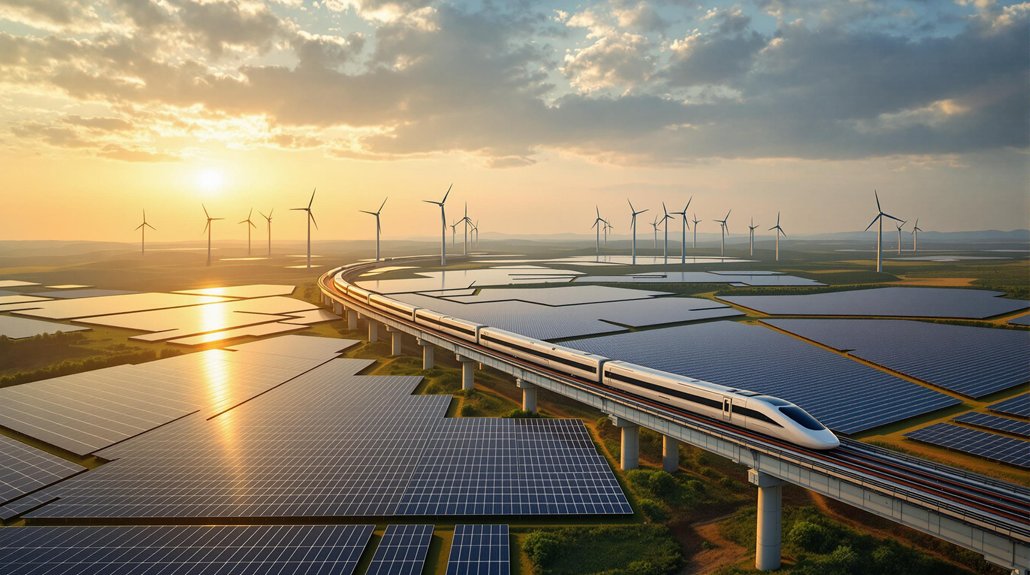

The renewable energy revolution unfolding across China represents one of the most significant changes in global energy history. With total installed power capacity reaching 3,487 GW in April 2025—a remarkable 16% year-on-year increase—China has demonstrated an acceleration that outpaces all previous projections.
I’ve tracked energy transformations for years, and nothing compares to this scale. Wind and solar have shown stellar growth rates of 18% and 48% respectively, while thermal power crawled at just 4% growth.
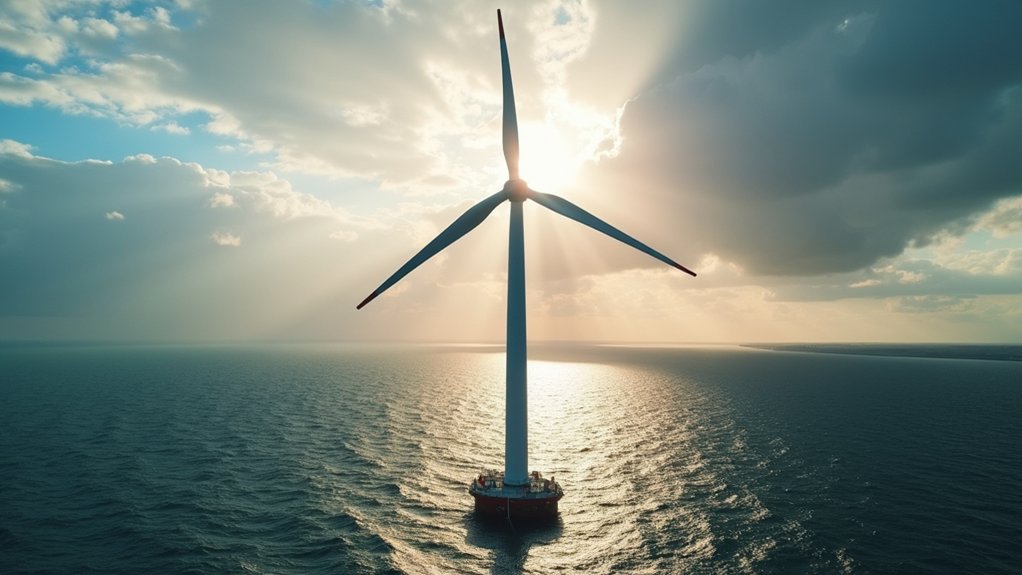
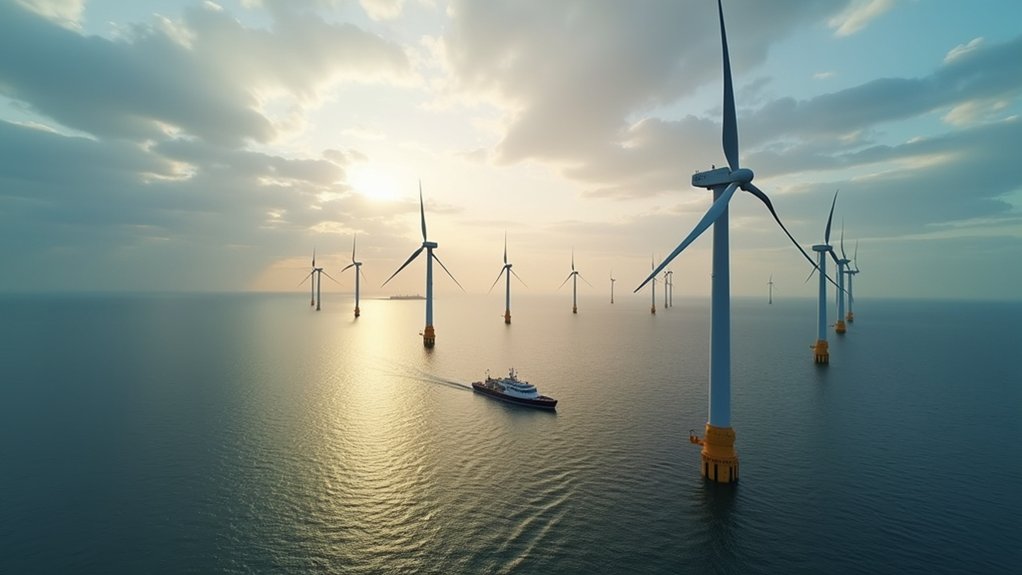
China generated 951 TWh of clean electricity in Q1 2025, a 19% jump over the previous year’s figures. Clean energy now accounts for 39% of China’s power supply, up from 34% in 2024. Wind energy leads the way, supplying the 307 TWh (13% of total generation), while solar contributed an impressive 11%—a world record for any country over a four-month period.
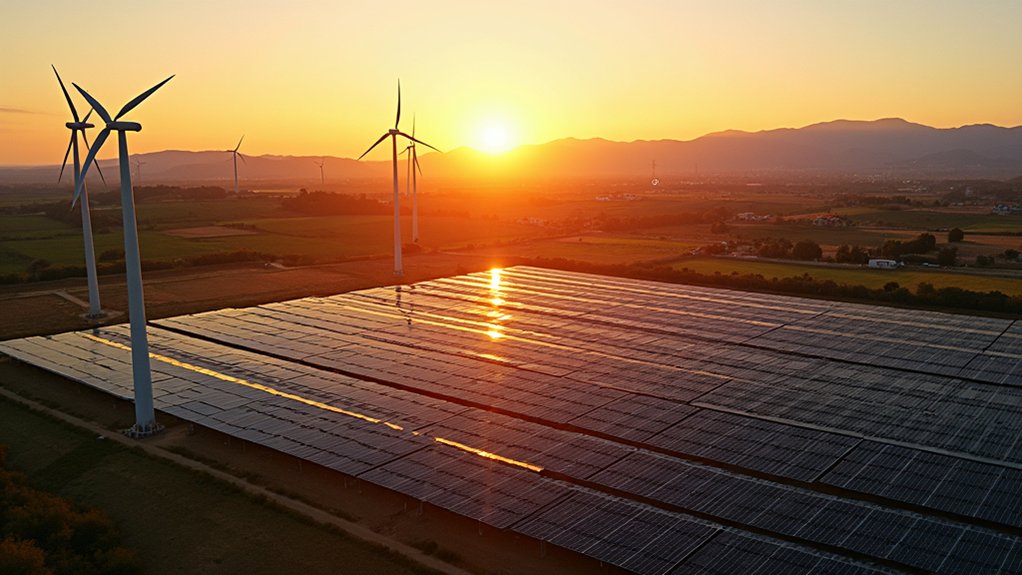
The numbers tell a compelling story: 91% of new capacity additions came from renewables in early 2025. Solar generation hit a record 350 TWh in the first four months, while nuclear grew by 12.7% to reach 159 TWh. This isn’t merely impressive—it’s transformative.
In 2024 alone, China added 445 GW of renewable capacity, constituting 60% of global additions. This pace makes efforts in the United States and Europe appear modest by comparison. The central government’s strong subsidies, market incentives, and long-term policy planning have created perfect conditions for this surge. Tax breaks and priority grid access have been instrumental in attracting renewable energy producers.
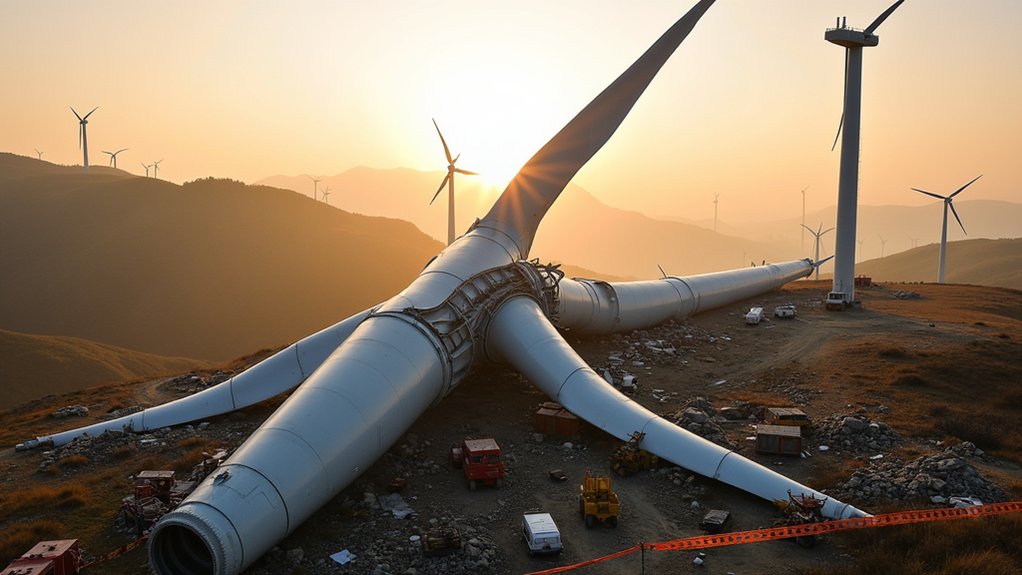
China’s leadership extends beyond deployment to manufacturing. The country dominates in solar PV production and wind turbine manufacturing, while pushing innovation in distributed energy systems and grid infrastructure.
The impact extends globally as Chinese advances influence equipment markets worldwide. Coal generation is expected to plateau by 2026, with clean energy now reducing fossil fuels’ absolute share rather than merely slowing expansion. For the first time in China’s energy history, coal-fired electricity decreased by 4%, with its share falling from 63% to 58% in the total energy mix.
China appears poised to achieve emission peaking well before its 2030 target, positioning itself at the vanguard of global climate action.