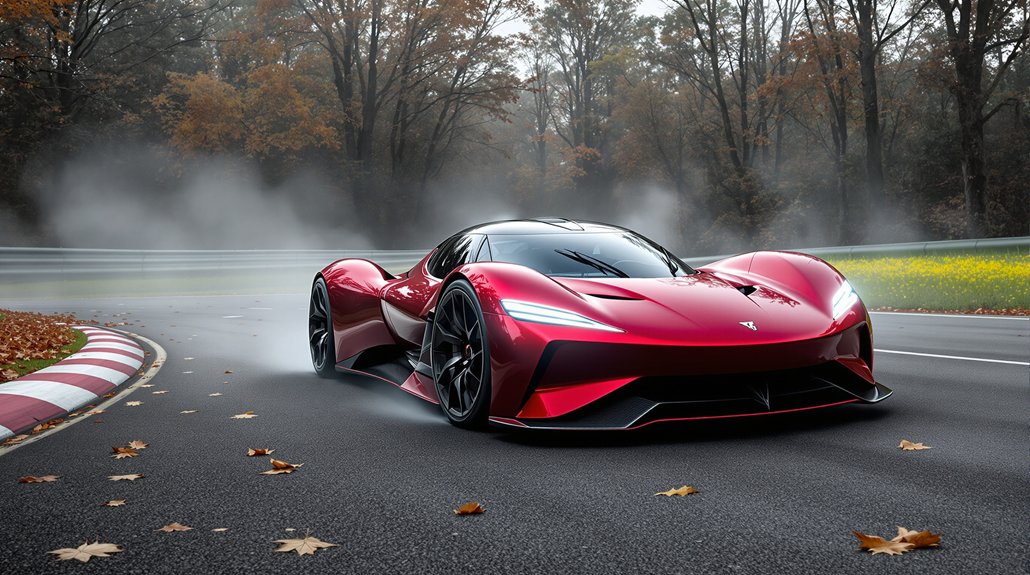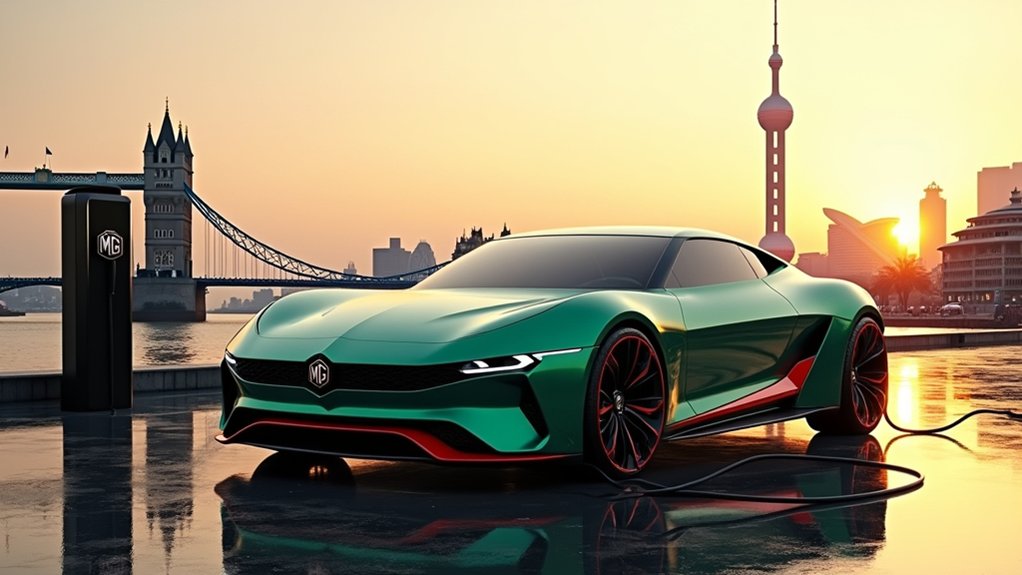

While Tesla has dominated the electric vehicle landscape for years, a powerful new competitor has emerged through an unlikely alliance between China and the UK. The collaboration centers around MG, the storied British brand now owned by China’s SAIC Motor, which recently revealed an astonishing 787 horsepower electric vehicle aimed squarely at Tesla’s performance models.
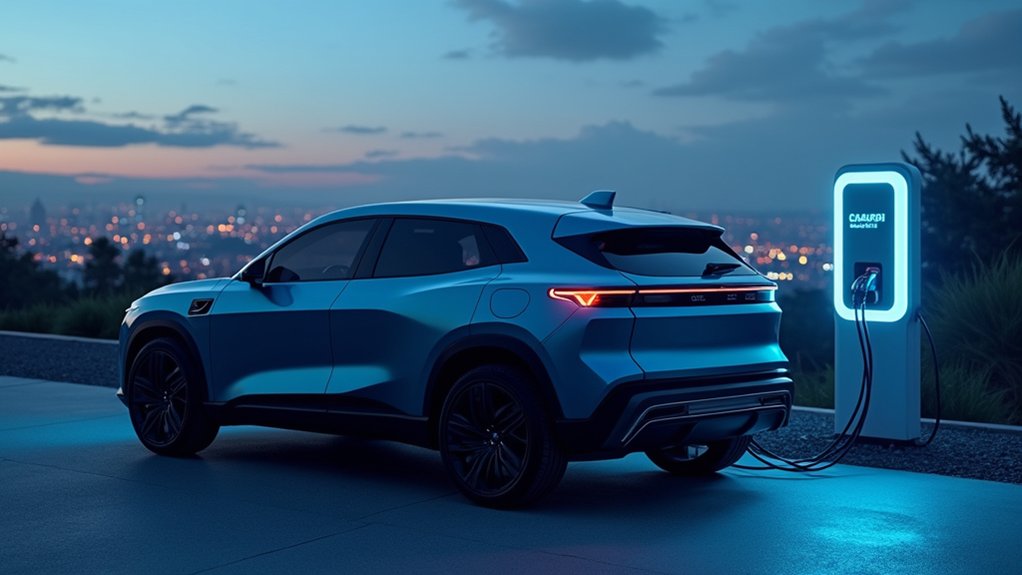
The new MG IM6—marketed as the IM LS6 in China—represents a remarkable technological achievement. Available in both rear-wheel and all-wheel drive configurations, the vehicle delivers up to 800 Nm of torque and comes equipped with cutting-edge 100 kWh ternary lithium battery packs. These specifications put it in direct competition with Tesla’s Model Y and Model S performance variants.
The IM6 unleashes 800 Nm of torque and advanced battery technology, positioning MG to challenge Tesla’s premium electric vehicles head-on.
Chinese manufacturers have leveraged the UK’s established automotive design and engineering expertise to create vehicles that appeal to European consumers. SAIC Motor particularly benefits from this arrangement, combining British design sensibilities with Chinese manufacturing scale and battery technology advantages.
The pricing strategy employed by these Chinese-British ventures presents a formidable challenge to Tesla’s market position. Chinese entry-level EVs typically cost $25,000 less than their American counterparts, dramatically lowering the barrier to EV ownership. The UK’s policy of not imposing tariffs on Chinese-made EVs further supports this competitive pricing. Europe’s 29% sales increase for battery-electric vehicles in 2025 further indicates market receptiveness to these new entrants.
Behind this market push lies China’s overwhelming dominance in EV supply chains. Nearly all global lithium iron phosphate batteries come from Chinese factories, and critical components like rare earth magnets remain mainly Chinese-made. Even Western automakers increasingly depend on Chinese battery giants like CATL and BYD.
The impact is already evident in sales figures, with Chinese automakers’ UK market share approaching 10% by mid-2025, a fivefold increase in just a few years. BYD’s aggressive expansion has been particularly notable, as they have surpassed Tesla’s sales in global EV market volume.
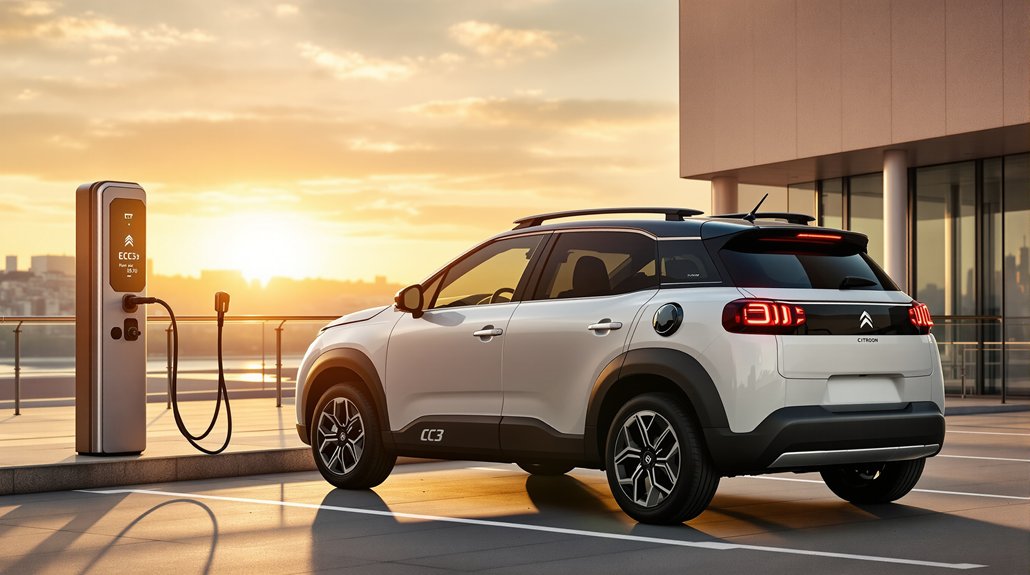
As Tesla faces this unprecedented competitive pressure, the automotive landscape appears poised for a significant shift—one where the China-UK alliance may redefine electric vehicle performance and accessibility standards worldwide. The vehicle features an 800V ultra-fast charging system similar to the AUDI E5, capable of adding significant range in minutes.