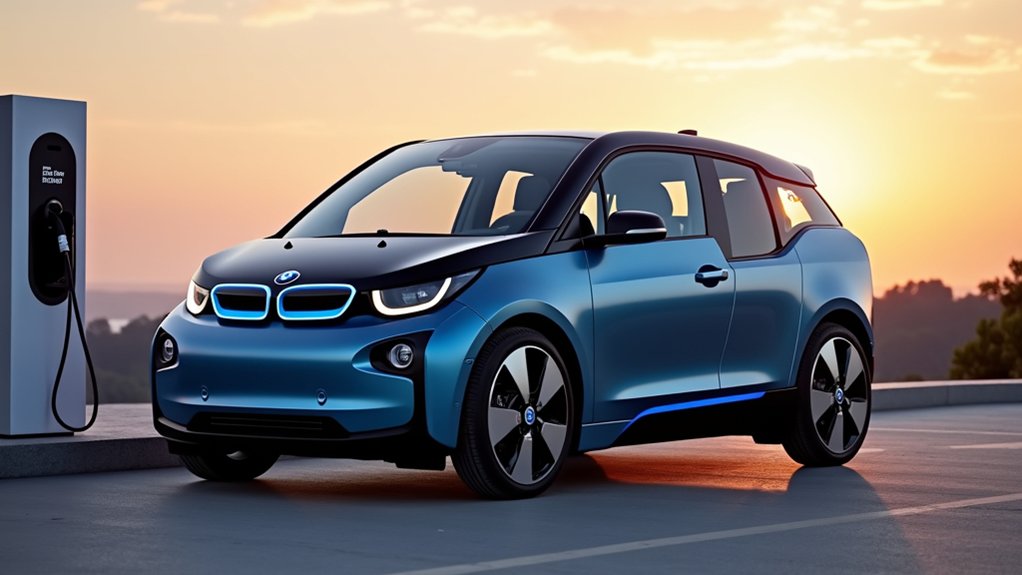
Electrification takes an intriguing new turn as BMW confirms the revival of its i3 nameplate, this time in both sedan and Touring estate configurations. The reimagined i3 bears little resemblance to the quirky carbon-fiber hatchback that launched BMW’s i sub-brand in 2013, instead positioning itself squarely as a Tesla Model 3 competitor within the forthcoming Neue Klasse family of electric vehicles.
BMW’s revival of the wagon format comes at a pivotal moment. As Group design chief Adrian van Hooydonk observes, “touring is making a comeback,” with the bodystyle gaining traction even in traditionally sedan-centric markets. This strategic shift follows the enthusiastic reception of the M3 Touring and recently introduced M5 Touring models, suggesting BMW recognizes untapped potential in the segment.
Touring’s triumphant return signals BMW’s recognition of wagon appeal beyond traditional markets, capitalizing on enthusiasm for recent M-badged offerings.
The i3 Touring will incorporate BMW’s cutting-edge 800-volt architecture, enabling vastly improved charging speeds compared to current models. Range figures should comfortably exceed 600 kilometers, addressing a key concern for EV adopters. The model may also feature bi-directional charging capabilities, allowing owners to power external devices or even their homes during outages.
I’ve observed that BMW’s commitment to both sedan and wagon formats demonstrates unusual flexibility in a market where competitors often limit bodystyle options for their electric offerings. The company continues to use the i badge for electrification as part of its broader electric vehicle naming strategy.
Production timelines place the i3 as the second Neue Klasse vehicle to reach showrooms, following the next-generation iX3 SUV. Unfortunately, customers in Canadian markets will miss out on this innovative wagon offering. The anticipated 2026 launch will coincide with BMW’s broader strategy of maintaining both traditional combustion and electric options within its core model ranges.
Performance enthusiasts needn’t worry about electrification diluting BMW’s sporting credentials. An all-electric M3 variant is also planned, likely delivering over 544 hp through a dual-motor xDrive configuration while maintaining the dynamic driving characteristics synonymous with the M badge.
BMW’s decision to expand the i3 into the wagon territory represents a calculated gamble that practicality-minded buyers aren’t willing to sacrifice utility for electrification. The move signals confidence that the automotive future isn’t solely dominated by crossovers, with the humble wagon poised for an electrified renaissance.