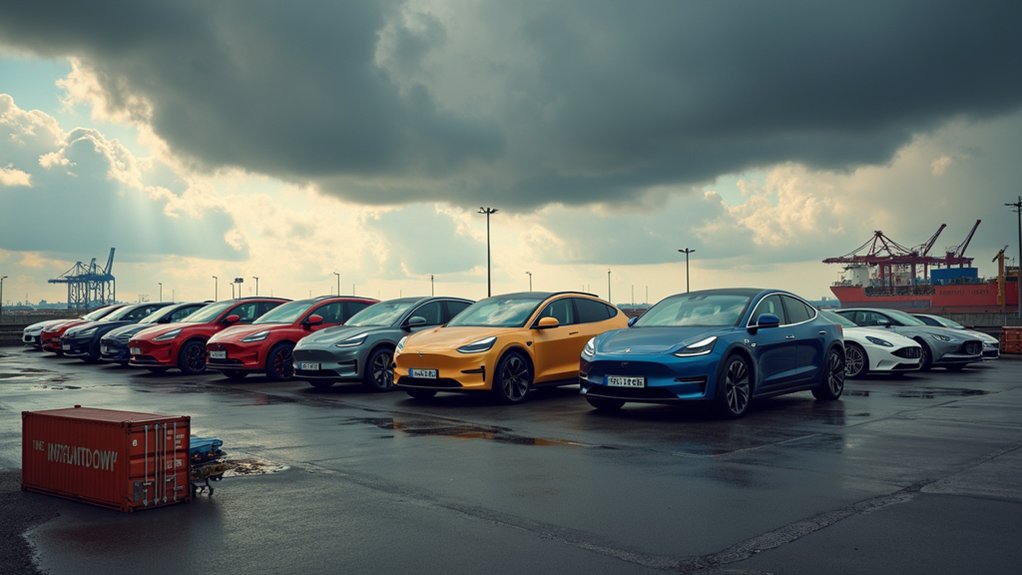

As global trade tensions escalate, the implementation of significant auto tariffs has sent shockwaves through the automotive industry, threatening to upend decades of established supply chain integration. Recent analysis indicates these tariffs could drive vehicle prices up by 10-15%, creating immediate challenges for manufacturers and consumers alike. The ripple effects extend beyond sticker prices, compressing profit margins and eroding competitive positions for companies caught in the crossfire of international trade disputes.
The international response has been swift and multifaceted. European and Asian trading partners have implemented retaliatory measures, creating a dangerous cycle of escalation. Industry leaders from Germany, Japan, and South Korea have called for diplomatic solutions, highlighting the interconnected nature of modern automotive production.
Toyota and Nissan, with their established localized production facilities, appear better positioned to weather these disruptions than competitors heavily reliant on cross-border supply chains.
Job markets are feeling the pressure. Production cuts are becoming increasingly common as manufacturers struggle with rising costs and compliance requirements. While some argue tariffs will encourage domestic manufacturing, the reality is more complex. The specialized nature of automotive components makes rapid supply chain nationalization impractical, if not impossible. The recently imposed 25% tariffs on parts will further strain already stressed supply networks.
Delays at borders exacerbate these challenges, with some plants experiencing production halts due to missing critical components.
Consumers face a changing market landscape. Higher vehicle prices are pushing buyers toward used vehicles or forcing them to delay purchases altogether. The situation is especially concerning for budget-conscious buyers as nearly 80% of vehicles priced under $30,000 will be affected by the new 25% tariff. This shift may benefit emerging market manufacturers offering lower-priced alternatives, fundamentally altering market dynamics. The uncertainty has dampened consumer confidence, potentially slowing the industry’s recovery from previous challenges.
The long-term implications remain concerning. Reduced R&D budgets will likely slow innovation across the sector, particularly in emerging technologies like electric vehicles and autonomy. Supply chain realignments require substantial investment, further straining automakers’ finances.
Without diplomatic intervention, these tariffs risk undermining decades of globalization that has defined the modern automotive industry, potentially reshaping the global marketplace for years to come.