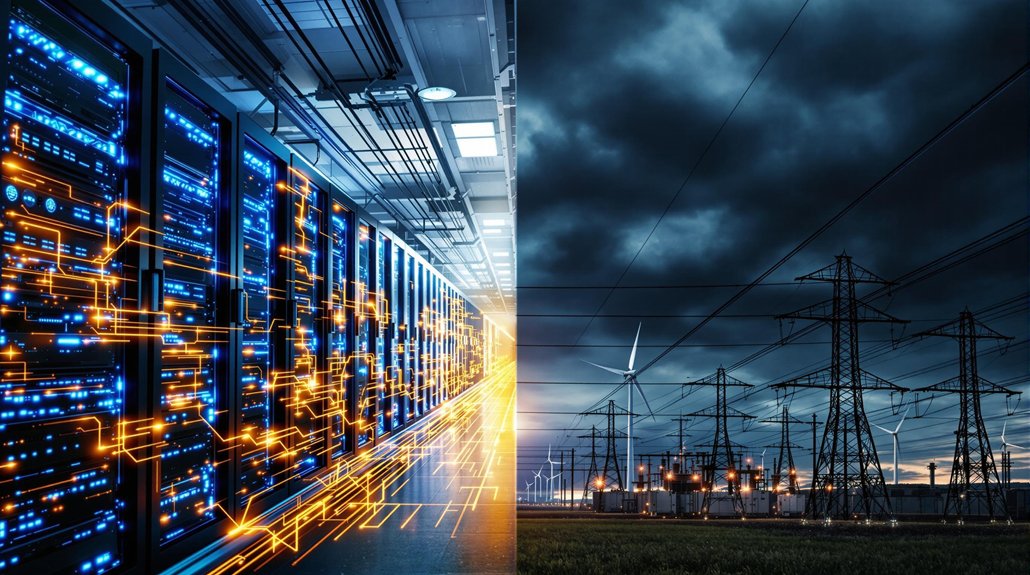

As artificial intelligence technologies continue their relentless expansion, power grids worldwide face an unprecedented challenge that threatens to overwhelm existing infrastructure. Global data center electricity demand is projected to double by 2030 to 945 terawatt-hours, with AI-driven facilities acting as the primary catalyst for this dramatic surge. The acceleration resembles a high-performance engine suddenly shifting from cruise control to full throttle, straining every component within the system.
America’s power network will require an additional 14 gigawatts of capacity by decade’s end solely for AI operations. I’ve analyzed multiple projections indicating that data center electricity consumption in the US will more than triple to 600 TWh by 2030 – a figure that exceeds the current needs of major industrialized nations. This rapid acceleration creates torque that our aging transmission infrastructure simply wasn’t designed to handle.
America’s aging grid faces unprecedented strain as AI’s electricity demands threaten to overwhelm systems never designed for such power-hungry innovation.
The numbers paint a concerning picture of resource allocation. The average AI data center consumes approximately 50 GWh annually, highlighting the enormous energy footprint of these facilities. By 2030, AI computing will consume more electricity than all energy-intensive manufacturing combined, including aluminum, steel, and cement production. With annual growth of AI-related data centers expected at approximately 15% through 2030, we’re witnessing a redlining of our electrical systems with insufficient cooling capacity.
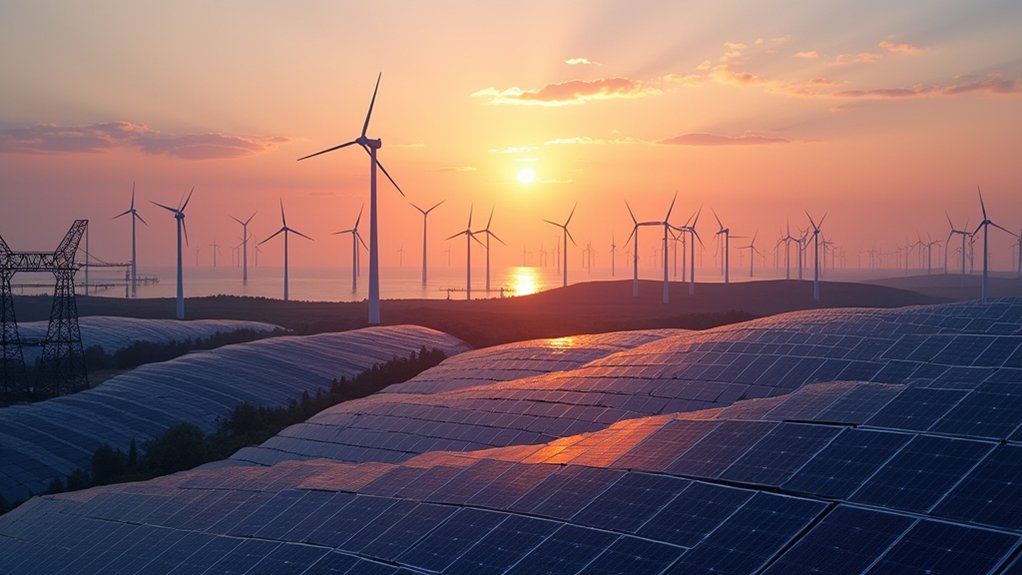
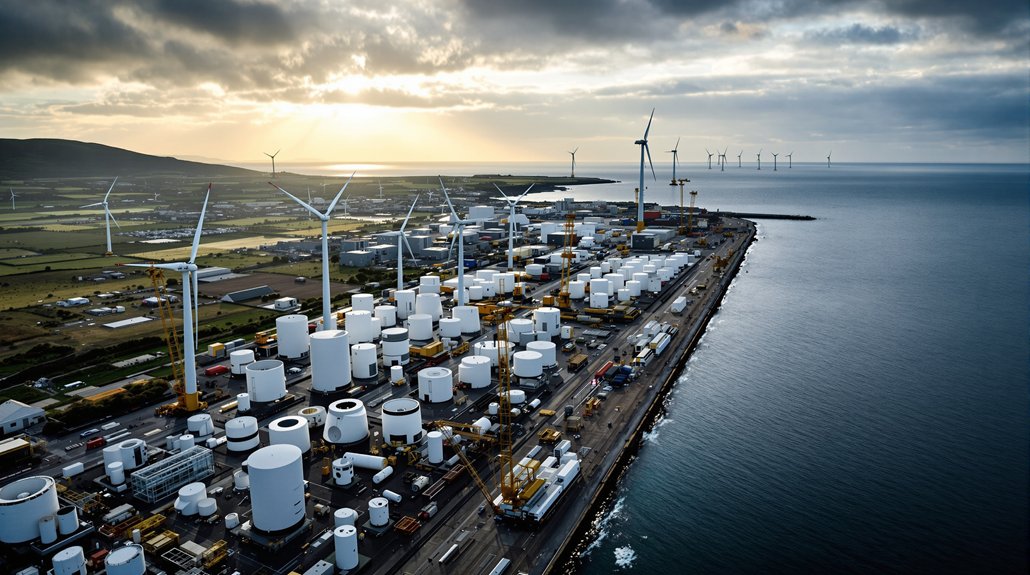
Environmental implications cannot be overlooked. Under current policies, this energy surge could add 1.7 gigatons in greenhouse gas emissions between 2025-2030, potentially derailing climate goals. Major tech firms are responding with substantial investments in renewable energy, much like automakers developing hybrid technologies while continuing to produce high-performance vehicles. Similar to the transportation sector’s 23% contribution to global emissions, the growing AI industry presents an equally urgent need for renewable energy integration to mitigate its environmental impact.
The economic stakes are considerable. Grid upgrades demand massive capital investment, while energy constraints could limit AI’s economic benefits. Regional power bottlenecks may trigger price increases for other consumers, creating a competitive disadvantage in certain markets. The concentration of critical minerals supply presents additional vulnerabilities as demand for data center equipment increases.
While immediate catastrophic failure isn’t projected, planning remains essential. Without coordinated action to enhance grid resiliency, integrate renewables, and improve efficiency, America risks stalling in the electrifying race toward AI-powered innovation.