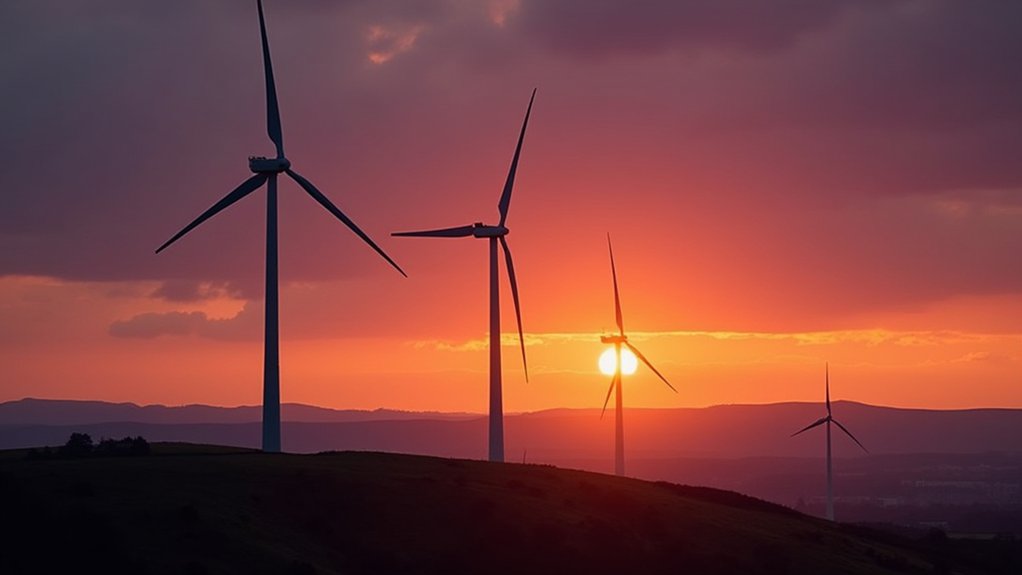

A notable renewable energy development is taking shape in East Lothian, as Belltown Power has submitted its final proposal for the Newlands Hill Wind Energy Hub. Located approximately 6km southeast of Gifford and 11km southeast of Haddington, the ambitious project features up to 17 turbines in the Lammermuirs area, with 15 planned at an impressive 200-meter tip height and 2 at 180 meters—considerably taller than London’s iconic 96-meter Big Ben.
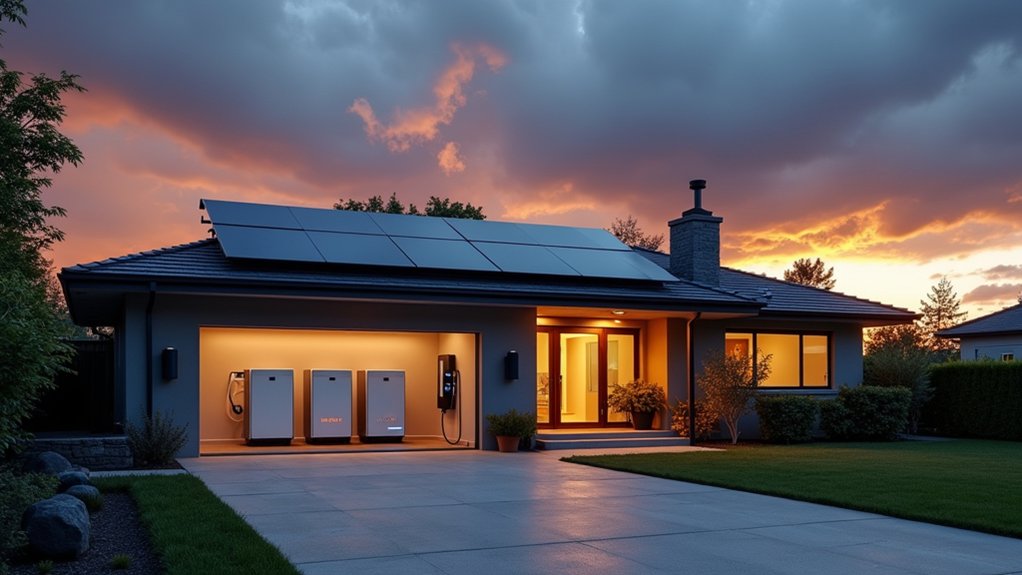
The proposal, which follows extensive site surveys and public consultations conducted throughout 2022-2023, includes a battery energy storage facility designed to enhance grid balancing and efficiency. This component will allow the hub to discharge clean energy during peak demand periods, a critical feature for maintaining grid stability. The project is expected to generate enough electricity to power over 120,000 homes annually, contributing significantly to Scotland’s renewable energy capacity.
Battery storage integration transforms wind power from intermittent resource to reliable grid asset during peak demand windows.
I’ve observed similar storage solutions proving invaluable in comparable renewable installations across Europe.
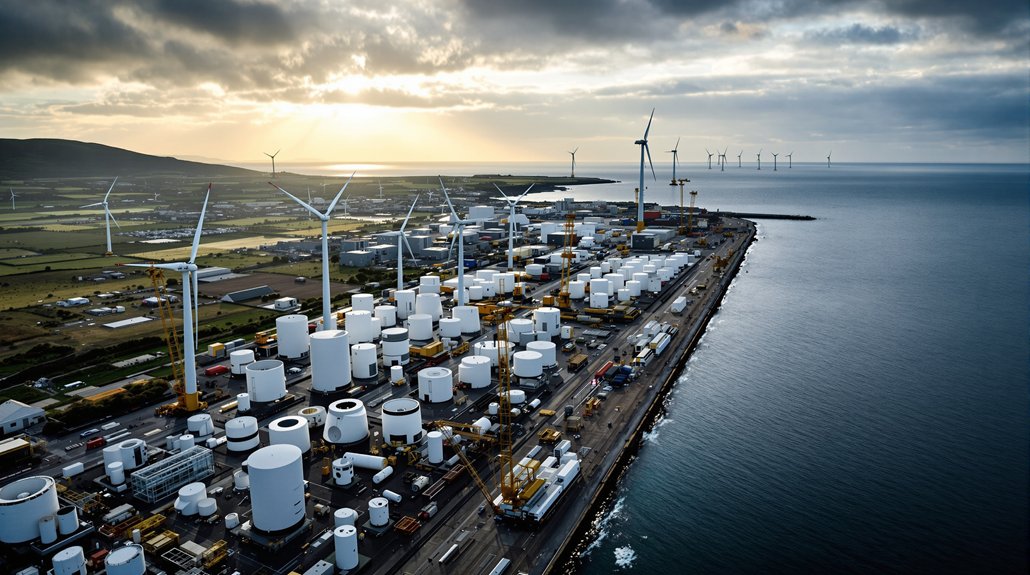
Running parallel to this development is the Berwick Bank Offshore Wind Farm by SSE Renewables, with its onshore grid infrastructure planned at Branxton, south of Dunbar. This 4.1GW offshore project recently received planning permission in principle from East Lothian Council for its onshore components, marking a notable milestone.
The regulatory journey continues for both projects, with Newlands Hill’s scoping request resubmitted to the Scottish Government’s Energy Consents Unit for Environmental Impact Assessment confirmation. The council will carefully evaluate these applications considering the balance between renewable energy benefits and local environmental impacts as outlined in their policy framework.
Berwick Bank still awaits determination for its offshore infrastructure by Scottish Government ministers, with hopes to enter the UK renewable energy auction Allocation Round 6 pending timely governmental consent.
These combined initiatives directly support Scotland’s ambitious renewable energy targets while addressing grid stability—a persistent challenge in the shift to clean energy. The integration of these wind farms with smart grid technologies will be essential for managing the increased electricity demand from growing EV adoption. Environmental Impact Assessments have shaped both proposals following feedback from statutory bodies and public consultations.
The wind energy developments represent a considerable investment in East Lothian’s renewable energy infrastructure, with construction expected to proceed once final governmental approvals are secured.
When operational, these turbines will contribute notably to the UK’s decarbonization goals, transmitting clean energy directly to the national grid.