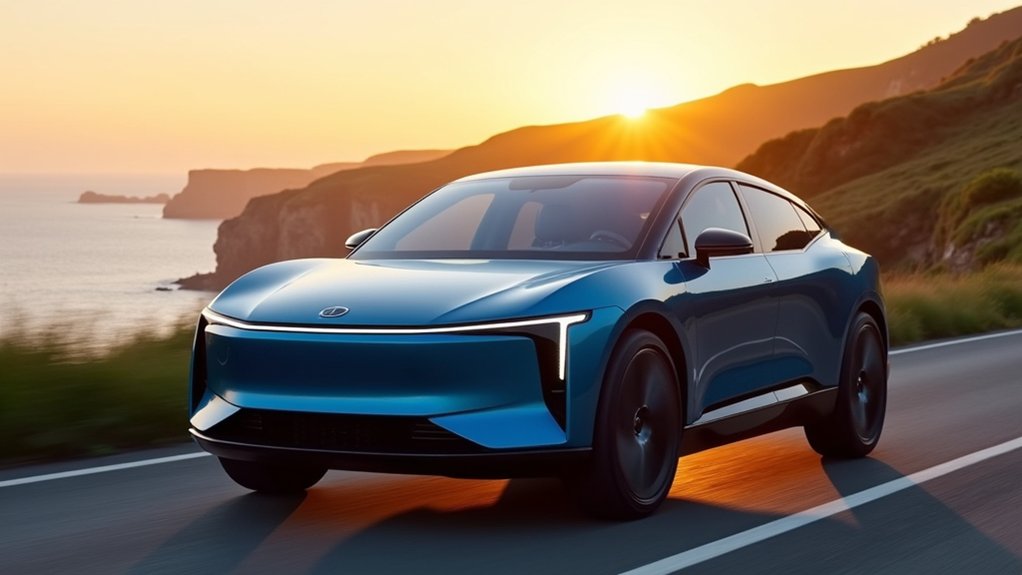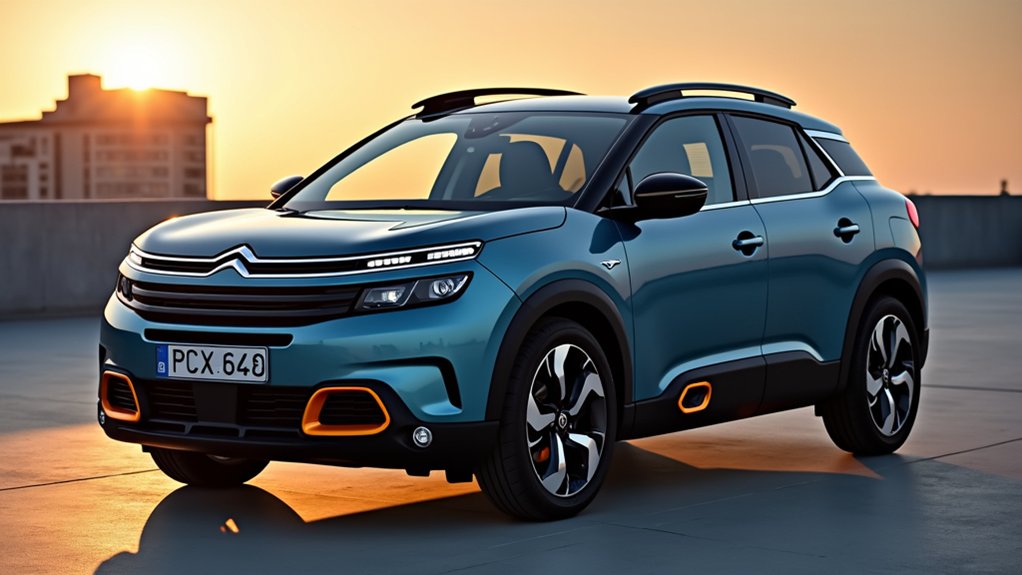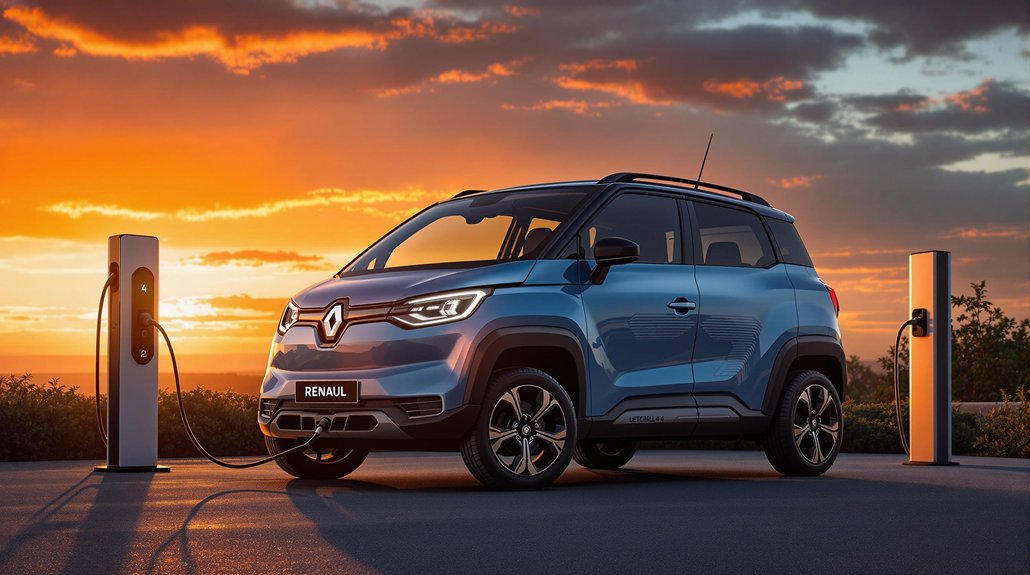
While the automotive world races toward electrification, Renault has opted to glance in the rearview mirror for inspiration, reviving its iconic 4 model with a thoroughly modern interpretation. The new electric crossover retains the original’s boxy proportions and upright stance but reimagines them for the EV era.
What’s particularly striking is how the designers have balanced nostalgic elements with contemporary crossover functionality. The exterior features twin round headlights and embossed door lines that pay homage to the beloved original that sold over 8 million units.
Powering the reborn icon is a single electric motor producing 148bhp and 181 lb ft of torque – sufficient muscle to propel the 4 from standstill to 62mph in a respectable 8.2 seconds. The relatively lightweight construction (1462kg is featherweight territory for an EV) contributes to its nimble character.
At just 1462kg, the Renault 4’s lightweight build enhances performance, delivering surprising agility for an electric vehicle.
Driving dynamics benefit from this weight management; the car feels more responsive than many of its electric peers. The Renault 4 offers minimal body lean in corners along with precise steering that features a quick rack response.
The 52kWh battery delivers a WLTP range of 241-247 miles, though real-world usage will likely net around 200+ miles in favorable conditions. I’ve seen efficiency figures between 4.0-4.3 miles per kWh, which positions the 4 competitively within its segment.
Its 100kW maximum charging capability isn’t class-leading but allows reasonably quick top-ups during longer journeys. Similar to trends across the industry, owners can expect home charging installation to take between 2-4 weeks from purchase to completion.
Priced from an expected £26,995, the 4 undercuts several key rivals while offering impressive standard equipment. Even entry-level Evolution models include automatic air conditioning, cruise control, and keyless entry.
The anticipated three-tier trim structure mirrors that of its sibling, the Renault 5, with Techno and Iconic variants adding Google-based infotainment and premium features respectively.
Practicality remains a strong suit, with the tall body providing generous headroom and the large rear hatch facilitating easy loading.
The promised canvas roof option (delayed until after launch) will further enhance its appeal, particularly for those seeking a closer connection to the original model’s spirit.
While not revolutionary in isolation, Renault’s electrified resurrection successfully combines retro charm with modern capability.
The 4’s arrival signals that the EV evolution needn’t erase automotive heritage – it can celebrate it.