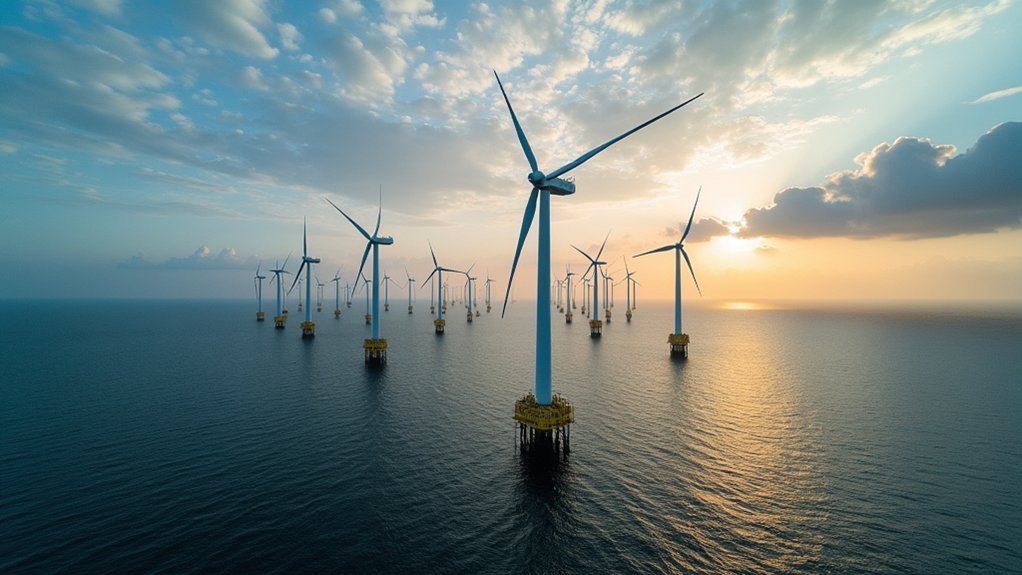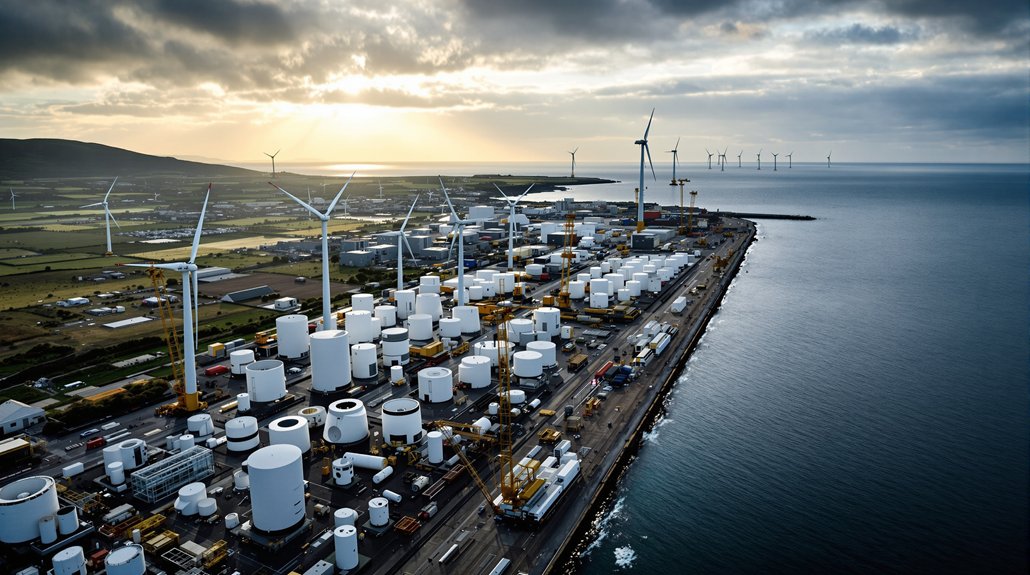
Numerous offshore wind farms have transformed the global renewable energy landscape since Denmark’s pioneering Vindeby installation in 1991. That modest 11-turbine array, generating just 450kW per unit, established the foundation for today’s gigawatt-scale behemoths that now dominate offshore energy production. The industry’s evolution mirrors automotive development—steady, incremental advancements yielding revolutionary results. I’ve tracked this progression closely, noting how each generation of farms expands both physical dimensions and power output capabilities.
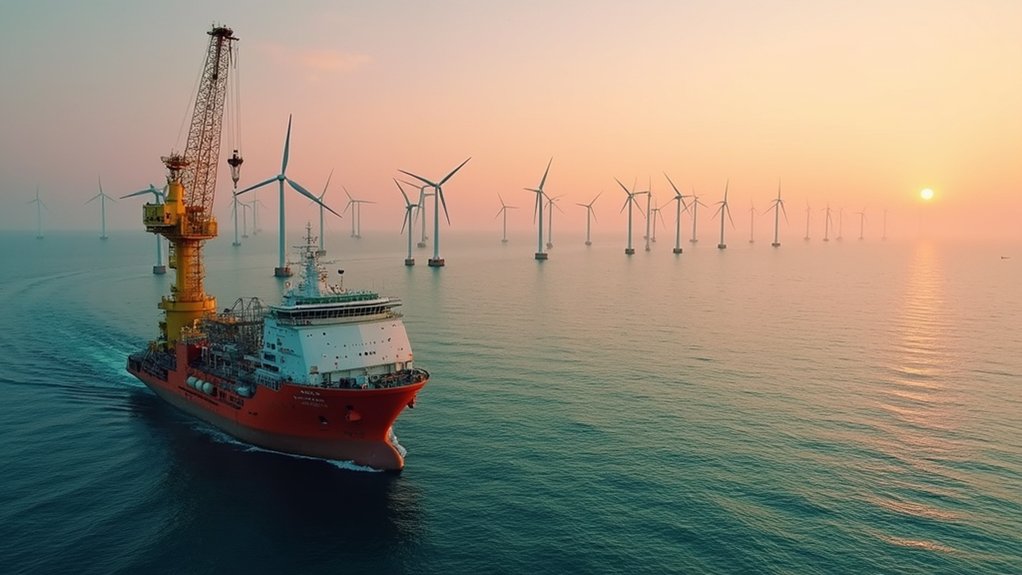
The world’s largest offshore installations now partner with specialized vessels designed explicitly for next-generation turbine deployment. These purpose-built ships feature dynamic positioning systems, gantry cranes capable of lifting 2,000+ ton components, and weather-compensating stabilizers that minimize downtime. Such maritime-energy integration represents the cornerstone of modern renewable infrastructure development. This integration builds upon centuries of wind energy utilization, dating back to when ancient civilizations used wind-powered boats along the Nile River around 5,000 BC.
U.S. projects exemplify this technological convergence, with initiatives like Revolution Wind creating 704 megawatts for Rhode Island and Connecticut consumers. The Biden-Harris administration has approved over 15 gigawatts of offshore capacity, positioning the nation to achieve half its 2030 target already. Each installation requires precision choreography between vessel captains, crane operators, and digital monitoring systems. These projects have undergone extensive environmental reviews to ensure protection of marine ecosystems while advancing renewable energy goals.
America’s offshore wind ambitions surge forward as specialized vessels orchestrate complex installations toward ambitious clean energy goals.
Economic ripples extend beyond mere kilowatt production. Approximately 1,200 regional jobs stem directly from Revolution Wind, with thousands more supporting the vessel construction, port infrastructure, and maintenance operations. These positions demand specialized maritime-energy expertise, creating new workforce categories unimaginable during Vindeby’s construction.
Regulatory streamlining has accelerated deployment schedules, allowing vessels to establish “first steel in the water” milestones ahead of projected timelines. The synchronization between cutting-edge installation ships and increasingly efficient turbine designs represents the industry’s most promising advancement.
From Vindeby’s modest beginnings to today’s maritime-energy partnerships, offshore wind development demonstrates how purposeful innovation transforms theoretical potential into practical power. These vessel-farm collaborations establish new benchmarks for renewable energy production while creating sustainable economic opportunities throughout coastal regions.