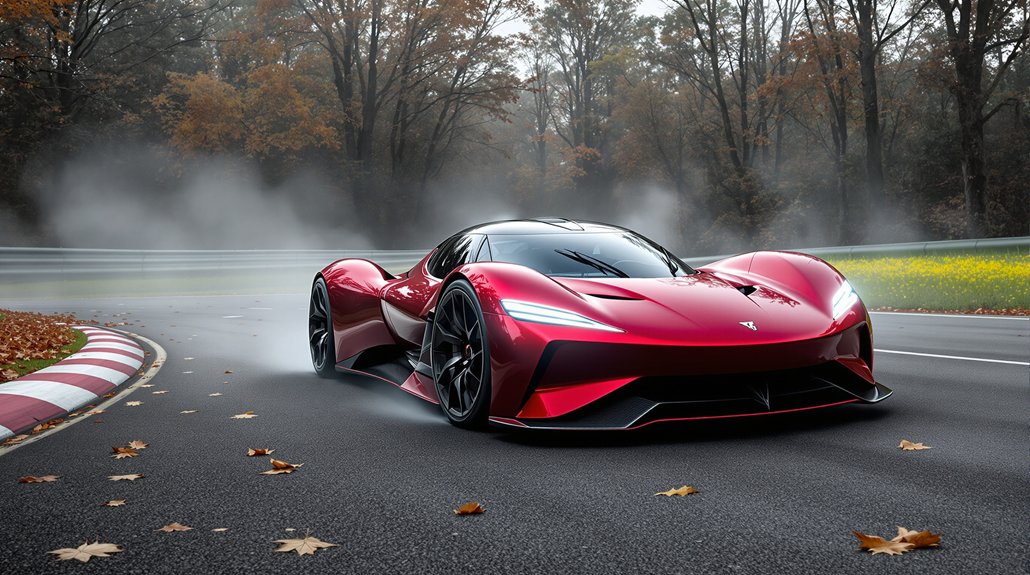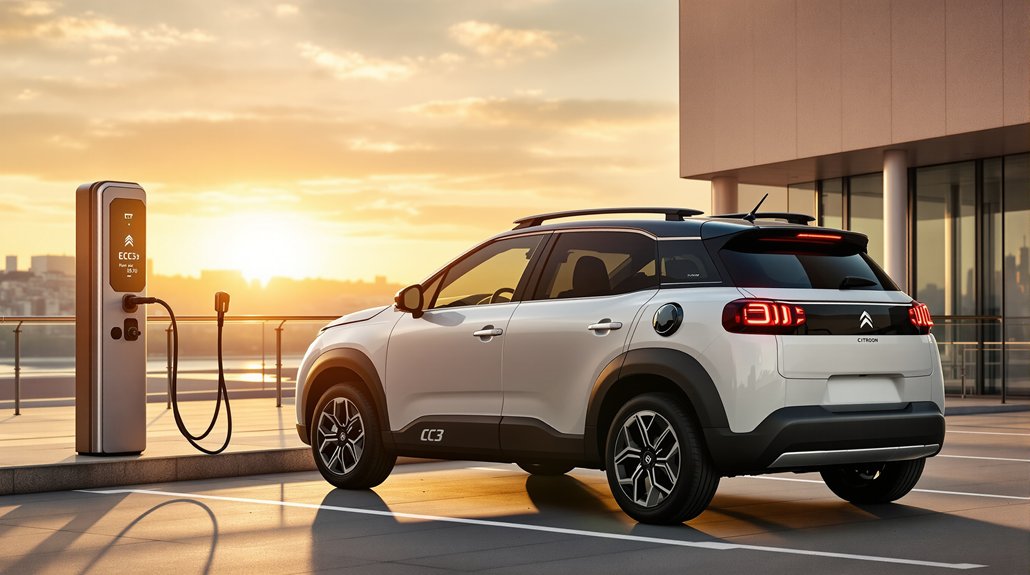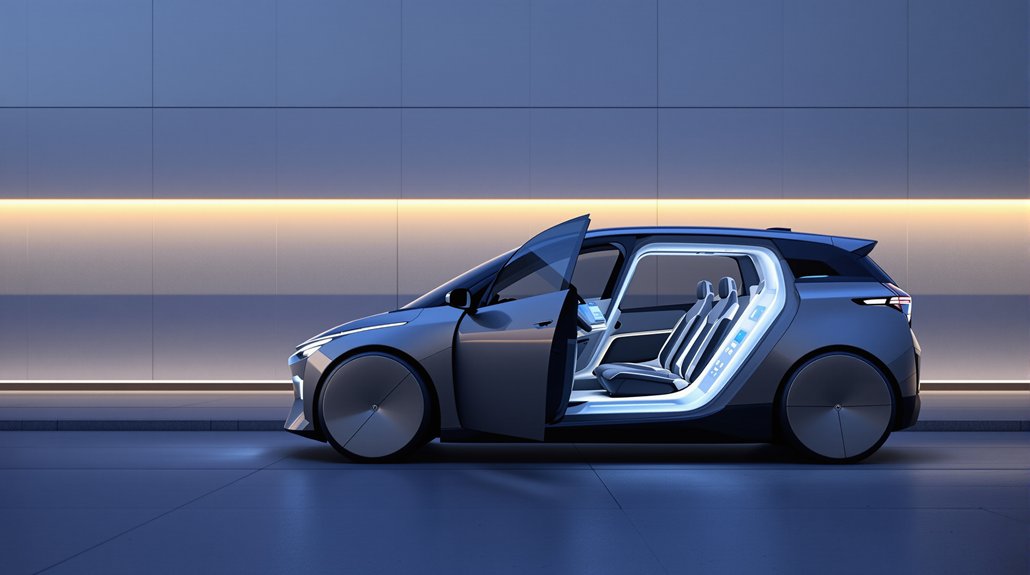
Hyundai has shattered conventional automotive interface wisdom with its Concept Three, a compact EV hatchback that boldly eliminates the centerpiece touchscreen display that has dominated modern vehicle interiors for years. Instead, the 4,287 mm long urban-focused vehicle introduces a revolutionary “briquette” display system, featuring modular units that deliver essential information while reducing the cognitive load that has become problematic with expansive touch interfaces. This radical departure aligns with mounting research indicating touchscreens notably increase driver distraction—a concern that’s prompted regulatory scrutiny across European markets.
The Concept Three’s “Art of Steel” design philosophy extends beyond its liquid-metal exterior to a completely reimagined cockpit experience. Rather than forcing drivers to navigate through multiple menu layers while driving, Hyundai‘s “Bring Your Own Lifestyle” widgets offer physical, movable controls that intuitively come toward the driver when needed. The elimination of the central touchscreen isn’t merely aesthetic; it represents a data-driven approach to interface design. The vehicle’s sustainable materials include ocean-waste fabrics and lightweight aluminum foam that reinforce its eco-conscious mission. Studies consistently demonstrate physical buttons allow faster operation of core functions compared to their touch counterparts, often reducing eyes-off-road time by several vital seconds.
Positioned to compete directly with Volkswagen’s ID.3 and corporate cousin Kia EV3, the Concept Three signals a potential industry-wide correction to the touchscreen obsession. The 2,722 mm wheelbase provides ample interior space for Hyundai to execute its “Furnished Space” philosophy, creating a serene environment more reminiscent of a modern living room than a traditional vehicle cockpit. The concept incorporates a playful Mr. Pix character integrated throughout the interface for emotional connection and storytelling.
The sustainability focus extends to materials, with ocean-waste fabrics and aluminum foam components reinforcing the eco-conscious mission. When the production IONIQ 3 launches from Hyundai’s Turkey plant in 2026, it may well be remembered as the vehicle that finally prioritized intuitive functionality over the technological showmanship that has characterized the industry’s touchscreen arms race.
In this case, less screen means more attention where it belongs—on the road.