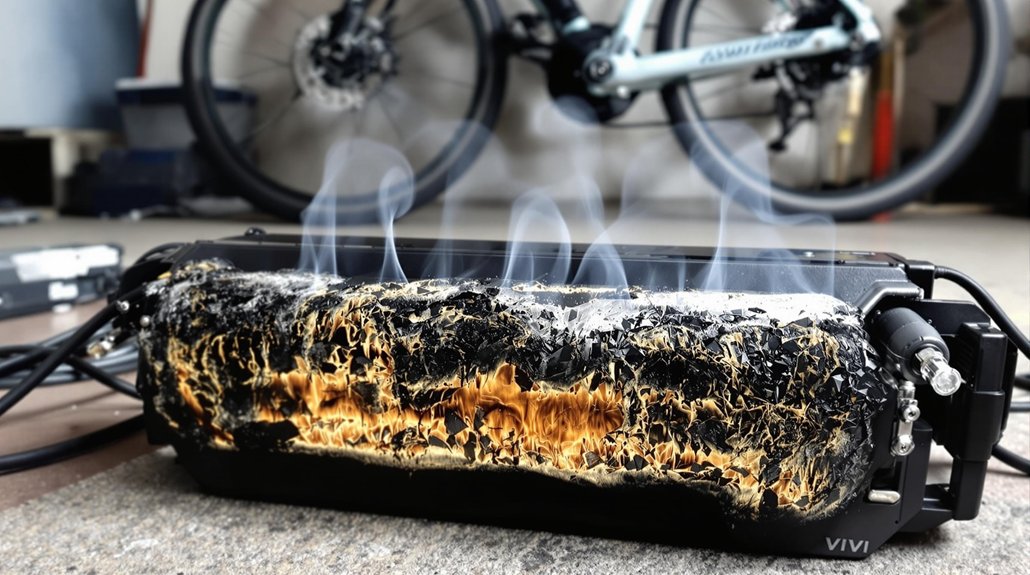

Hundreds of e-bike fires have swept across the UK in recent years, with alarming statistics revealing nearly 200 battery-related incidents in 2023 alone. The frequency of these dangerous events has escalated dramatically, rising from just over one per week in 2020 to an almost daily occurrence in 2025. The human cost is sobering: at least 15 fatalities and over 190 injuries since 2020, with fire incidents reported in more than 180 parliamentary constituencies nationwide.
The root causes are clear to industry analysts. Substandard lithium-ion cells, inadequate Battery Management Systems (BMS), and counterfeit chargers form a dangerous triumvirate of risk factors. The absence of proper thermal protection circuits and voltage monitoring in cheaper units virtually guarantees eventual failure. Research from WMG at the University of Warwick confirmed a direct correlation between battery price and safety, with higher-priced batteries featuring better safety circuits that prevent thermal runaway. Recent independent research commissioned by the Office for Product Safety and Standards has identified critical manufacturing process failures that contribute to battery safety issues.
Substandard components create a perfect storm of e-bike battery failures, with thermal runaway virtually inevitable in low-cost systems.
I’ve examined dozens of these systems in laboratory settings, and the quality discrepancies between premium and budget options are immediately apparent.
Regulatory frameworks have failed to keep pace with technological innovation in this rapidly expanding market. Current UK product standards contain significant gaps, particularly regarding pre-market safety assessment protocols. Online marketplaces operate with minimal oversight, allowing third-party sellers to introduce potentially hazardous conversion kits and replacement batteries without adequate scrutiny.
The consequences extend beyond immediate safety concerns. Property damage, insurance complications, and widespread bans on e-bike charging in residential buildings have created significant economic burdens. These incidents have also undermined market confidence in what should be a cornerstone technology for sustainable urban mobility.
Progress is being made through initiatives like the Battery Breakdown campaign and the Product Regulation and Metrology Bill. These measures aim to establish mandatory third-party safety assessments and clear standards for charging systems. With support from over 500 councils and nearly 100 organizations, momentum is building toward thorough regulation.
Until these safeguards are fully implemented, consumers must exercise extreme caution. The gap between regulatory oversight and market reality continues to put UK lives at risk, creating an unnecessary hazard in an otherwise promising transportation evolution.