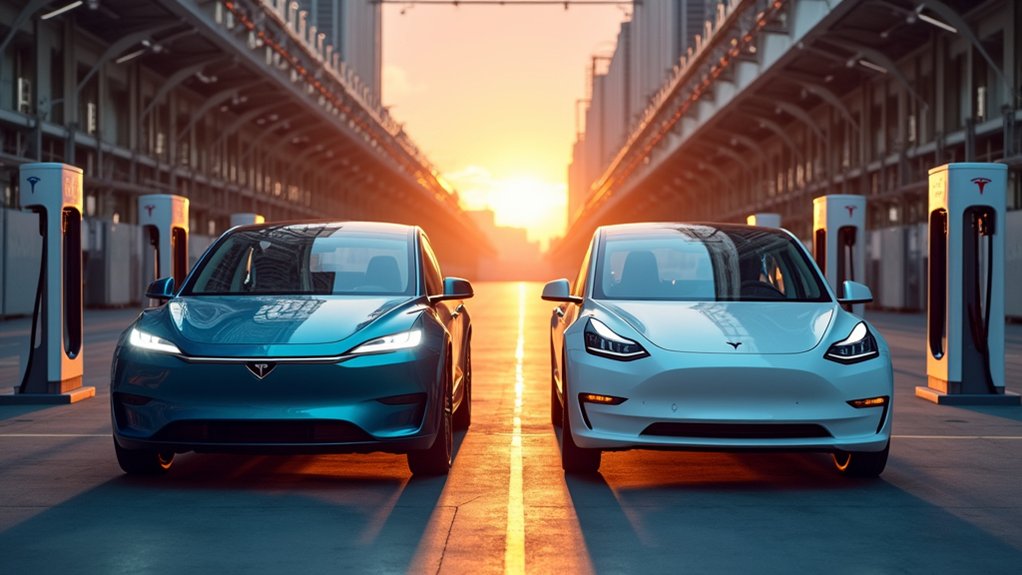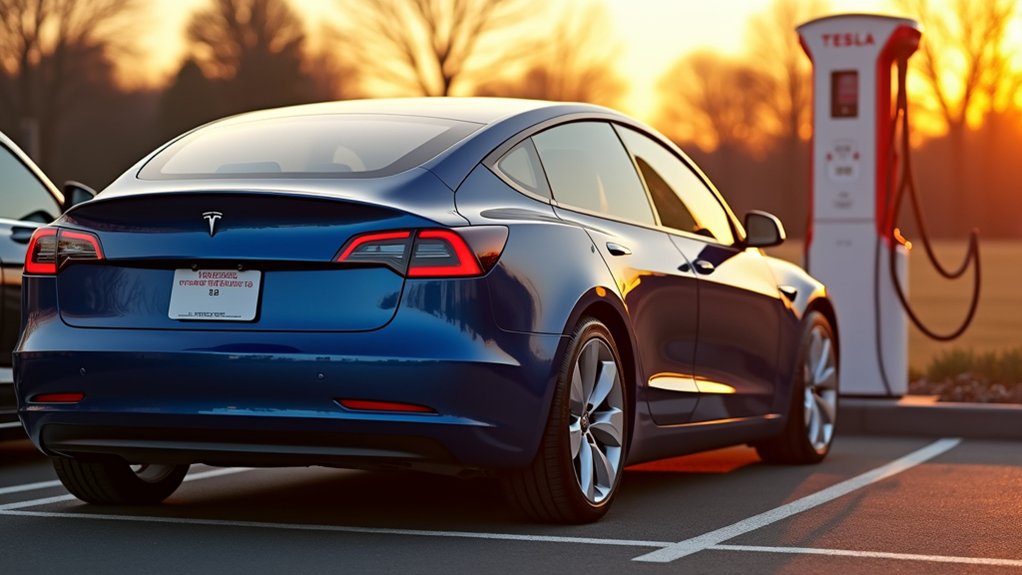

While traditional automakers struggle to make electric vehicles affordable, Tesla has dramatically slashed prices across its lineup, positioning the upcoming Model 2 at just $22,500—a watershed moment for EV adoption. This aggressive pricing strategy brings Tesla within striking distance of mainstream gasoline vehicles like the Honda Civic and Toyota Corolla, vehicles that have dominated the budget-conscious segment for decades.
The company’s price reduction extends beyond the Model 2, with lease prices on the Model 3 and Cybertruck cut by $50 monthly, representing approximately $3,000 in savings over a standard five-year term. Tesla’s 2025 lineup now spans from $32,490 to $125,490, creating multiple entry points for consumers across various budget thresholds.
These cuts aren’t merely promotional tactics. They reflect Tesla’s core mission to accelerate the world’s shift to sustainable energy by making EVs accessible to mainstream consumers. The strategy appears calculated to apply maximum pressure on competitors while simultaneously expanding Tesla’s market share in the rapidly growing EV segment. With vehicle price caps limiting federal incentives to passenger cars under $55,000 and SUVs/trucks under $80,000, Tesla’s pricing strategy aligns well with government efforts to promote mainstream EV adoption.
From an ownership perspective, the value proposition becomes even more compelling. Model 2 owners can expect annual charging costs around $500, compared to the $2,000 typically spent on gasoline by comparable ICE vehicle owners. Buyers of certain models could further benefit from the federal EV tax credit of $7,500, which applies to Model 3 and Model Y variants.
Add in the elimination of oil changes and reduced maintenance requirements, and the total cost of ownership tilts decisively in Tesla’s favor.
The ripple effects across the industry are already apparent. Legacy automakers must now recalibrate their EV pricing strategies or risk being left behind. The new price floor established by Tesla effectively redefines consumer expectations around what an electric vehicle should cost.
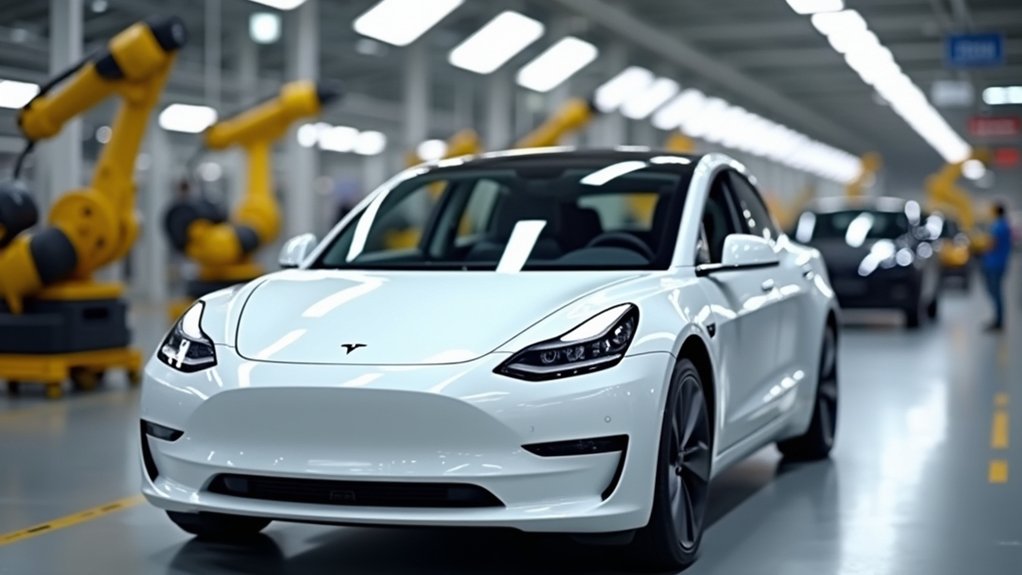
With Model 2 pilot production scheduled for late 2025 and full production ramping mid-2026, Tesla’s manufacturing capacity appears positioned to support this more aggressive volume-based approach. Following their pattern with the Model Y, Tesla has been offering heavy discounts on existing inventory to make room for new models and boost quarterly sales figures. The company’s clear intent is to trigger mass EV adoption through affordability—a strategy that may prove difficult for competitors to counter.