While electric vehicles dominate headlines, plug-in hybrids offer a compelling alternative for long-distance European travel. The roughly 1,000-kilometer journey from Stuttgart to Rome demonstrates the practical advantages of Mercedes’ latest PHEV technology, combining the best of both worlds without compromise.
Modern Mercedes PHEVs, including the S 580e and various E-Class and C-Class models, deliver impressive electric ranges of 100-120 kilometers per charge. This represents approximately 10% of the total Stuttgart-Rome distance, allowing drivers to navigate congested urban areas and Alpine villages in silent, zero-emission mode while relying on conventional power for highway stretches.
Today’s Mercedes PHEVs offer remarkable flexibility—covering 10% of the Stuttgart-Rome journey electrically while seamlessly switching to conventional power when needed.
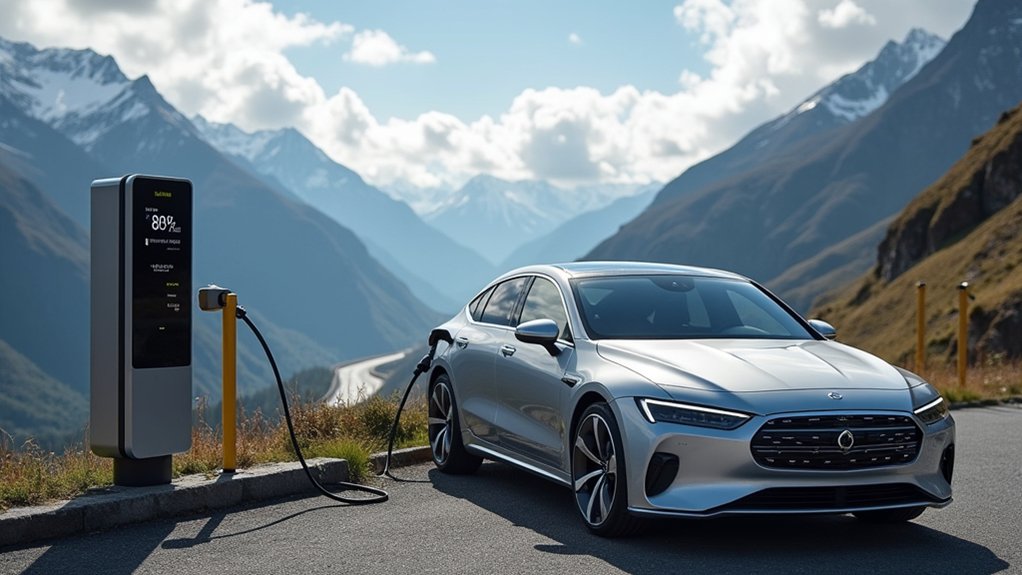
The route traverses three countries via the A7, A9, A1, and E35 highways, crossing the Alps through either the Gotthard or San Bernardino tunnels. Without charging, the journey typically requires 10-11 hours of pure driving time. The PHEV approach adds minimal delay—just 30 minutes of DC fast charging can replenish 80% of the battery capacity, suitable for a strategic lunch stop in Switzerland.
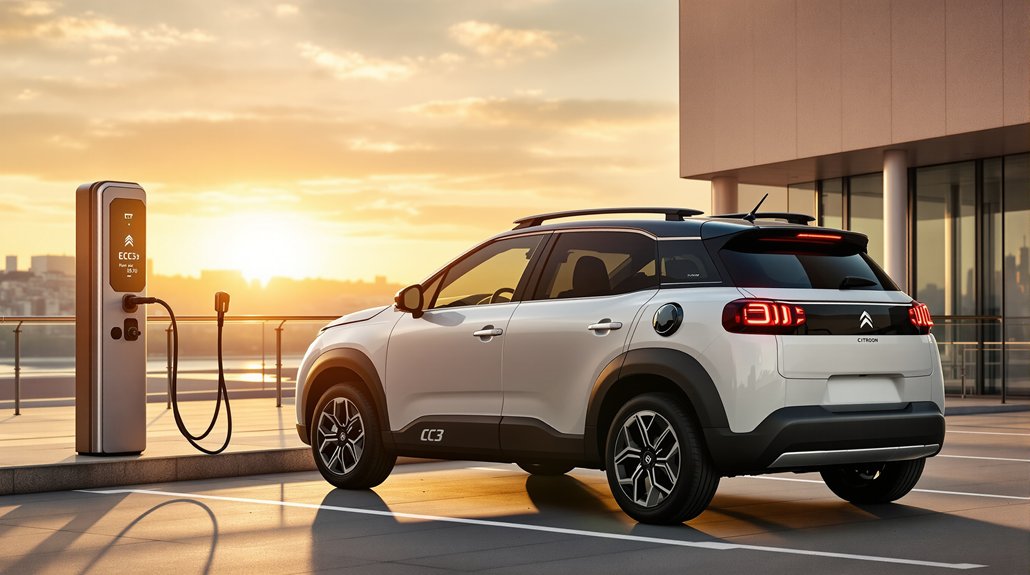
Charging infrastructure along this corridor is robust and expanding. Networks like Ionity, EnBW, and Tesla Superchargers (now available to non-Tesla vehicles) provide ample high-power charging options. Swiss highway rest areas feature over 40 fast chargers, while northern Italy’s network continues to grow impressively.
The economic advantages are notable. Total energy costs range between €80-€120 depending on driving style and traffic conditions—potentially less than conventional vehicles. PHEVs achieve remarkable efficiency ratings of 1.1-1.3 l/100km when properly utilizing both power sources.
Mercedes’ intelligent energy management systems enhance the driving experience, particularly in Alpine sections where regenerative braking captures energy during descents. Navigation systems in these vehicles recommend ideal charging points, eliminating range anxiety entirely.
For drivers seeking the perfect balance between traditional motoring convenience and eco-conscious innovation, this route demonstrates how PHEVs excel. With minimal adaptation to travel habits—essentially one 30-minute charging session—the Stuttgart-Rome journey reveals the practical side of electrified mobility that often gets overlooked in purely electric discussions. This approach aligns with current infrastructure realities, where home charging stations account for 80% of all EV charging but public options remain critical for long-distance travel.