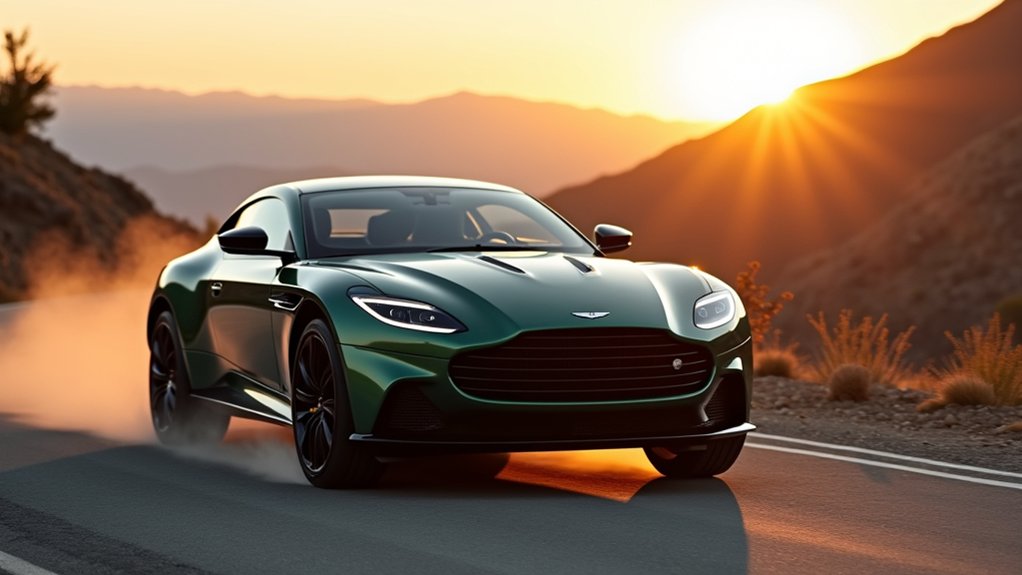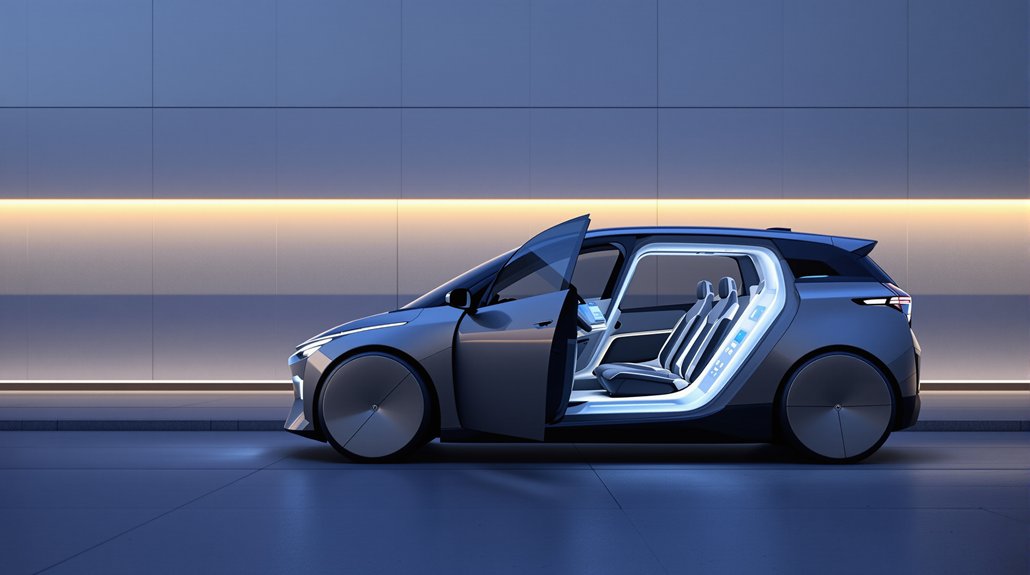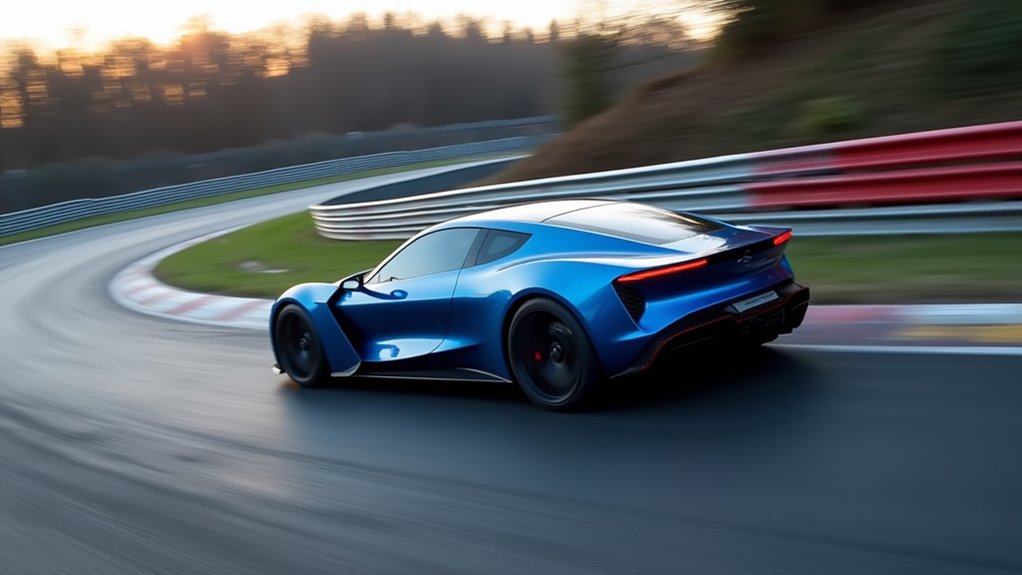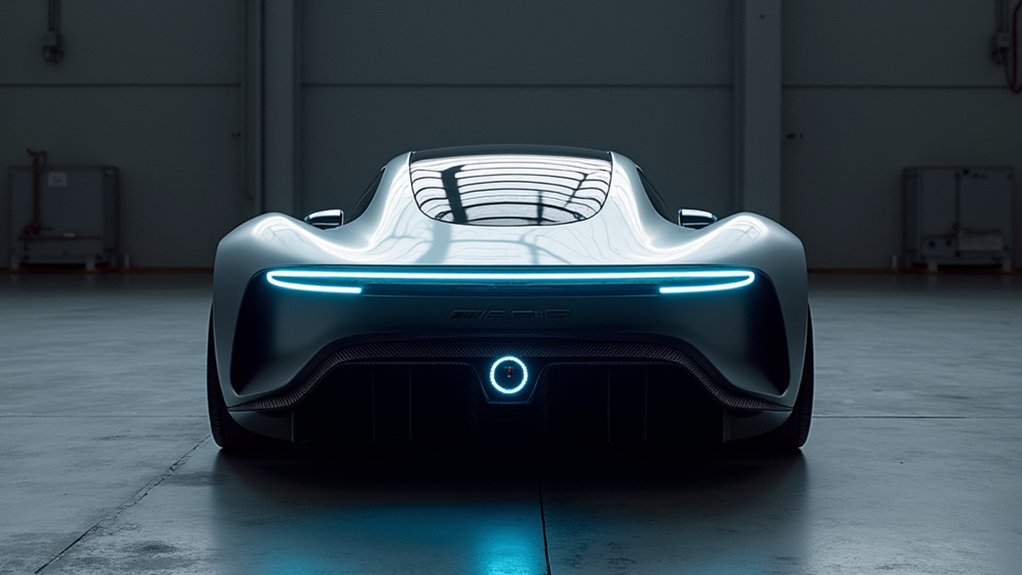
The electric revolution shifts into high gear in 2026, with automakers releasing their most ambitious battery-powered vehicles yet. Acura’s revival of the RSX nameplate signals a bold entry into the performance EV space, offering a coupe-like electric crossover built on Honda’s innovative 0-series platform.
I’m particularly impressed by its implementation of the new ASIMO operating system, which promises to elevate user connectivity beyond current industry standards. These innovations align with the global EV growth projections that show increasing consumer demand for electric vehicles. Production at Honda’s Ohio facility underscores domestic manufacturing commitment.
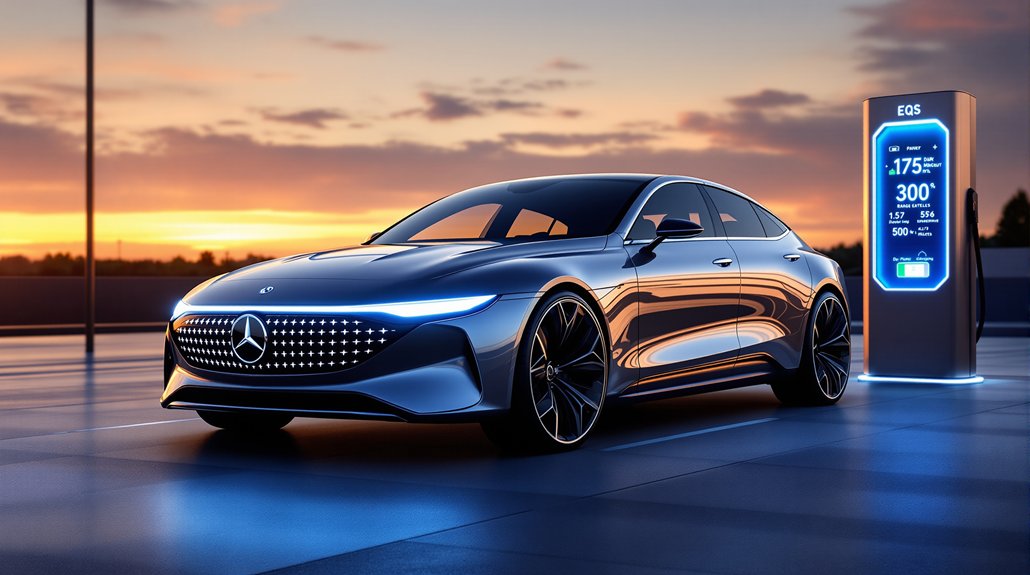
Mercedes-Benz enters the fray with its GLC EQ, showcasing next-generation battery chemistry and 800-volt architecture. The dual-motor setup delivers a substantial 483 hp while the optional dashboard-spanning touchscreen represents the pinnacle of in-cabin technology.
At $60,000-$75,000, it’s positioned for luxury buyers who demand cutting-edge features like four-wheel steering and adaptive air suspension.
Polestar’s approach with the Polestar 4 breaks conventional design rules, eliminating the rear window entirely in favor of a camera-based system. This radical choice enables a sleeker profile while maintaining visibility through a digital rearview mirror.
The 102-kWh battery powers either a 272-hp rear-drive configuration or a muscular 544-hp AWD variant.
Toyota’s bZ Series receives substantial upgrades, boosting power to 338 hp in AWD configurations while extending range to 314 miles in front-drive models. The adoption of Tesla’s NACS charging port shows Toyota’s pragmatic approach to improving customer experience.
The Afeela 1 represents perhaps the most intriguing collaboration, with Honda and Sony combining automotive expertise with entertainment technology. The sedan will feature 40 sensors throughout the vehicle that support advanced driver assistance capabilities, though initial availability is limited to California at a premium $102,900 price point.
Hyundai continues to impress with the Ioniq 6, offering remarkable efficiency (132 mpg-e) and fast-charging capability at a sub-$40,000 entry point. Cadillac is joining the luxury EV market with their Vistiq model, a spacious three-row SUV that brings elegant design alongside powerful electric performance.
The 18-minute DC fast charging and 342-mile range establish new benchmarks for affordable EVs, proving innovation isn’t confined to luxury segments.