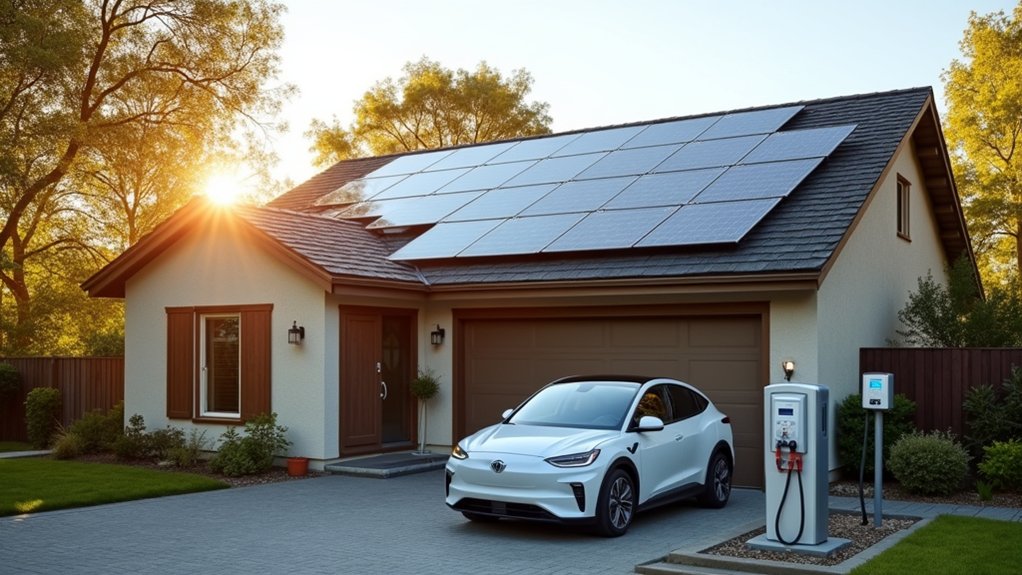
While the adoption of electric vehicles continues to accelerate across Europe, a surprising number of EV owners are inadvertently leaving money on the table by not optimizing their charging habits. Research shows over 25% of UK EV drivers—approximately 28%—routinely charge during peak hours instead of leveraging available smart tariffs, resulting in a staggering collective loss of £168.2 million annually.
The magnitude of these missed savings is substantial at the individual level. EV owners could pocket between £265 and £372 yearly simply by switching to smart tariffs, depending on their weekly charging requirements. Sam Levy, UK sales director at Easee, describes smart charging as a win-win-win scenario for consumers, the grid, and society.
EV owners could save hundreds annually by simply shifting when they charge—money literally left plugged into the wall.
Germany faces similar challenges with 30% of drivers charging during peak periods, foregoing potential collective savings of €180.9 million. Luxembourg presents an even more dramatic case with 89% of EV owners charging during peak times, missing out on approximately €400 in annual savings per driver.
Several factors contribute to this widespread oversight. Many drivers remain unaware of the financial benefits smart tariffs offer. The complexity of tariff structures often deters consumers from making the switch, while others lack access to smart charging applications that could automate the process. Drivers could maximize efficiency by focusing their charging within the 20-80% range of battery capacity. Programs like ChargeWise California have demonstrated impressive results with 98% off-peak usage, showing the potential when proper incentives and education are in place.
I’ve observed that habitual charging during convenient but costly peak periods remains a significant barrier to adoption.
Beyond individual savings, smart charging delivers substantial grid benefits. The practice helps flatten demand curves, defers expensive infrastructure upgrades, and enhances grid reliability.
Studies project $30 billion in annual avoided costs for US utilities and consumers by 2035 through optimized EV charging. Each actively managed EV saves utilities between $145–$575 annually.
The environmental impact is equally significant. Smart tariffs enable charging during periods of high renewable generation, reducing reliance on fossil fuels and accelerating decarbonization efforts.
Virtual Power Plants aggregating EVs can deliver reliable power at up to 60% lower costs compared to traditional generation methods.
Policymakers are increasingly recognizing these benefits, with many now recommending wider implementation of time-of-use tariffs and managed charging programs as regulatory priorities to capture these untapped savings.