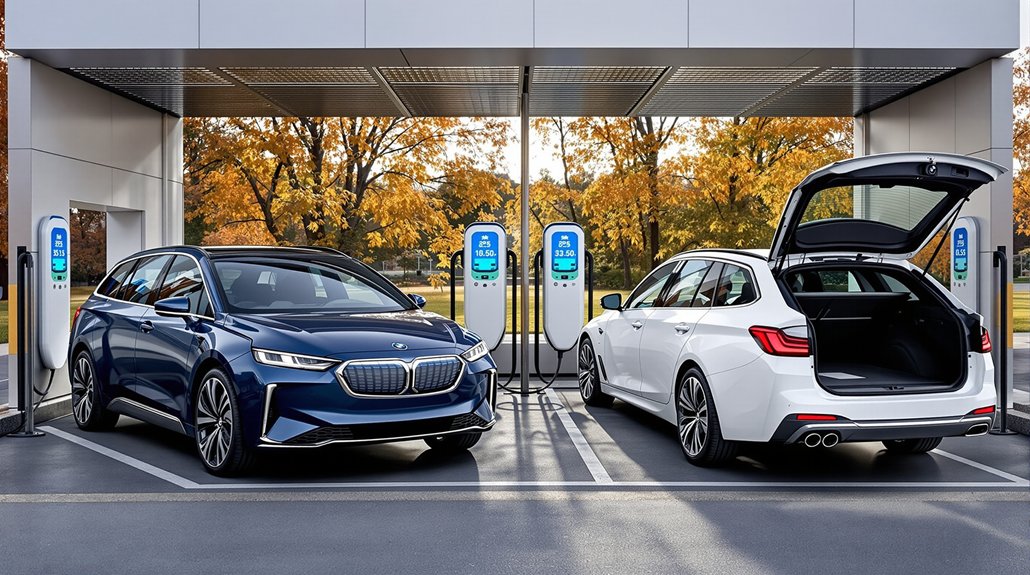
While BMW has long dominated the premium electric estate segment, the arrival of BYD’s Seal Estate presents a formidable challenge to the German manufacturer’s EV lineup. The Chinese contender offers up to 570km of WLTP range, comparing favorably with the i5 Touring’s 581km maximum. I’ve examined both vehicles extensively, and the gap in real-world range is negligible.
The pricing differential, however, is anything but negligible. Starting at $46,990 for the pure electric variant, the Seal Estate undercuts the i5 Touring’s $75,000 entry point dramatically. This value proposition extends beyond mere sticker price; BYD includes standard features that BMW relegates to costly option packages.
Performance metrics tell an equally compelling story. The AWD Seal Estate generates 390kW (523hp) and sprints to 100km/h in just 3.8 seconds, matching the more expensive BMW M60’s acceleration while offering 148hp less. The BYD’s Blade Battery technology, utilizing LFP chemistry, provides superior thermal stability and longevity compared to BMW’s NMC cells. BYD’s six-year or 93,750-mile warranty significantly exceeds the coverage provided by premium German competitors.
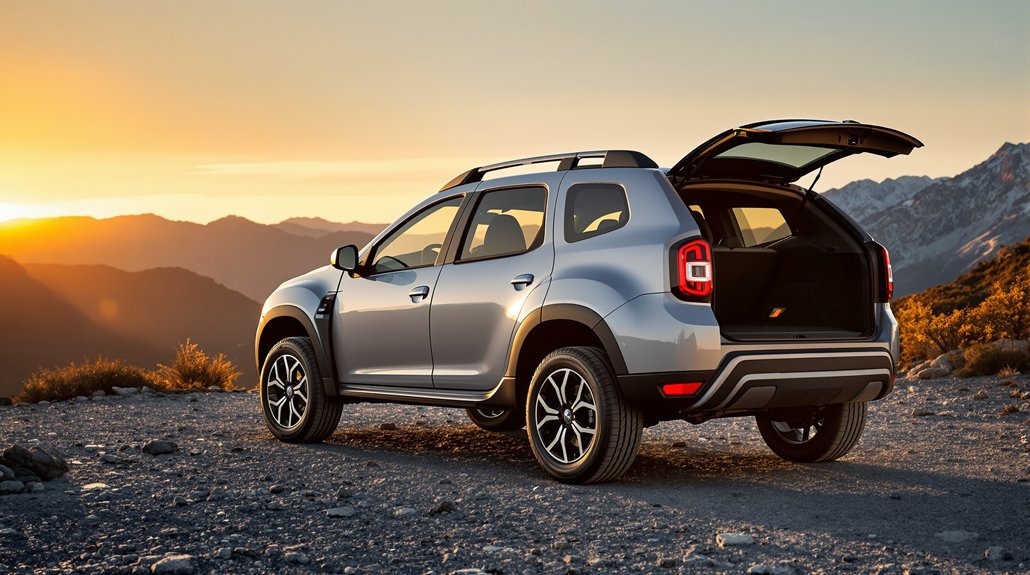
Practicality hasn’t been sacrificed for performance. The Seal Estate offers 400L of rear cargo space complemented by a 53L frunk. Its CTB (cell-to-body) structural integration yields impressive torsional rigidity of 40,500 N·m/°, enhancing both safety and handling characteristics. With its generous 2,920mm wheelbase, the Seal Estate provides superior interior space compared to similarly sized German competitors.
Technology integration impresses throughout the vehicle. The 15.6-inch rotating touchscreen offers more flexibility than BMW’s iDrive 8 system, while NVIDIA DRIVE Orin chips power advanced driver assistance comparable to BMW’s Driving Assistant Professional. The integration of bidirectional charging technology positions the Seal Estate as a potential home energy solution during peak grid demand periods.
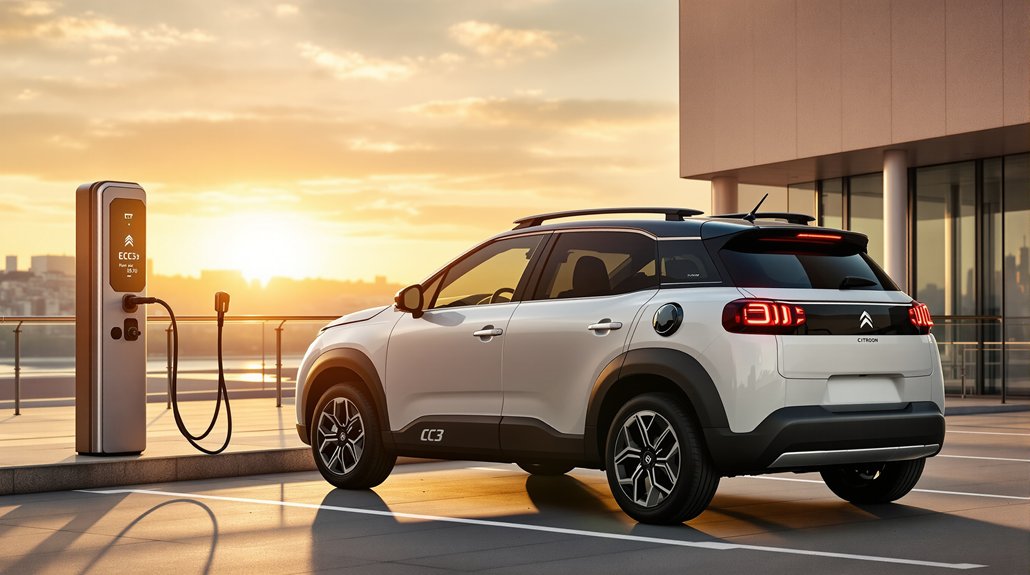
Fast charging capabilities reach 150kW, enabling 10-80% battery replenishment in 26-37 minutes. While BMW edges ahead with 205kW peak charging on select models, the practical difference in roadtrip scenarios is minimal.
For buyers seeking premium electric mobility without the premium price tag, the Seal Estate represents a watershed moment. BMW’s decades of engineering excellence now faces legitimate competition from a newcomer that has prioritized value without compromising capability.