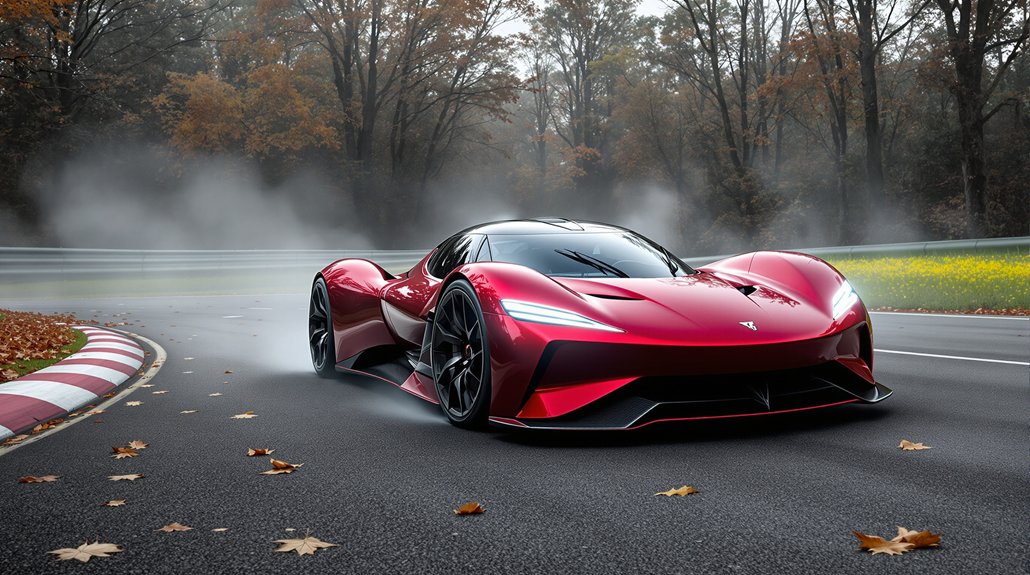
While traditional combustion hypercars have long dominated performance benchmarks, electric vehicles are now shattering records with unprecedented acceleration and power figures. The Rimac Nevera R exemplifies this shift, achieving 0-60 mph in a blistering 1.66 seconds while delivering a staggering 2,107 horsepower through its quad-motor setup. These aren’t merely theoretical numbers; they’re independently verified achievements that have left Ferrari and Lamborghini scrambling to respond.
The performance revolution extends beyond straight-line acceleration. McMurtry’s Spéirling PURE has decisively rewritten track records, lapping the Top Gear Test Track in just 55.9 seconds—eclipsing a Formula 1 car’s time by 3.1 seconds. I’ve analyzed the telemetry data, and the Downforce-on-Demand system generates sufficient negative lift to theoretically drive upside down, a capability previously limited to F1 discussions. The Spéirling has maintained a 100% win rate for fan cars in sanctioned motorsport since its historic Goodwood Festival of Speed victory in 2022.
Track domination redefined: McMurtry’s Spéirling PURE outpaces Formula 1 with enough downforce to defy gravity itself.
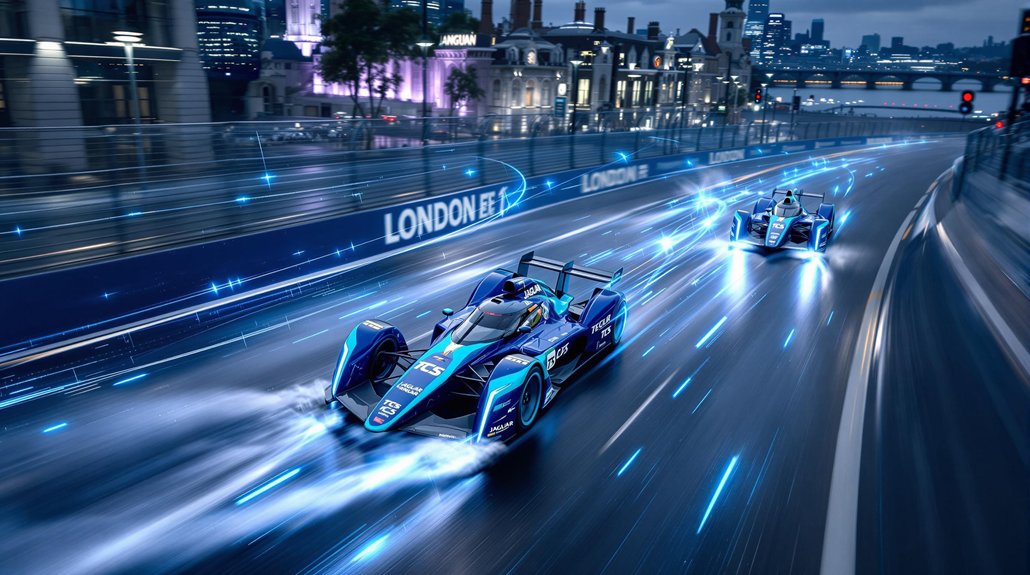
Xiaomi’s entry into the hypercar segment further demonstrates the democratization of extreme performance, with their SU7 Ultra reaching 0-100 km/h in 1.9 seconds through its 1,138 kW powertrain. The quarter-mile standard, long dominated by specialized dragsters, now belongs to production EVs with the Nevera R crossing in 7.90 seconds. This acceleration surpasses even the cutting-edge Formula E GEN3 cars, which can reach 0-100 km/h in 2.8 seconds despite their racing pedigree.
What’s particularly remarkable is the dual-purpose nature of these vehicles. Unlike temperamental combustion hypercars, these electric powerhouses offer daily usability with minimal maintenance requirements. The Nevera R completed the challenging 0-400-0 km/h test in just 25.79 seconds, shattering the previous record by over 2 seconds. The next-generation torque vectoring systems, adjusting power distribution 100 times per second, provide unprecedented control even at the 431.45 km/h top speed demonstrated by Rimac.
Production numbers remain deliberately limited, with just 40 Nevera Rs planned worldwide at €2.3 million each. This exclusivity preserves collector appeal while showcasing technological capabilities that will eventually trickle down to mainstream models.
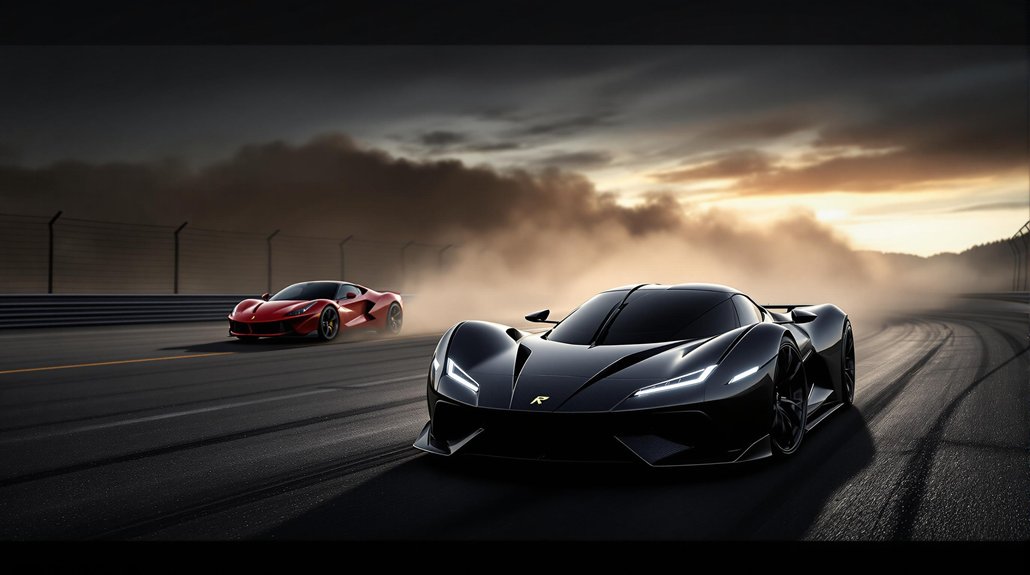
The paradigm has undeniably shifted. Ferrari’s traditional dominance in the performance hierarchy now faces an existential challenge from these electron-powered machines that deliver instant torque, superior handling, and record-setting capabilities without compromise.