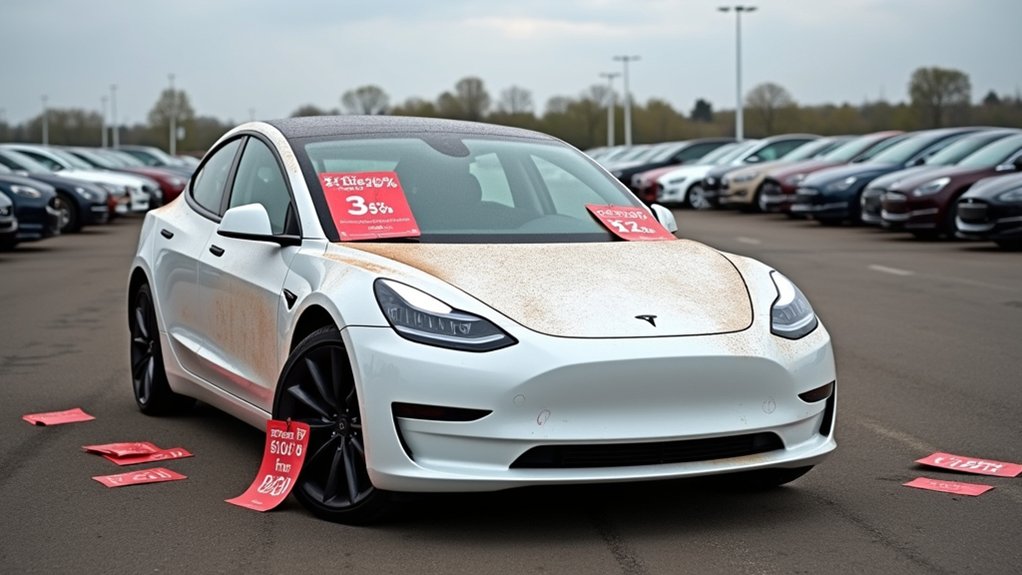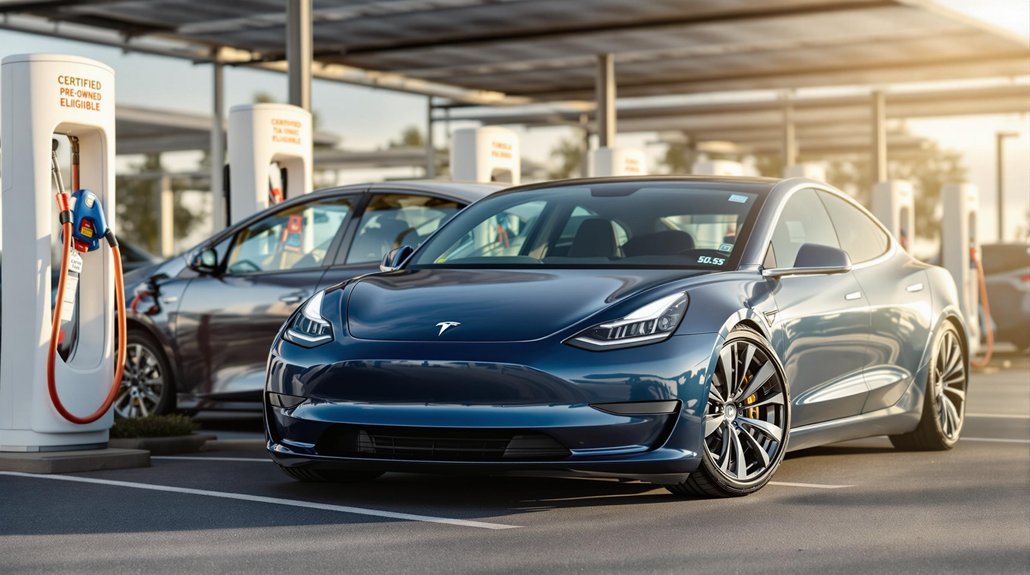

While the automotive market continues to evolve, used electric vehicles have experienced an unprecedented price decline, plummeting by over 40% from January 2022 to February 2025. This dramatic depreciation far outpaces the modest 12% drop observed in gasoline, hybrid, and plug-in hybrid vehicles during the same period. The result? Nearly half of all used EVs now retail under $25,000, creating an extraordinary value proposition for budget-conscious consumers seeking zero-emission transportation.
Luxury and premium brand EVs demonstrate even more precipitous value erosion, with models from Audi, Mercedes, and Porsche losing up to two-thirds of their original MSRP within just three years. This accelerated depreciation stems from rapid technological advancements and aggressive production schedules that render previous generations seemingly obsolete. Used EVs often have considerably lower mileage than comparable internal combustion vehicles due to range limitations and charging patterns. I’ve observed this phenomenon consistently across dealership networks nationwide.
Hybrid vehicles, by comparison, maintain considerably better residual values. Their depreciation curve resembles traditional ICE vehicles more closely than pure EVs, making them a more conservative investment for the risk-averse buyer. The proven reliability of hybrid powertrains, particularly from established manufacturers like Toyota and Honda, contributes greatly to their value retention.
The federal tax credit of up to $4,000 for qualifying used EVs further enhances their appeal, effectively lowering acquisition costs below comparable ICE vehicles in many cases. This incentive, combined with minimal maintenance requirements—no oil changes, simpler cooling systems, fewer moving parts—creates a compelling total cost of ownership calculation that many buyers overlook during initial price comparisons. Additionally, consumers can take advantage of state-level programs that offer supplemental rebates in places like California, Colorado, and New York, further reducing the overall cost.
Inventory dynamics have shifted remarkably as well, with the Tesla Model 3 and Model Y dominating the used EV landscape. The significant 62.6% increase in used EV sales in Q4 2024 compared to 2023 reflects growing consumer confidence in these vehicles. Recent entrants like the Ford F-150 Lightning and Rivian R1T are gradually appearing in the secondary market, expanding options beyond sedans and compact SUVs.
For the pragmatic consumer, today’s used EV market offers unprecedented value. The combination of steep depreciation, government incentives, and reduced operational costs creates a market anomaly unlikely to persist as EV adoption accelerates. The seemingly higher upfront cost often masks substantial long-term savings that make these vehicles considerably more economical than they initially appear.